Enter a keyword below to search for articles and products.
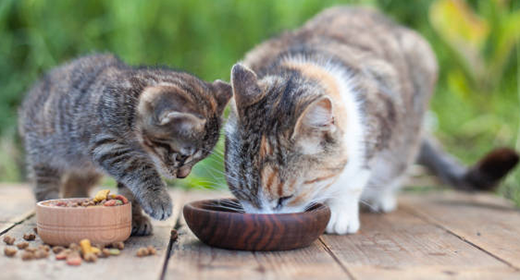
Pregnancy and nursing are responsible for many changes in a cat's lifestyle, as well as in her body. You should pay special attention to your cat’s changing nutritional needs throughout the entire reproduction process.
If you are planning to breed your female cat, it is important to assess her body condition well in advance. Because of the physical demands of pregnancy and nursing, starting off with less-than-ideal health can cause problems.
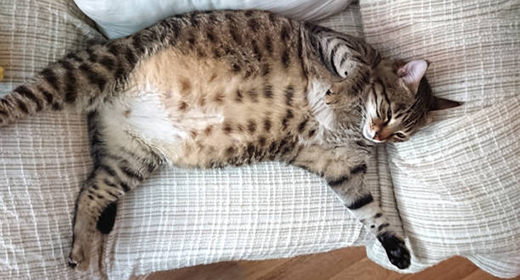
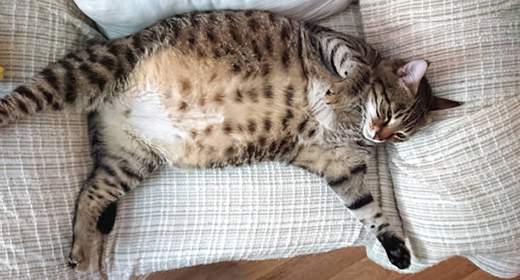
An underweight cat often can't consume enough food to support her and the developing kittens. Overweight cats may experience abnormal or difficult labor because of large fetuses.
A complete and balanced diet that supports a healthy weight and body condition before breeding helps the female cat maintain her health, and that of her offspring, throughout pregnancy and nursing.
The gestation period for cats is nine weeks. Pregnant cats, like humans, gain weight gradually throughout pregnancy. The energy requirements of pregnant cats are reflected by their weight gain. The energy needs of a pregnant cat should gradually increase so that, by the end of pregnancy, the cat is consuming 25% to 50% more than her normal amount of calories.
Pregnant cats lose weight after giving birth. However, their nutritional needs increase dramatically. Energy needs can be two to three times normal, depending on litter size, in order to produce the milk supply that will support the offspring. Water intake is also important for milk volume.
To ensure a nursing cat is getting enough nutrition, give her a nutrient-dense diet, such as kitten food. Without increasing the amount of food at each meal, increase the number of meals in the day. Free-choice feed her, offering unlimited access to dry food.
By 5 weeks, most kittens show an interest in their mother's food. Gradually, the kittens will begin eating solid food and nursing less. At the same time, the nursing cat will usually start eating less. Most kittens are completely weaned by eight weeks after birth. By this time, the mother's energy requirement is back to normal and she should be eating her usual pre-pregnancy diet.


Thinking about getting another cat? Of course you are — they’re the best. Adding a second cat (or third … or fourth …) to your home can be exciting, but there’s a lot to consider before introducing another cat into the mix.
When it comes to cats, the more, the merrier, right? Well, sometimes. Some cats thrive with a playmate or two, while others are more content solo. Personality and age are two factors to consider before bringing home another cat.
It’s important to understand your cat’s temperament when thinking about adding another cat to the mix. It’s just like dating: Compatibility is crucial. Is your pet energetic and playful? Shy and gentle? A couch potato probably isn’t the best match for a marathon runner. Your best bet is to look for a cat with a similar energy level and personality. Not sure about your cat’s vibe? Read more about cat temperament here.
Similar to temperament compatibility, age is also an important factor. Your greatest chance for success is to introduce a new cat into your household when your current cat is still a youngster. If you have an older cat who’s been master of their domain for a long time (read as: cranky), they’re more likely to become territorial and hostile toward the new addition. That’s not to say it can’t be done; the introduction will just need to be handled more delicately than when introducing two younger cats or kittens.
So you’ve found a new cat you can’t wait to bring home to your growing fur family. While it may be tempting to simply put all cats in a room and let them work out the introductions, this can cause a lot of stress for new and resident cats alike. Here are a few ways to help the introduction go smoothly.
Double the cats means double the supplies needed. Before you bring your new addition home, make sure you have plenty of toys, scratching posts and lounging spots so territorial standoffs are less likely. The rule of thumb is to have one more litter box than you do cats, so if you’re becoming a two-cat household, you’ll want to have three litter boxes. You’ll also need double the food, so consider buying in bulk so you can spend less time making trips to the store and more time snapping pics of your adorable new addition.
Give your new kitty a space of their own with a door that can be shut before doing a formal introduction with the existing cat. This will give both cats a chance to adjust to the other’s smell. Once you’re ready to have their official meeting, keep the initial interactions short and well supervised. If things start to feel tense, separate the cats and give them a chance to settle down before trying again. Don’t be discouraged; they’ll come around.
Adding another cat to your household is not without challenges, but it will ultimately bring immense joy to you and your family — and hopefully to your current cat. Or maybe we just shoot for indifference. Now what are you waiting for? Head to your local shelter today!