Enter a keyword below to search for articles and products.
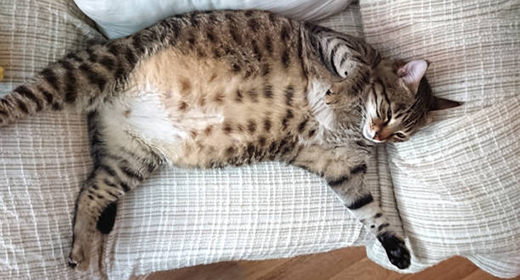
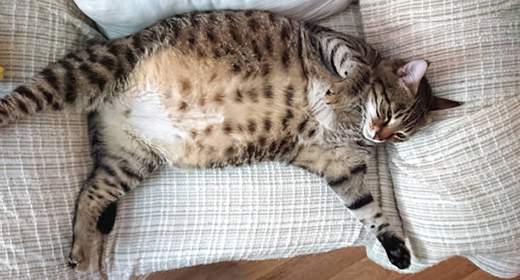
Pregnancy and nursing are responsible for many changes in a cat's lifestyle, as well as in her body. You should pay special attention to your cat’s changing nutritional needs throughout the entire reproduction process.
If you are planning to breed your female cat, it is important to assess her body condition well in advance. Because of the physical demands of pregnancy and nursing, starting off with less-than-ideal health can cause problems.
An underweight cat often can't consume enough food to support her and the developing kittens. Overweight cats may experience abnormal or difficult labor because of large fetuses.
A complete and balanced diet that supports a healthy weight and body condition before breeding helps the female cat maintain her health, and that of her offspring, throughout pregnancy and nursing.
The gestation period for cats is nine weeks. Pregnant cats, like humans, gain weight gradually throughout pregnancy. The energy requirements of pregnant cats are reflected by their weight gain. The energy needs of a pregnant cat should gradually increase so that, by the end of pregnancy, the cat is consuming 25% to 50% more than her normal amount of calories.
Pregnant cats lose weight after giving birth. However, their nutritional needs increase dramatically. Energy needs can be two to three times normal, depending on litter size, in order to produce the milk supply that will support the offspring. Water intake is also important for milk volume.
To ensure a nursing cat is getting enough nutrition, give her a nutrient-dense diet, such as kitten food. Without increasing the amount of food at each meal, increase the number of meals in the day. Free-choice feed her, offering unlimited access to dry food.
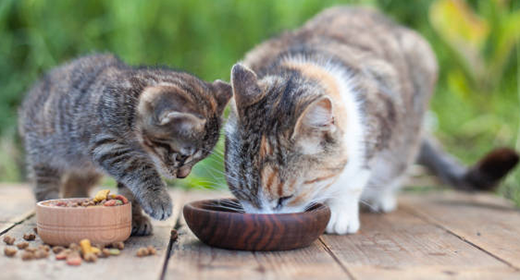
By 5 weeks, most kittens show an interest in their mother's food. Gradually, the kittens will begin eating solid food and nursing less. At the same time, the nursing cat will usually start eating less. Most kittens are completely weaned by eight weeks after birth. By this time, the mother's energy requirement is back to normal and she should be eating her usual pre-pregnancy diet.
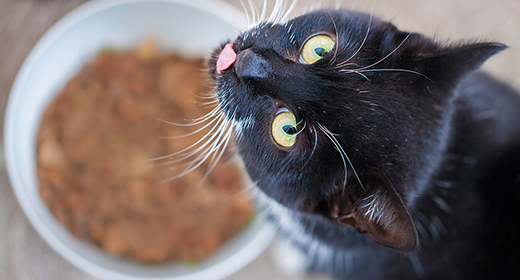
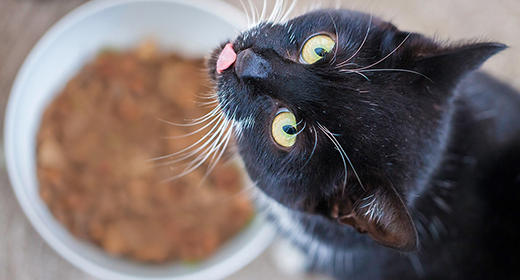
Okay, we admit it: We’re kind of obsessed with cat food. And while we’ve done tons of research to create the world’s best single-serving menu items, all it really took was observing the obvious. Here are five basic facts about cat food you didn’t know you already knew.
We presented a neighbor’s 12-year-old tabby with both a Perfect Portions™ fresh salmon meal and yesterday’s salmon leftovers from a can. Guess what happened? She sniffed us out and chose fresh. Is it because her sense of smell is more powerful than a human’s? Or was it completely obvious that the leftovers had mixed with the scent of the blue cheese and pea soup sitting next to the can in the fridge?
How would you like to have tuna salad for lunch? And then for dinner? And then for breakfast? Don’t assume your cat doesn’t mind just because her taste buds are different — feeling superior is a cat’s job. Your job is to give them variety, which is hard when you have leftovers coming out of your ears. Try a multipack of Perfect Portions™ for the ultimate in no-leftovers variety.
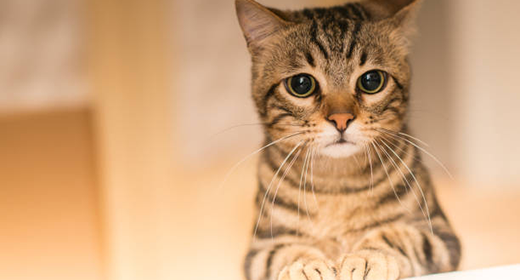
Why your cat judges you
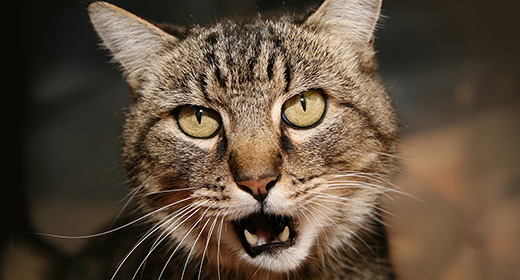
A focus group of four people at a recent dinner party revealed that opened cat food smells less than good. It’s especially embarrassing if you're the host and the smell keeps wafting over your mashed potatoes.
What cat food smells like when it's left over in your fridge
Canned food has been around for more than 100 years, so it seemed high time for a design update. When we reimagined canned cat food, we decided to get rid of the can altogether in favor of Perfect Portions™, with no-mess, no hassle containers. The results have been, uh, uncanny. Everyone agrees we should can the can. For good.
With food this good, lunchtime for cats can be just as tempting as Thanksgiving dinner for humans. Cats can have problems maintaining a healthy diet — and sticking to healthy portions — just like we do. It’s why we’ve taken the guesswork out of meals with Perfect Portions™. Each pack contains just enough (and not too much) every time. So don’t be fooled by cat food cans with 1½ servings. Unless you plan on training your cat to use the treadmill.
Cats after mealtime on regular canned food