Enter a keyword below to search for articles and products.
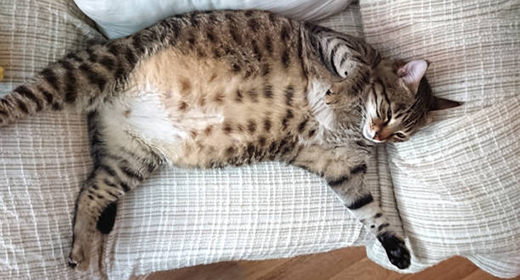
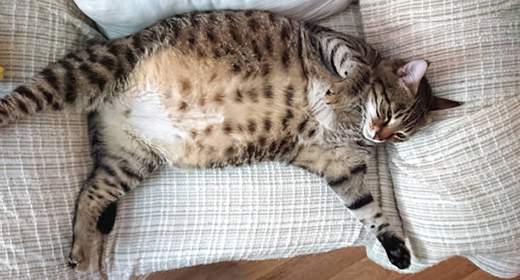
Pregnancy and nursing are responsible for many changes in a cat's lifestyle, as well as in her body. You should pay special attention to your cat’s changing nutritional needs throughout the entire reproduction process.
If you are planning to breed your female cat, it is important to assess her body condition well in advance. Because of the physical demands of pregnancy and nursing, starting off with less-than-ideal health can cause problems.
An underweight cat often can't consume enough food to support her and the developing kittens. Overweight cats may experience abnormal or difficult labor because of large fetuses.
A complete and balanced diet that supports a healthy weight and body condition before breeding helps the female cat maintain her health, and that of her offspring, throughout pregnancy and nursing.
The gestation period for cats is nine weeks. Pregnant cats, like humans, gain weight gradually throughout pregnancy. The energy requirements of pregnant cats are reflected by their weight gain. The energy needs of a pregnant cat should gradually increase so that, by the end of pregnancy, the cat is consuming 25% to 50% more than her normal amount of calories.
Pregnant cats lose weight after giving birth. However, their nutritional needs increase dramatically. Energy needs can be two to three times normal, depending on litter size, in order to produce the milk supply that will support the offspring. Water intake is also important for milk volume.
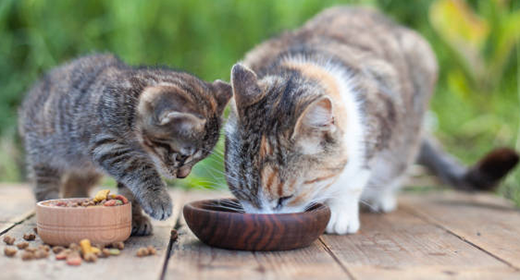
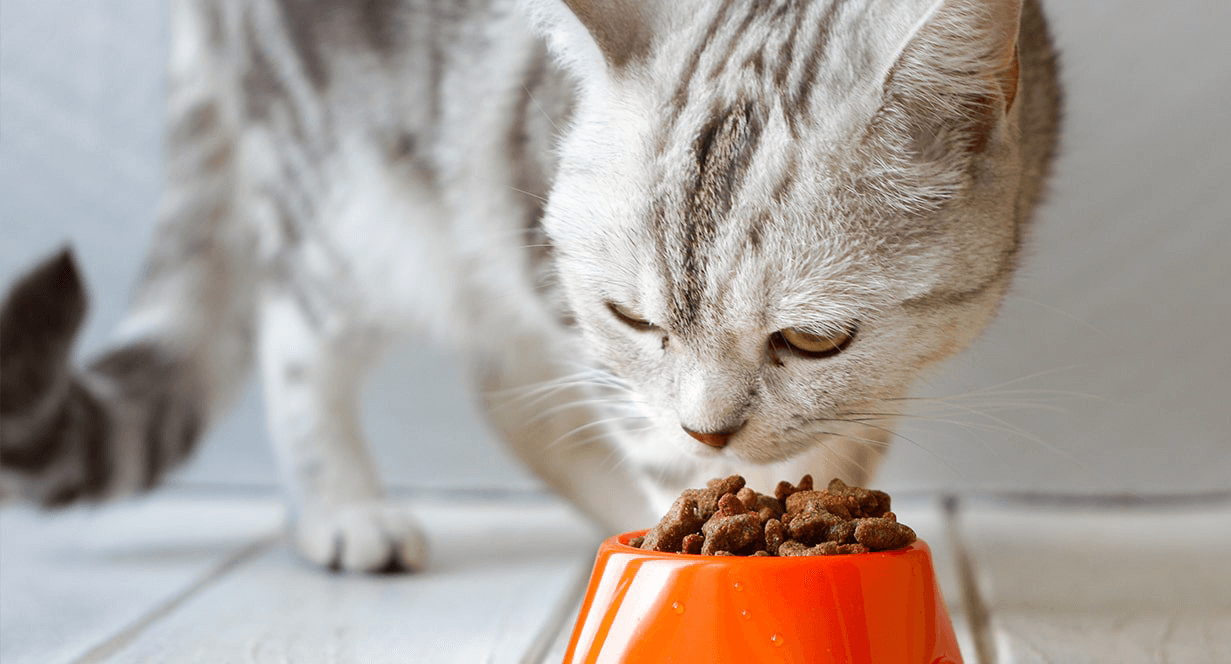
To ensure a nursing cat is getting enough nutrition, give her a nutrient-dense diet, such as kitten food. Without increasing the amount of food at each meal, increase the number of meals in the day. Free-choice feed her, offering unlimited access to dry food.
By 5 weeks, most kittens show an interest in their mother's food. Gradually, the kittens will begin eating solid food and nursing less. At the same time, the nursing cat will usually start eating less. Most kittens are completely weaned by eight weeks after birth. By this time, the mother's energy requirement is back to normal and she should be eating her usual pre-pregnancy diet.
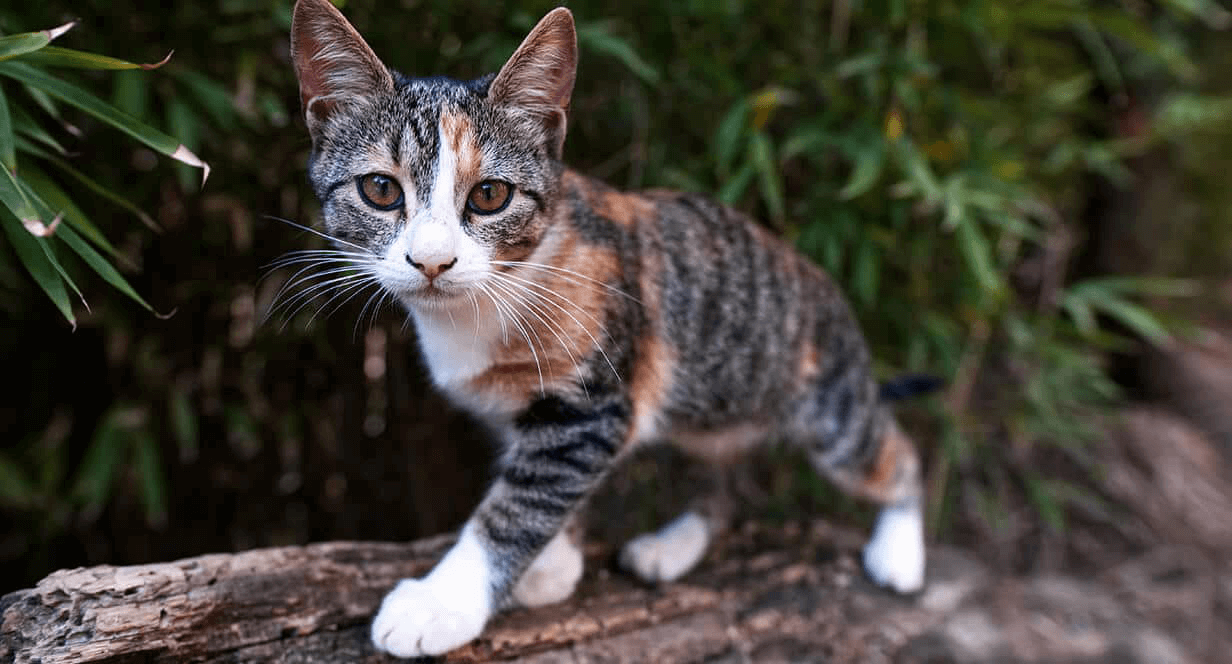
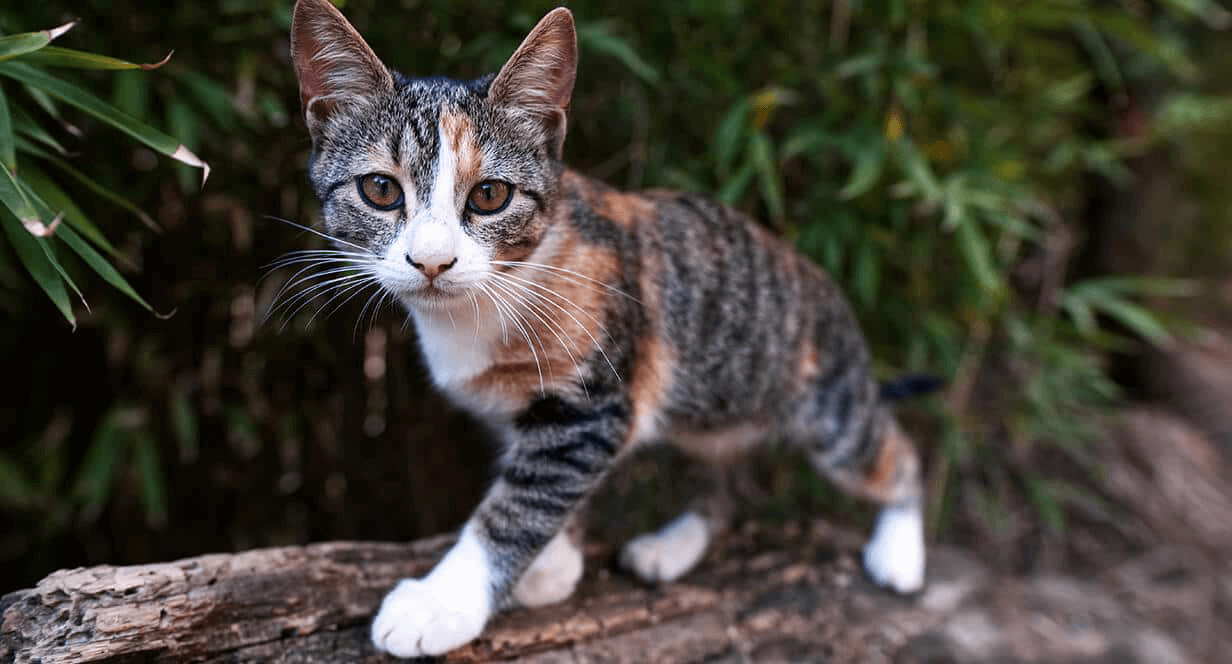
Is anything cuter than an adorable kitten with a gorgeous, healthy coat? We don’t think so. That’s why we include fish oil in IAMS™ dry kitten food to help promote healthy skin and a healthy coat for your furry bundle of joy.
Let’s dive deeper into fish oil and meal, what it does, how it can help your kitten and why it’s an important component in all IAMS™ dry kitten foods.
Let’s dive deeper into fish oil and meal, what it does, how it can help your kitten and why it’s an important component in all IAMS™ dry kitten foods.
You guessed it: Fish oil is fat or oil extracted from fish. Fish meal, which is used in IAMS™ dry kitten foods, is a good source of natural fish oil — which is a high-quality source of omega-3 fatty acids.
Now, time for a science lesson! Fatty acids, a smaller component of fat, are critical for many kitten body functions. Omega-3 fatty acids are a type of fatty acid with important nutritional value for kittens. Fish oil from deep, cold-water fish contains omega-3 fatty acids including eicosapentaenoic acid (EPA) and docosahexaenoic acid (DHA).
When a kitten eats food with fatty acids, the fatty acids are incorporated into their tissues, including the skin. (Turns out you really are what you eat!) Omega-3 fatty acids produce substances that promote healthy skin conditions, especially when balanced with omega-6 fatty acids (found in common kitten food ingredients such as chicken fat and corn oil).
So what does all this mean for your kitten? Feeding a complete and balanced diet with a balanced ratio of omega-6 and omega-3 fatty acids is proven to promote healthy skin and a shiny coat in cats1. Studies reveal that when fed fish oil, cats show:
DHA from fish oil has also been shown to promote healthy brain and vision development in kittens — important for all the hours of play and nighttime zoomies your kitten will experience in their lifetime.
All IAMS™ dry kitten foods, such as IAMS™ ProActive Health™ Mother And Kitten, are formulated with fish oil and an optimal ratio of omega-3 and omega-6 fatty acids. Proper nutrition as a kitten can help support your kitten’s soft and shiny coat now — and for all the years to come.
1 Data on file, The IAMS™ Company, 2000.