Enter a keyword below to search for articles and products.
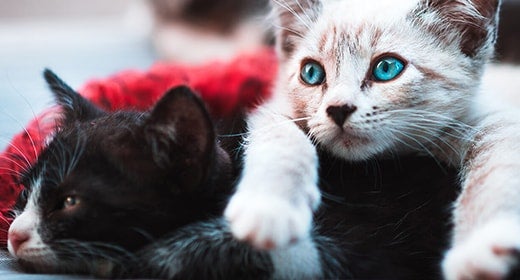
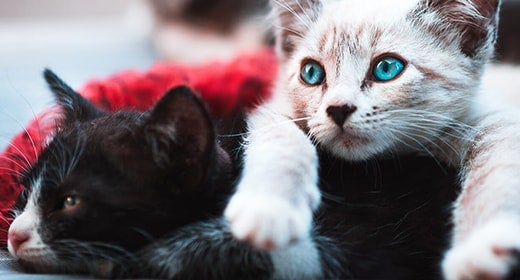
Taurine is an important component found in all IAMS™ kitten foods. This essential amino acid is critical for normal heart muscle function, vision and reproduction in kittens. It is also needed to form the bile salts that aid in digestion. Unlike other amino acids, taurine is found as a free amino acid in body tissues, such as the heart and eyes, and is not incorporated into proteins.
Most mammals manufacture taurine from other amino acids. However, kittens cannot manufacture a sufficient amount and therefore must acquire enough additional taurine through diet to meet their needs. In pet food, taurine is naturally found in animal-based protein ingredients and also can be added separately.
IAMS kitten foods are formulated with high-quality animal-based proteins as their primary ingredient. In addition, they are supplemented with extra taurine.
IAMS dry kitten foods, such as IAMS™ Proactive Health™ Mother and Kitten includes taurine as an ingredient to supplement the primary source of this amino acid, which is animal-based protein from sources such as chicken, egg, lamb and fish. However, these sources can vary in their taurine content, and adding more taurine is a sound approach to ensure optimal taurine levels.
Kittens that eat a diet deficient in taurine can develop several serious health conditions.
Taurine is essential to the proper development and function of cells in the retina of the eye. If insufficient taurine is present, the retinal cells don’t function properly and may die, eventually causing impaired vision and even blindness. This process is referred to as feline central retinal degeneration.
Taurine is also necessary for normal function of the heart muscle cells. Taurine deficiency leads to a weakening of the heart muscle, which, in turn, can lead to heart failure. This condition is known as dilated cardiomyopathy and can be fatal.
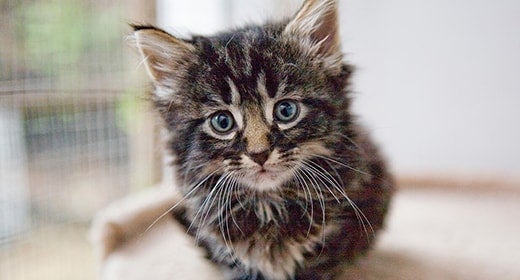
To help protect your kitten’s health, both now and when she is fully grown, make sure to feed a diet with sufficient taurine. Learn more about the nutritional needs of kittens.
Case L, et al. Canine and Feline Nutrition. 3rd ed. Maryland Heights, MO: Mosby Elsevier, 2011.
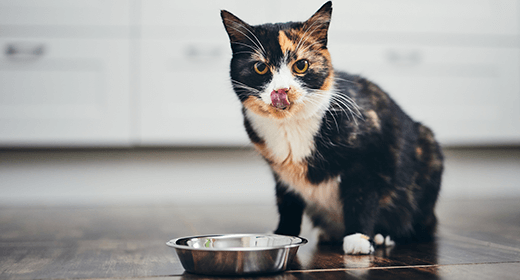
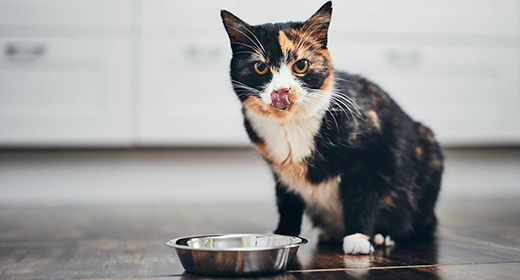
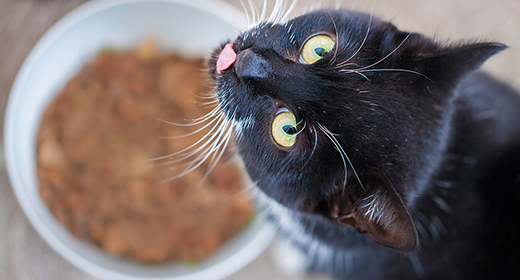
Cats are known for being a bit choosey about what they will and won’t do. And a little pickiness is fine when it comes to picking out toys and napping spots! But if your cat is or becomes extra-selective about what they’ll eat, it’s time to pay attention and perhaps talk to your vet. You and your vet know your cat best, so it’s always worth checking in if you think your cat isn’t eating enough and want their professional advice.
Start by paying close attention to what your cat is eating and how they behave. This information will help you, your household and your vet work together to make sure your cat is living and eating well.
Is your cat begging for table scraps or holding out on eating until you offer treats? Extras like these can be very disruptive to your cat’s appetite and diet. Think about them like snacks or desserts for you — tasty cravings that are easy to fill up on. A small portion may not seem like much, but it can make a big different for a cat-sized digestive system!
Try dialing back how much you treat your cat to tasty extras and see if their interest in the food bowl starts to return. Remember, it’s generally all right for cats to skip a few meals, but if they haven’t eaten for 24-36 hours it’s time to call the vet (even if they’ve continued drinking water).
Humans often crave variety in their meals, but for cats, routine is king. It’s not likely they’d avoid their regular food out of boredom with it, but if you’ve recently changed the kind of food, the number of feedings or the times you feed your cat, they may be avoiding eating as a response.
It's a good idea to change your cat’s diet gradually (unless your vet advises otherwise). Pickiness can often be resolved by helping your cat adjust and get comfortable with their updated diet!
If your cat starts eating less, you may want to look for factors that could be causing stress. Seemingly unrelated changes to their environment can shift your cat’s stress levels enough to impact their interest in food. Has another animal or person joined or left the household? Has your cat been adapting to new surroundings due to a move or renovation? As the stress of that change begins to subside, your cat will probably go back to a normal diet.
Talk to your vet about good ideas for reducing your cat’s stress levels and share any concerns you have about their diet then too. You’re both on the same team, so work together to help your cat feel better!