Enter a keyword below to search for articles and products.
Taurine is an important component found in all IAMS™ kitten foods. This essential amino acid is critical for normal heart muscle function, vision and reproduction in kittens. It is also needed to form the bile salts that aid in digestion. Unlike other amino acids, taurine is found as a free amino acid in body tissues, such as the heart and eyes, and is not incorporated into proteins.
Most mammals manufacture taurine from other amino acids. However, kittens cannot manufacture a sufficient amount and therefore must acquire enough additional taurine through diet to meet their needs. In pet food, taurine is naturally found in animal-based protein ingredients and also can be added separately.
IAMS kitten foods are formulated with high-quality animal-based proteins as their primary ingredient. In addition, they are supplemented with extra taurine.
IAMS dry kitten foods, such as IAMS™ Proactive Health™ Mother and Kitten includes taurine as an ingredient to supplement the primary source of this amino acid, which is animal-based protein from sources such as chicken, egg, lamb and fish. However, these sources can vary in their taurine content, and adding more taurine is a sound approach to ensure optimal taurine levels.
Kittens that eat a diet deficient in taurine can develop several serious health conditions.
Taurine is essential to the proper development and function of cells in the retina of the eye. If insufficient taurine is present, the retinal cells don’t function properly and may die, eventually causing impaired vision and even blindness. This process is referred to as feline central retinal degeneration.
Taurine is also necessary for normal function of the heart muscle cells. Taurine deficiency leads to a weakening of the heart muscle, which, in turn, can lead to heart failure. This condition is known as dilated cardiomyopathy and can be fatal.
To help protect your kitten’s health, both now and when she is fully grown, make sure to feed a diet with sufficient taurine. Learn more about the nutritional needs of kittens.
Case L, et al. Canine and Feline Nutrition. 3rd ed. Maryland Heights, MO: Mosby Elsevier, 2011.
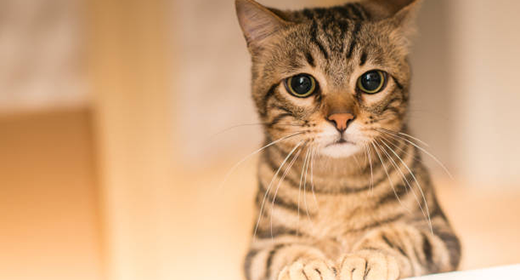
Our cat food products contain animal-based proteins that provide all the essential amino acid requirements for cats. In addition, special refining and quality assurance tests ensure that we only use high-quality, highly digestible protein sources for increased digestibility.
Cats, best fed as true carnivores, require essential nutrients that aren't found in plant proteins such as soybean meal. For example, cats require taurine, which can only be found in animal-based proteins.
There are two important types of fatty acids for cats, omega-6 and omega-3 fatty acids. Omega-6 fatty acids, found in chicken fat and corn, are essential for maintenance of skin and coat and proper membrane structure. Omega-3 fatty acids are found in ingredients such as canola, fish meal or fish oil, and flax. Omega-3 fatty acids have been shown to be important in blood clotting and in managing inflammation, among other things. All of our products contain sources of omega-6 and omega-3 fatty acids.
IAMS™ research has shown that including omega-6 and omega-3 fatty acids in a ratio between 5:1 to 10:1 provides for optimal skin and coat condition in dogs. All of our products contain an adjusted omega-6:omega-3 fatty acid ratio between 5:1 to 10:1.
IAMS research has shown that moderately fermentable fiber, such as beet pulp, enhances intestinal health. The fermentable part of the fiber is broken down by intestinal bacteria to provide short-chain fatty acids, an energy source for intestinal cells. The non-fermentable component provides bulk for normal feces.
Using only highly fermentable fibers can cause problems, such as excess gas, while using only non-fermentable fibers, such as peanut hulls, promotes excess stool volume, because they are of no nutritional value.
All of our products, including IAMS ProActive Health™ Adult Original with Chicken, contain a patented fiber system of moderately fermentable fiber to help keep dogs’ and cats’ digestive systems healthy.