Enter a keyword below to search for articles and products.
Taurine is an important component found in all IAMS™ kitten foods. This essential amino acid is critical for normal heart muscle function, vision and reproduction in kittens. It is also needed to form the bile salts that aid in digestion. Unlike other amino acids, taurine is found as a free amino acid in body tissues, such as the heart and eyes, and is not incorporated into proteins.
Most mammals manufacture taurine from other amino acids. However, kittens cannot manufacture a sufficient amount and therefore must acquire enough additional taurine through diet to meet their needs. In pet food, taurine is naturally found in animal-based protein ingredients and also can be added separately.
IAMS kitten foods are formulated with high-quality animal-based proteins as their primary ingredient. In addition, they are supplemented with extra taurine.
IAMS dry kitten foods, such as IAMS™ Proactive Health™ Mother and Kitten includes taurine as an ingredient to supplement the primary source of this amino acid, which is animal-based protein from sources such as chicken, egg, lamb and fish. However, these sources can vary in their taurine content, and adding more taurine is a sound approach to ensure optimal taurine levels.
Kittens that eat a diet deficient in taurine can develop several serious health conditions.
Taurine is essential to the proper development and function of cells in the retina of the eye. If insufficient taurine is present, the retinal cells don’t function properly and may die, eventually causing impaired vision and even blindness. This process is referred to as feline central retinal degeneration.
Taurine is also necessary for normal function of the heart muscle cells. Taurine deficiency leads to a weakening of the heart muscle, which, in turn, can lead to heart failure. This condition is known as dilated cardiomyopathy and can be fatal.
To help protect your kitten’s health, both now and when she is fully grown, make sure to feed a diet with sufficient taurine. Learn more about the nutritional needs of kittens.
Case L, et al. Canine and Feline Nutrition. 3rd ed. Maryland Heights, MO: Mosby Elsevier, 2011.
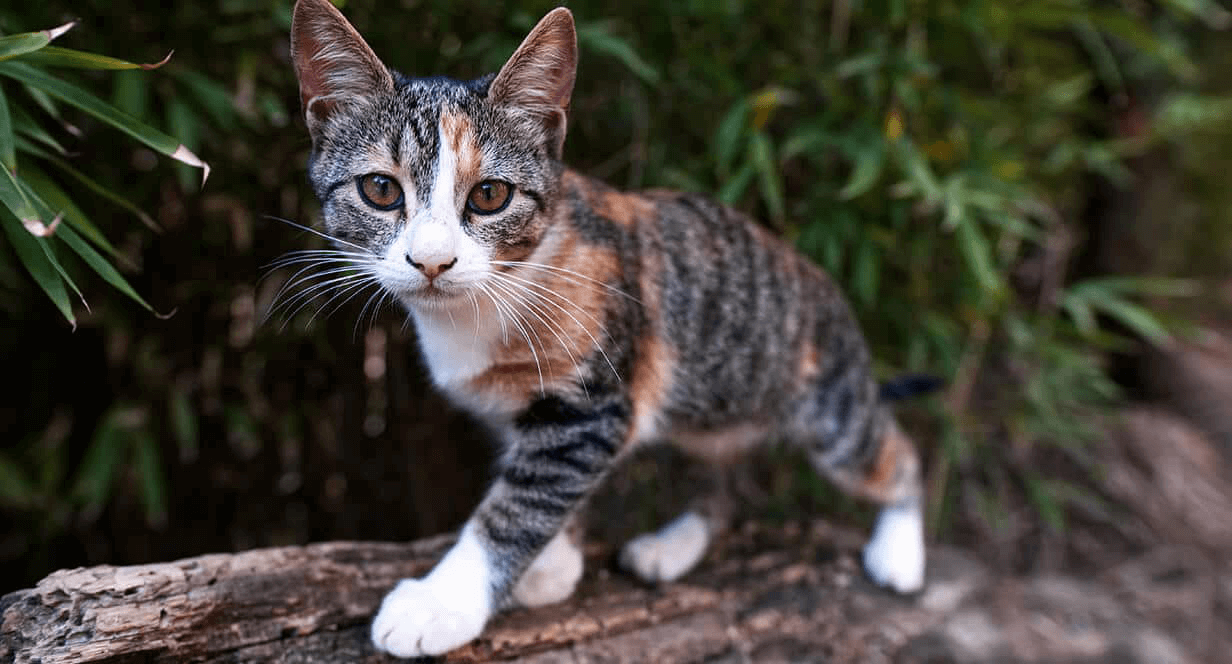
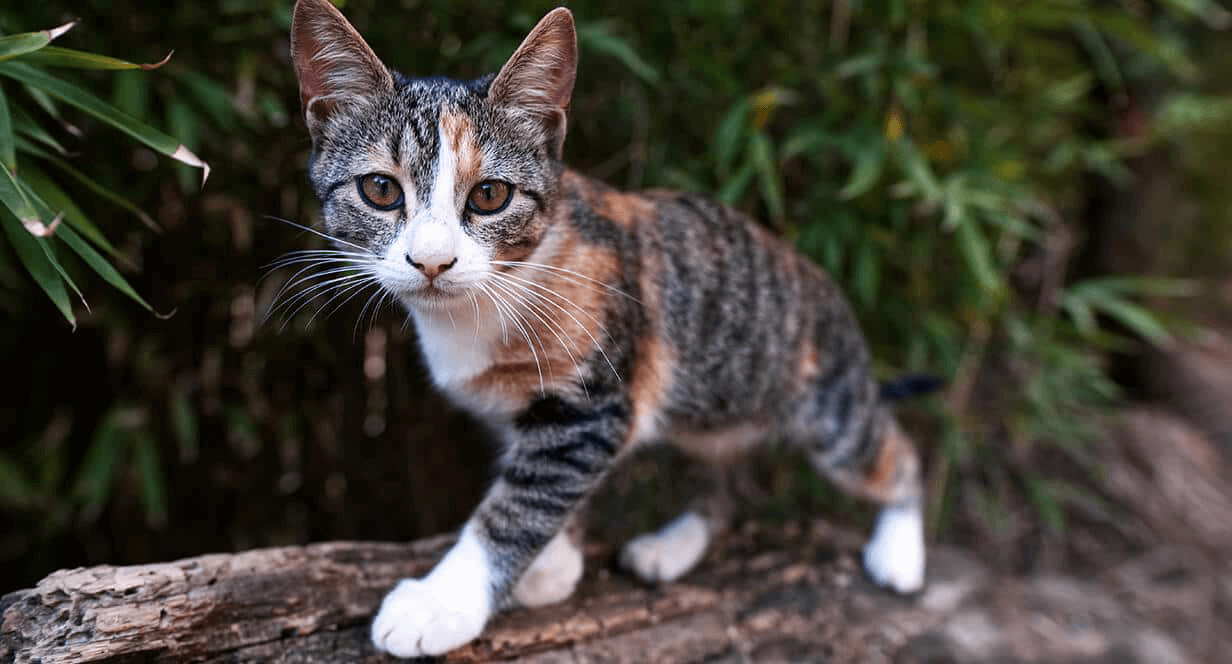
Is anything cuter than an adorable kitten with a gorgeous, healthy coat? We don’t think so. That’s why we include fish oil in IAMS™ dry kitten food to help promote healthy skin and a healthy coat for your furry bundle of joy.
Let’s dive deeper into fish oil and meal, what it does, how it can help your kitten and why it’s an important component in all IAMS™ dry kitten foods.
Let’s dive deeper into fish oil and meal, what it does, how it can help your kitten and why it’s an important component in all IAMS™ dry kitten foods.
You guessed it: Fish oil is fat or oil extracted from fish. Fish meal, which is used in IAMS™ dry kitten foods, is a good source of natural fish oil — which is a high-quality source of omega-3 fatty acids.
Now, time for a science lesson! Fatty acids, a smaller component of fat, are critical for many kitten body functions. Omega-3 fatty acids are a type of fatty acid with important nutritional value for kittens. Fish oil from deep, cold-water fish contains omega-3 fatty acids including eicosapentaenoic acid (EPA) and docosahexaenoic acid (DHA).
When a kitten eats food with fatty acids, the fatty acids are incorporated into their tissues, including the skin. (Turns out you really are what you eat!) Omega-3 fatty acids produce substances that promote healthy skin conditions, especially when balanced with omega-6 fatty acids (found in common kitten food ingredients such as chicken fat and corn oil).
So what does all this mean for your kitten? Feeding a complete and balanced diet with a balanced ratio of omega-6 and omega-3 fatty acids is proven to promote healthy skin and a shiny coat in cats1. Studies reveal that when fed fish oil, cats show:
DHA from fish oil has also been shown to promote healthy brain and vision development in kittens — important for all the hours of play and nighttime zoomies your kitten will experience in their lifetime.
All IAMS™ dry kitten foods, such as IAMS™ ProActive Health™ Mother And Kitten, are formulated with fish oil and an optimal ratio of omega-3 and omega-6 fatty acids. Proper nutrition as a kitten can help support your kitten’s soft and shiny coat now — and for all the years to come.
1 Data on file, The IAMS™ Company, 2000.