IAMS IN
cat-article-tips-feeding-your-senior-cat
cat-article-tips-feeding-your-senior-cat-mob

adp_description_block55
Tips for Feeding Your Senior Cat

  • Share

Mature cats need the same kinds of nutrients as younger adult cats, but as their metabolism slows, the quantities of those nutrients and the ways in which they are provided may need to change. Each cat is different, so ask your veterinarian for dietary recommendations based on your cat's physical condition.


Here are some special dietary concerns of mature cats:

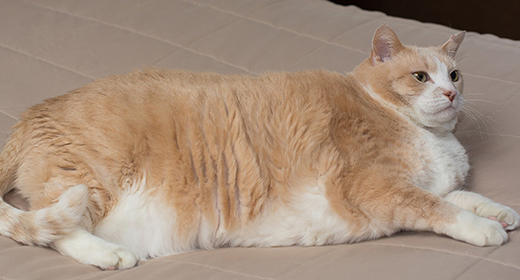
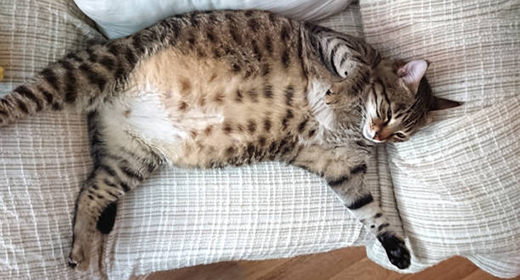
  • Obesity. Cats tend to gain weight as they age and become less active. Those between the ages of 7 and 9 are at the highest risk of becoming obese, making a lower-calorie diet appropriate in some cases. If your cat is overweight, ask your veterinarian to help you modify the diet you're providing.
  • Weight loss. Some cats may become thinner as they get older. This can be part of the normal aging process, but progressive weight loss can also be caused by serious medical problems. Tell your veterinarian about any significant changes in your cat's weight and then discuss whether diet modifications are necessary. If a physical examination rules out disease, you might consider a calorie-dense 'senior' food that has higher amounts of readily digestible fat, which cats find especially tasty. It may help improve your cat's appetite.
  • Dental problems. As your cat ages, periodic dental checkups will help prevent the oral diseases that are common in older cats and can affect their ability to eat. If your cat has irreversible dental problems, a change from dry food to canned or semi-moist food might be necessary.


Follow these guidelines for feeding an older cat:

  • Take your senior cat for regular (at least once a year) medical checkups. Your veterinarian can talk with you about any special health problems your pet has and the dietary changes that might be necessary. In many 'old age' diseases, special foods can be prescribed along with medication to help manage the conditions. Give your cat supplements only if your veterinarian specifically recommends them.
  • Watch your cat's weight. If you notice that your older pet is gaining or losing weight, tell your veterinarian. The doctor can check for medical problems that might be contributing to the weight change and recommend modifications in diet to correct the problem.
  • Watch the treats. Older cats—and their digestive systems—are even more sensitive than the youngsters to the unbalancing effects of frequent snacks, treats, and table scraps.
  • Keep fresh water in a clean bowl available at all times. If your pet is not drinking, consider buying a pet water fountain, as running water is sometimes more appealing to cats.
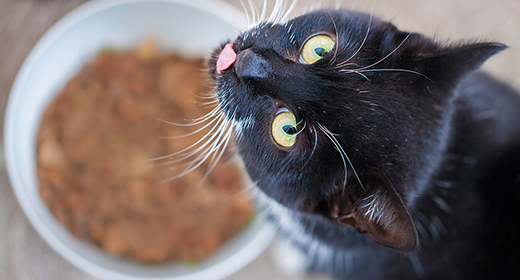
  • Make food more appetizing. As cats age, their senses of smell and taste become less acute, so pet food manufacturers have developed senior cat food with intensified aromas and flavors. You can try to make your older cat's food more appealing by warming it to increase its smell (just be sure to stir it to eliminate any hot spots), or by adding bouillon or gravy. If your cat has dental problems, you can change the food's texture by blending or mashing it with water.

  • cat-article-detail-banner
    cat-article-detail-banner
    adp_description_block432
    Understanding Common Ingredients and Nutrients in Cat Food

    • Share

    Do you know what’s in your cat’s food? And more importantly, do you know how those nutrients affect your cat’s health, including their muscles, skin, coat and nails, digestion, bone growth and so much more?
     

    As the old adage goes, “You are what you eat,” so it stands to reason that by feeding your cat high-quality ingredients, their overall health will be positively impacted.
     

    So, what’s in your cat’s food? Simply put, cat food nutrients are divided into four subcategories: protein, carbohydrates, fats, and vitamins and minerals. Learn more about each of these — and how they can affect your cat’s health.


    Protein in Cat Food

    Protein is best known for supplying amino acids, or protein subunits, to build hair, skin, nails, muscles, tendons, ligaments and cartilage.
     

    Common cat food protein sources include meat, chicken, fish and some plant ingredients like corn gluten and soybean meal.
     

    Cats and kittens are true carnivores and need essential amino acids. One of these, taurine, is not found in plant protein sources such as soybean meal — which means your cat needs a protein source from meat to stay healthy.


    Carbohydrates in Cat Food

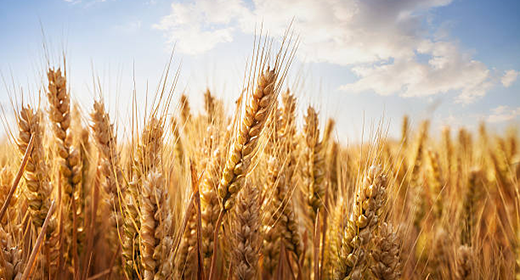
    Carbohydrates (also known as starches [sugars]) and fibers provide energy and bulk, respectively. Plants and grains like wheat and corn are common carbohydrate sources.
     

    Starches are made up of various types of sugar, such as glucose or fructose. Through digestion, cats can easily convert sugar into usable energy.
     

    Fiber provides bulk to move food through your cat’s gastrointestinal tract, aiding in healthy digestion. Some types of fiber, such as vegetable gums and beet pulp, are fermented by bacteria in your cat’s intestines, creating short-chain fatty acids that serve as an important source of energy for the cells lining your cat’s intestinal tract.


    Fat in Cat Food

    Though it sometimes gets a bad rap, fat fulfills many vital bodily functions. Fat helps your cat maintain their body temperature, control inflammation and more. It is the primary form of stored energy in the body, providing twice as much energy as carbohydrates or proteins.
     

    Fats are found in meats, fish and plant oils, such as flax and vegetable oils.
     

    Fats also provide omega-6 and omega-3 fatty acids, which are important fat subunits. Omega-6 fatty acids are essential for skin and coat maintenance and proper membrane structure. Omega-3 fatty acids have also been shown to affect coat quality and skin health.


    Nutrition tip: All IAMS™ dry foods contain an optimal ratio of omega-6 and omega-3 fatty acids to help support a healthy skin and coat.


    Vitamins and Minerals in Cat Food

    Vitamins are responsible for promoting bone growth, blood clotting, energy production and oxidant protection in your cat.
     

    Vitamins A, D, E and K require fat for absorption into the body, while vitamins such as the B-complex vitamins and vitamin C need water to be absorbed into the body.
     

    Minerals provide skeletal support and aid in nerve transmission and muscle contractions.
     

    Feeding your cat a high-quality, nutritionally complete diet is crucial. When choosing a cat food, make sure to read the label and look for optimal sources of protein, carbohydrates, fat, and vitamins and minerals. These building blocks will help ensure your cat lives a long and healthy life.


Close modal