IAMS IN
cat-article-tips-feeding-your-senior-cat
cat-article-tips-feeding-your-senior-cat-mob

adp_description_block432
Tips for Feeding Your Senior Cat

  • Share

Mature cats need the same kinds of nutrients as younger adult cats, but as their metabolism slows, the quantities of those nutrients and the ways in which they are provided may need to change. Each cat is different, so ask your veterinarian for dietary recommendations based on your cat's physical condition.


Here are some special dietary concerns of mature cats:

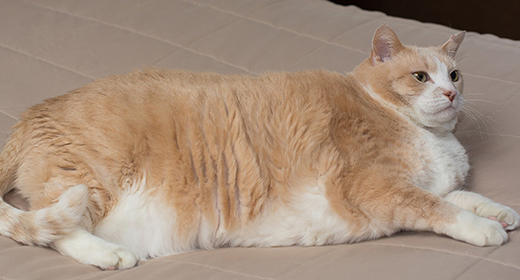
  • Obesity. Cats tend to gain weight as they age and become less active. Those between the ages of 7 and 9 are at the highest risk of becoming obese, making a lower-calorie diet appropriate in some cases. If your cat is overweight, ask your veterinarian to help you modify the diet you're providing.
  • Weight loss. Some cats may become thinner as they get older. This can be part of the normal aging process, but progressive weight loss can also be caused by serious medical problems. Tell your veterinarian about any significant changes in your cat's weight and then discuss whether diet modifications are necessary. If a physical examination rules out disease, you might consider a calorie-dense 'senior' food that has higher amounts of readily digestible fat, which cats find especially tasty. It may help improve your cat's appetite.
  • Dental problems. As your cat ages, periodic dental checkups will help prevent the oral diseases that are common in older cats and can affect their ability to eat. If your cat has irreversible dental problems, a change from dry food to canned or semi-moist food might be necessary.


Follow these guidelines for feeding an older cat:
  • Take your senior cat for regular (at least once a year) medical checkups. Your veterinarian can talk with you about any special health problems your pet has and the dietary changes that might be necessary. In many 'old age' diseases, special foods can be prescribed along with medication to help manage the conditions. Give your cat supplements only if your veterinarian specifically recommends them.
  • Watch your cat's weight. If you notice that your older pet is gaining or losing weight, tell your veterinarian. The doctor can check for medical problems that might be contributing to the weight change and recommend modifications in diet to correct the problem.
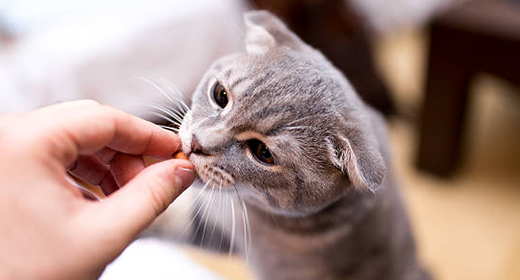
  • Watch the treats. Older cats—and their digestive systems—are even more sensitive than the youngsters to the unbalancing effects of frequent snacks, treats, and table scraps.
  • Keep fresh water in a clean bowl available at all times. If your pet is not drinking, consider buying a pet water fountain, as running water is sometimes more appealing to cats.
  • Make food more appetizing. As cats age, their senses of smell and taste become less acute, so pet food manufacturers have developed senior cat food with intensified aromas and flavors. You can try to make your older cat's food more appealing by warming it to increase its smell (just be sure to stir it to eliminate any hot spots), or by adding bouillon or gravy. If your cat has dental problems, you can change the food's texture by blending or mashing it with water.

  • How Sodium Is Used in Our Cat Foods
    How Sodium Is Used in Our Cat Foods
    adp_description_block151
    How Sodium Is Used in Our Cat Foods

    • Share

    Why should cat food have sodium in it? Sodium content in cat food has an important nutritional and dietary function, just like it does in your food! But it’s important to understand just what it does and how much of it is healthy. That way you can make the best possible decisions about what to feed your cat.


     What Is Sodium? Why Is Sodium Important for Cats?

    Sodium is an essential mineral for life. Inside the body it is found in the blood and in the fluid that surrounds cells. Sodium itself helps ensure proper nerve and muscle cell functions, maintains a healthy cellular environment and prevents cells from swelling or dehydrating. The sodium levels in IAMS™ cat foods are balanced with other minerals, vitamins, fats, proteins and carbohydrates. That way you can be sure your cat is getting enough for their health.


    Where Does Sodium Content in Cat Food Come from? 

    Meat, poultry, fish and eggs are all good natural sources of sodium, and are the primary ingredients in all IAMS™ cat foods including IAMS™ PROACTIVE HEALTH™ Healthy Adult.

    Sodium may also be included in commercial cat foods in the form of ordinary table salt. Salt is an important ingredient in making food more palatable for animals, as well as for people.


    How Much Sodium Can Cats Have Per Day? 

    The Association of American Feed Control Officials recommends that dry cat foods contain at least a minimum of 0.2%1 sodium — 0.2% of dry matter your cat eats, or 0.5 grams per 1,000 kcal — for maintenance and to support normal growth and development. While higher sodium intake may cause increased thirst, water consumption and urination, excess sodium is passed in the urine.


    Why Would a Vet Recommend More or Less Sodium? 

    A veterinarian may recommend changing your cat’s sodium intake to help decrease high blood pressure, eliminate excessive body fluid or as a precaution if kidney, liver or heart heath is a concern. You can keep track of your cat’s overall wellbeing at home if you regularly check their C.A.T.S. — Coat, Appetite, Temperament and Size — for any changes that might lead to questions for the vet.

    Healthy cats of all ages don’t normally require a low- or reduced-sodium diet, so be sure to talk to your vet about any sodium concerns you may have before making a change.

     Cats’ bodies work differently from our own, and learning to care for them is a process! What your cat eats impacts everything from their energy levels to their mood to the health of their skin and coat. By understanding what healthy cats and kittens need from their food, like sodium, antioxidants, fiber and more, you’re better able to give your cat a diet that helps them thrive.


Close modal