Enter a keyword below to search for articles and products.
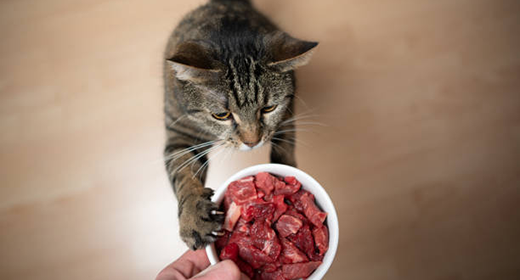
Every kitten food has protein, but here are some important facts about the different types of protein to help you choose the right food for your kitten. It is important to remember that the source of protein is vitally important to kittens because one of the principle nutritional philosophies is that kittens are best fed as carnivores.
Some pertinent facts when listening to the claims and advertising of various manufacturers:
1. Recommended kitten food protein levels are established by nutrition experts from around the world and published as NRCs (Nutrient Reference Charts). These protein requirement levels are determined by meeting the animal’s need for essential amino acids, the building blocks of protein; and by monitoring/calculating the nitrogen balance (a comparison between the intake of nitrogen in the diet and the losses through urine, feces, and evaporation from the skin and mouth). Nitrogen balance has been the recognized method of determining protein requirements for many decades. Variations in levels from what has been established for many years should be validated by convincing research. If the change in level isn’t backed by supporting evidence of a tangible benefit, then there may be hazards. Studies in several species have found a link between diets with high protein levels (greater than 40% protein), bone loss, and urinary tract stones.
2. Protein from plant sources may elevate the amount of protein, but may not be as beneficial as animal-based sources of protein in kitten food because of lower digestibility, effects on muscle-to-fat body composition ratio, and the range of amino acids they provide.
3. There are only three sources of energy in any kitten food diet–fat, protein, and carbohydrate (starch). If the amount of one element is raised, the amount of one or two of the others must be lowered to maintain a proper energy level in the food for your kitten’s life stage and lifestyle. A balance of nutrients is important to your kitten because each of the nutrient groups supplies something very specific for the kitten’s body. Excess protein above your kitten’s actual needs cannot be stored for future use and will be converted into fat.


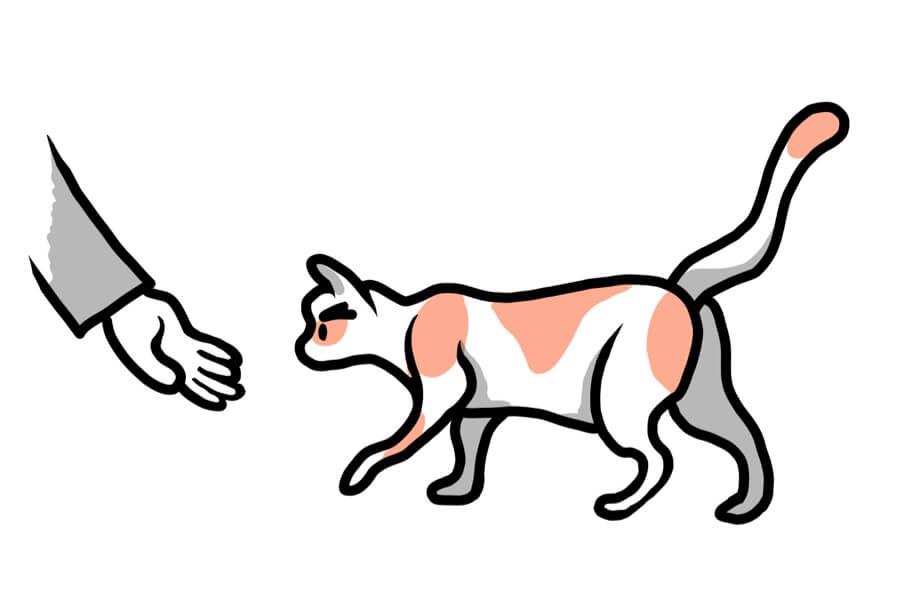
You’ve probably heard that cats are aloof, but that’s not always the case. They can be affectionate, playful and highly attached to their owners, much like a dog. It’s just that cats are at a disadvantage versus dogs because they don’t have the facial physiology that lets their canine counterparts “smile” all the time.
So, don’t be fooled — cats are not only happy, but also immensely talented at bringing joy to their humans. In the market for crazy antics one minute, soft cuddles the next? Cats are a low-risk, high-yield investment in complex personalities.
With any cat adoption, you are literally saving that animal’s life. Plus, you’re supporting the organization you adopt from, which in turn allows them to help more animals in need, so you’re basically a hero. And all these good feelings happen before you even bring your new kitty home!
Who couldn’t use another friend? Especially one that’s a furry, adorable biscuit factory. Research shows that having a cat can reduce stress and increase confidence, and it’s hard to beat quality time with a cat for anxiety relief. Journalist Jane Pauley once said, “You cannot look at a sleeping cat and feel tense.”
Adopting a cat can be a great move for children, too. There’s no better way to nurture values such as responsibility and empathy than with a frolicky, purrmotored pal. A survey of parents found that children who had bonded with a feline friend enjoy a higher quality of life. (They wanted to survey the cats too, but there was a sunny spot on the carpet that needed to be napped in, so …)
Cats are amazing. They entertain us by defying gravity and contorting themselves into spine-twisting postures. An inquisitive meow or a nudge with their head can totally banish a bad mood. They are the perfect companion to all. If you’re thinking about adding a cute, flu'y, serotonin-boosting kitty cat, this is your sign: Do it!