Enter a keyword below to search for articles and products.
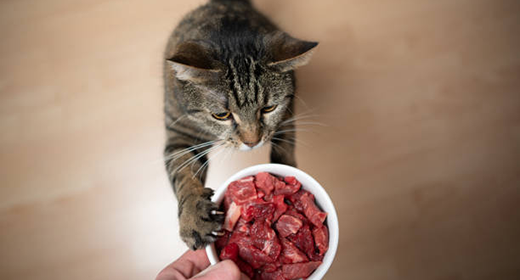
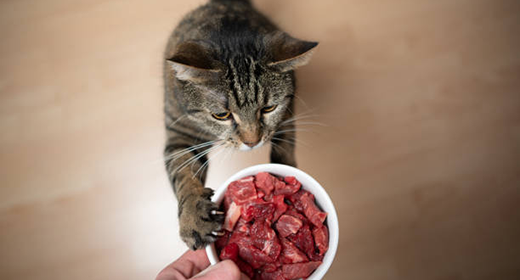
Every kitten food has protein, but here are some important facts about the different types of protein to help you choose the right food for your kitten. It is important to remember that the source of protein is vitally important to kittens because one of the principle nutritional philosophies is that kittens are best fed as carnivores.
Some pertinent facts when listening to the claims and advertising of various manufacturers:
1. Recommended kitten food protein levels are established by nutrition experts from around the world and published as NRCs (Nutrient Reference Charts). These protein requirement levels are determined by meeting the animal’s need for essential amino acids, the building blocks of protein; and by monitoring/calculating the nitrogen balance (a comparison between the intake of nitrogen in the diet and the losses through urine, feces, and evaporation from the skin and mouth). Nitrogen balance has been the recognized method of determining protein requirements for many decades. Variations in levels from what has been established for many years should be validated by convincing research. If the change in level isn’t backed by supporting evidence of a tangible benefit, then there may be hazards. Studies in several species have found a link between diets with high protein levels (greater than 40% protein), bone loss, and urinary tract stones.
2. Protein from plant sources may elevate the amount of protein, but may not be as beneficial as animal-based sources of protein in kitten food because of lower digestibility, effects on muscle-to-fat body composition ratio, and the range of amino acids they provide.
3. There are only three sources of energy in any kitten food diet–fat, protein, and carbohydrate (starch). If the amount of one element is raised, the amount of one or two of the others must be lowered to maintain a proper energy level in the food for your kitten’s life stage and lifestyle. A balance of nutrients is important to your kitten because each of the nutrient groups supplies something very specific for the kitten’s body. Excess protein above your kitten’s actual needs cannot be stored for future use and will be converted into fat.
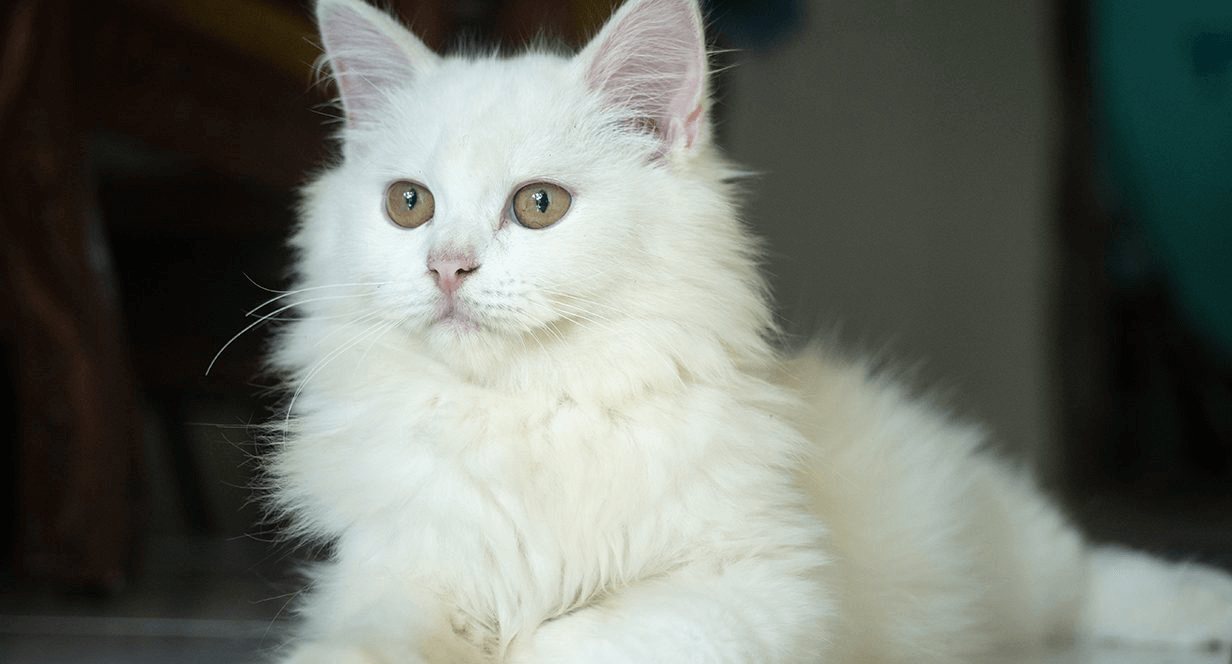
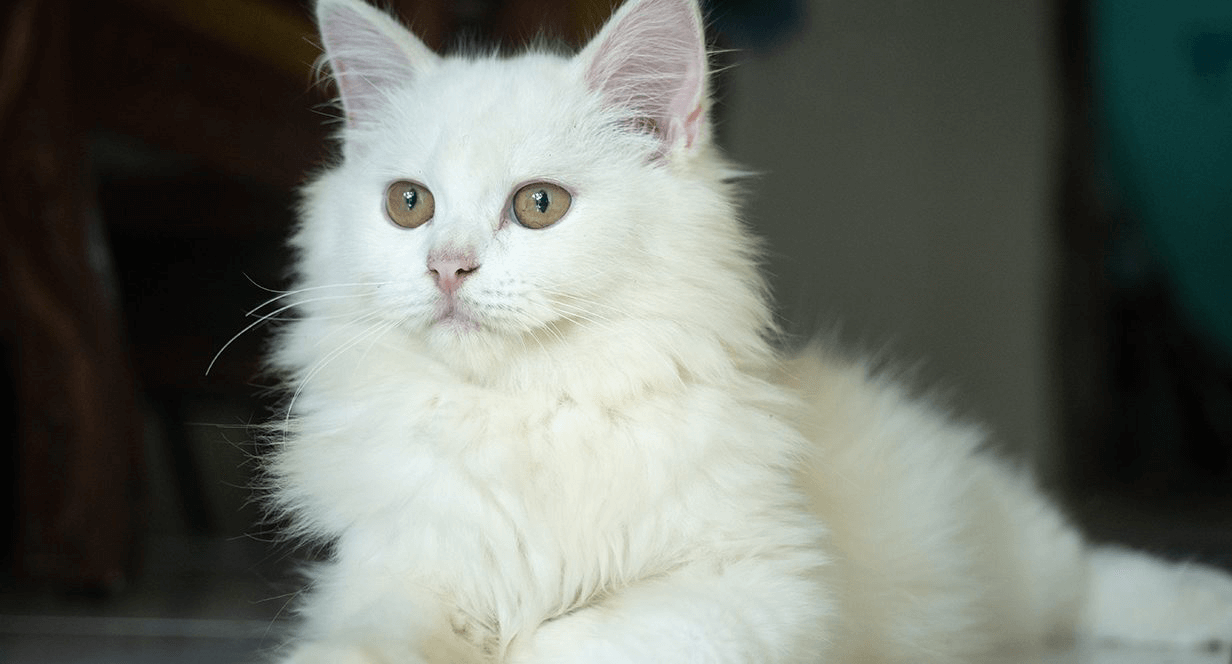
You remember the first time you met like it was yesterday, but lately you find yourself wondering if your cat has entered the golden years.
Here are some things to know about senior cats, including signs they’re ageing and ways to alter their diets to keep them going strong.
Gasp!
Is my baby ... old?
A 12-year-old cat is equivalent to a 64-year-old human.
This 64-year-old
ran a marathon,
so you never
know.
Just like people, cats often show signs that they're getting older:
• Decreased activity
• Joint weakness
• A picky palate
• Confused by the internet
A complete and balanced diet is important, whether or not your cat has underlying health issues.
We get it. Indoor cats have less opportunity to exercise than outdoor cats. Just don’t let those calories add up to unwanted pounds.
10 extra calories a day = up to 1 pound a year.
Picky eating in older age often comes from a reduced ability to taste and smell. Cats 14 years and older are 15 times more likely to be too skinny.
So make sure you’re feeding your cat a food that’s high in calorie density and as tasty as possible.
Senior cats with heart disease may need a special veterinarian-prescribed food.
Senior cats with kidney issues may need veterinarian-prescribed food that's lower in potassium and protein.
Cats with diabetes may need to eat a special veterinarian-prescribed diet.
Consider adding dry food to your cat’s diet which can help remove plaque buildup.
All adults cats, regardless of age, should be fed a carnivorous diet.
An animal-based protein should be the first ingredient on any cat food label.
Good news: You don’t have to worry about providing additional supplements when you choose IAMS™. All foods are nutritionally complete and balanced.