Enter a keyword below to search for articles and products.
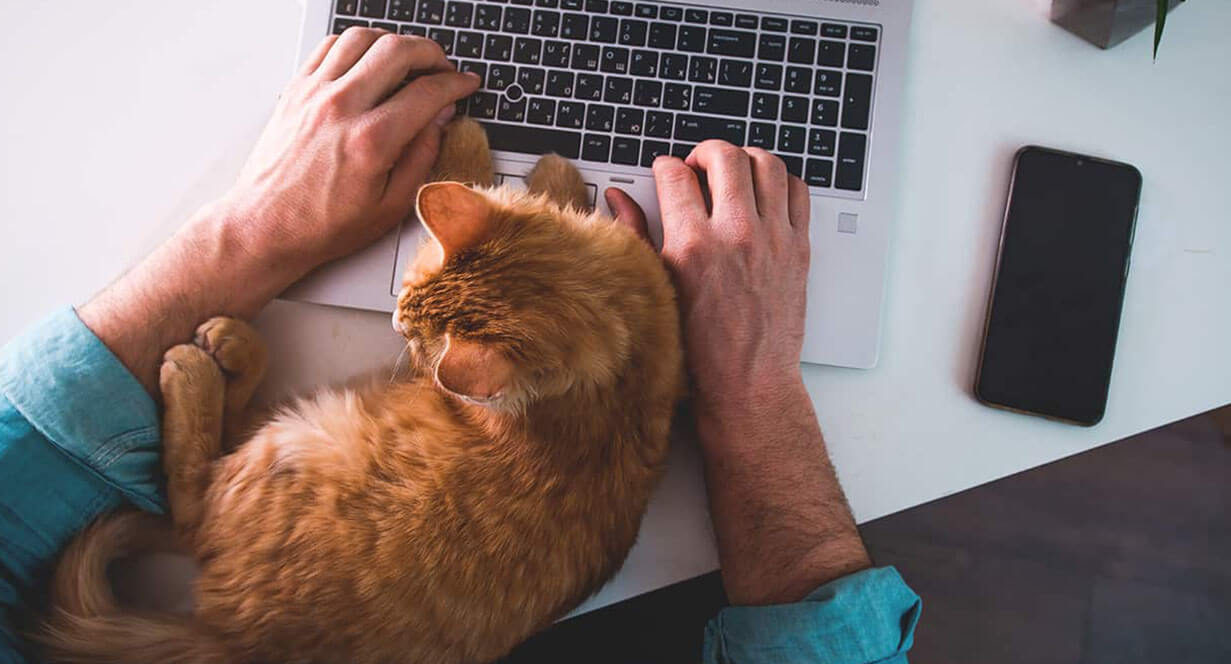
Cats don’t lack personality; that’s for sure. They can be shy, outgoing, snuggly, independent, energetic, relaxed and everything in between. Yet some breeds tend to exhibit certain traits more strongly than others. Here are our picks for what we’re calling the Cat Personality Awards.
This larger cat has a big heart to match. They’re often very social and happy to chat with you, whether they’re curled up on your lap or following you around the house. They make excellent family pets because more family members means more people to snuggle and play with.
Also outgoing: Ragdoll, Siamese, Burmese
Gentle and calm, this soft and silky-furred feline is friendly without being demanding. Ragdolls are usually totally cool sharing a house with other pets and kids. They don’t stress much about routine changes or even being carried around. Their motto? It’s all good.
Other cool kitties: Scottish fold, Birman, British shorthair
Making up around 90% of cats in the U.S., with more than 80 colors and patterns, domestic shorthairs are a melting pot of different breeds. They were originally working cats used to hunt mice and other critters on farms. They still love to stalk, hunt and pounce on toys and play games with their owners — so expect to spend lots of energetic playtime together.
Also ready to play: Siamese, Maine coon, Manx
This popular breed has been around humans since the 1600s, but is satisfied doing its own thing. Gentle, docile and quiet, Persian cats don’t insist on a lot of attention. They’re just as content sitting on your lap or observing what’s going on by themselves from a sunny perch across the room. They can be discerning in who they give their affection to, but you’ll be on their good side once you earn their trust.
Also fine on their own: Russian blue, American shorthair, Norwegian Forest cat
The idea of training a cat may seem hilarious, but the curiosity and intelligence of Abyssinians make them highly trainable. Some can even be taught tricks or to walk on a leash and harness. Training and playing games are perfect ways to direct their affectionate energy.
Also eager to learn: Bengal, Siamese, American shorthair
Owning this affectionate, hairless breed means you can spend more time cuddling and less time lint-rolling your clothes. They do require regular baths, but that just means more time to hang out together.
Other neat freaks: Siamese, Russian blue
Thinking of getting your first kitty? It’s hard to pick just one breed, so we’ve got three:
Remember, most cats — especially those found in shelters — are a mix of breeds, which just means they often combine the best of all cat personality traits! Whatever personality you’re looking for in a cat, you’ll know it when you find your fuzzy soulmate.
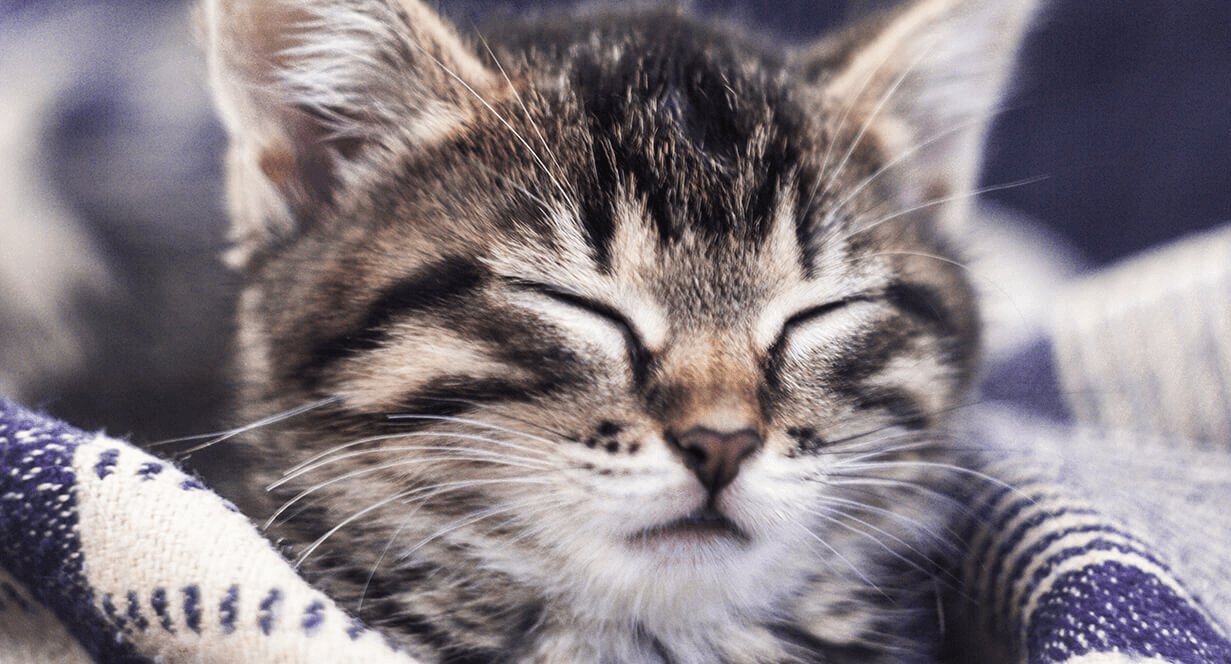
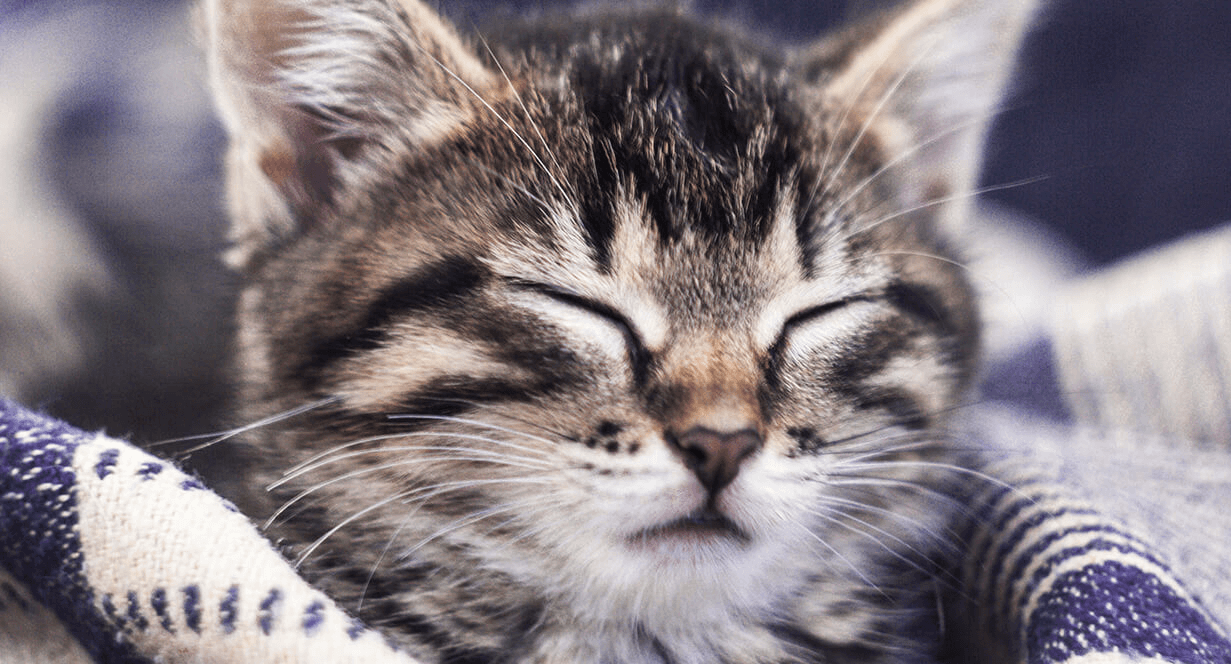
Most cats spend a considerable amount of time grooming their coats. As they do so, their hair is swallowed and may build up over time in their stomach. If the hairball doesn’t pass from the stomach, the cat will attempt to eliminate it by coughing or gagging.
Many cats have a hairball at some point in their life, but some cats, such as long-haired cats and cats that groom excessively, are especially prone to hairballs. In hairball-prone cats, frequent brushing can help reduce the amount of hair that is ingested, thereby reducing the risk of hairball formation. Feeding a special diet designed to decrease the likelihood of developing a hairball may also help.
Diet can be important in hairball relief for several reasons. The fiber combination of powdered cellulose and beet pulp in IAMS™ hairball formulas helps move hair through the digestive tract. IAMS research has shown that cats fed IAMS ProActive Health™ Adult Hairball Care pass 80% more hair in their feces than cats fed a leading premium dry cat food. By helping ingested hair to be passed from the digestive tract, IAMS hairball formulas help reduce the opportunities for hairballs to form. This fiber blend also includes a moderately fermentable component to promote intestinal health. High-quality, animal-based protein and fat, found in IAMS hairball formulas, provide important nutrients for skin and coat health. Maintaining skin and coat health may reduce the risk of excessive shedding, ingestion of hair from grooming, and, consequently, hairball formation.
Overweight cats have special nutritional needs in order to promote weight loss or weight management. Likewise, senior cats have special nutritional needs that are better met through a diet designed specifically for them. If an overweight or senior cat has problems with hairballs, feeding an IAMS hairball formula for indoor or senior (age 7+) cats is a great choice.
Yes. Mixing other foods with IAMS hairball formulas may compromise the effectiveness of this diet by diluting the nutrients that help reduce the risk of hairball formation. Switching between IAMS hairball formulas and another cat food may also decrease the benefit of feeding this diet.