Enter a keyword below to search for articles and products.


Cats don’t lack personality; that’s for sure. They can be shy, outgoing, snuggly, independent, energetic, relaxed and everything in between. Yet some breeds tend to exhibit certain traits more strongly than others. Here are our picks for what we’re calling the Cat Personality Awards.
This larger cat has a big heart to match. They’re often very social and happy to chat with you, whether they’re curled up on your lap or following you around the house. They make excellent family pets because more family members means more people to snuggle and play with.
Also outgoing: Ragdoll, Siamese, Burmese
Gentle and calm, this soft and silky-furred feline is friendly without being demanding. Ragdolls are usually totally cool sharing a house with other pets and kids. They don’t stress much about routine changes or even being carried around. Their motto? It’s all good.
Other cool kitties: Scottish fold, Birman, British shorthair
Making up around 90% of cats in the U.S., with more than 80 colors and patterns, domestic shorthairs are a melting pot of different breeds. They were originally working cats used to hunt mice and other critters on farms. They still love to stalk, hunt and pounce on toys and play games with their owners — so expect to spend lots of energetic playtime together.
Also ready to play: Siamese, Maine coon, Manx
This popular breed has been around humans since the 1600s, but is satisfied doing its own thing. Gentle, docile and quiet, Persian cats don’t insist on a lot of attention. They’re just as content sitting on your lap or observing what’s going on by themselves from a sunny perch across the room. They can be discerning in who they give their affection to, but you’ll be on their good side once you earn their trust.
Also fine on their own: Russian blue, American shorthair, Norwegian Forest cat
The idea of training a cat may seem hilarious, but the curiosity and intelligence of Abyssinians make them highly trainable. Some can even be taught tricks or to walk on a leash and harness. Training and playing games are perfect ways to direct their affectionate energy.
Also eager to learn: Bengal, Siamese, American shorthair
Owning this affectionate, hairless breed means you can spend more time cuddling and less time lint-rolling your clothes. They do require regular baths, but that just means more time to hang out together.
Other neat freaks: Siamese, Russian blue
Thinking of getting your first kitty? It’s hard to pick just one breed, so we’ve got three:
Remember, most cats — especially those found in shelters — are a mix of breeds, which just means they often combine the best of all cat personality traits! Whatever personality you’re looking for in a cat, you’ll know it when you find your fuzzy soulmate.
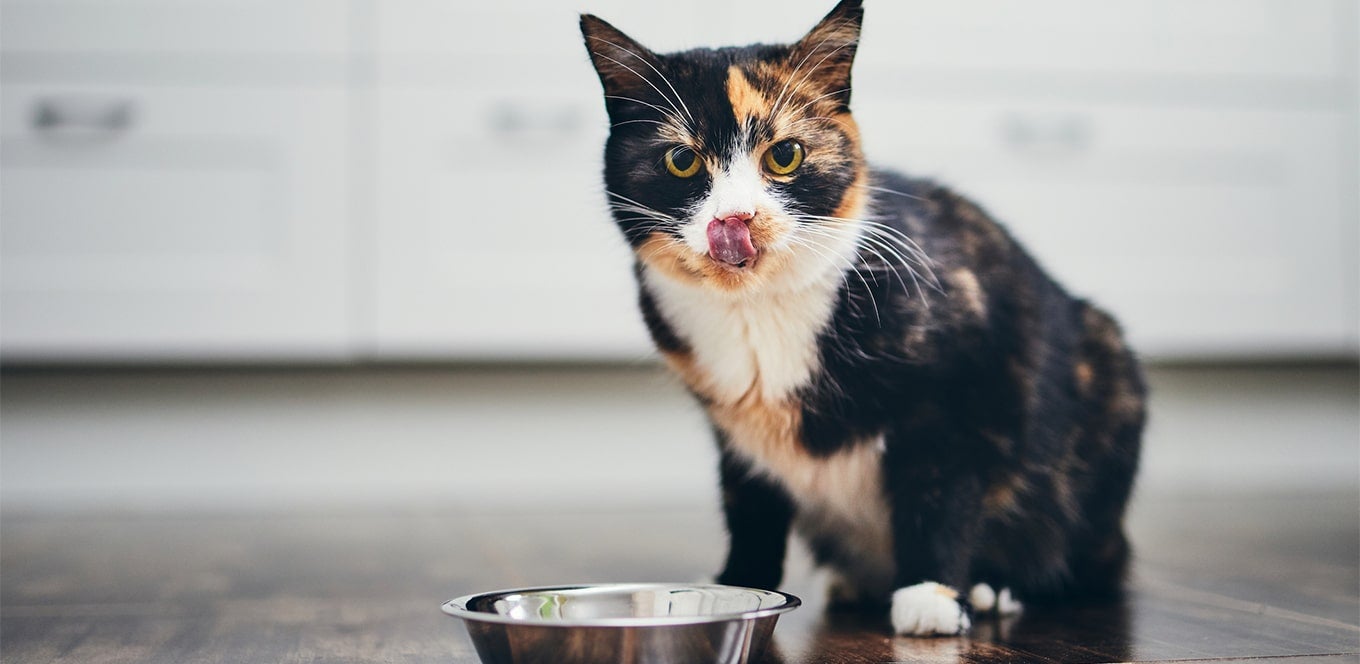
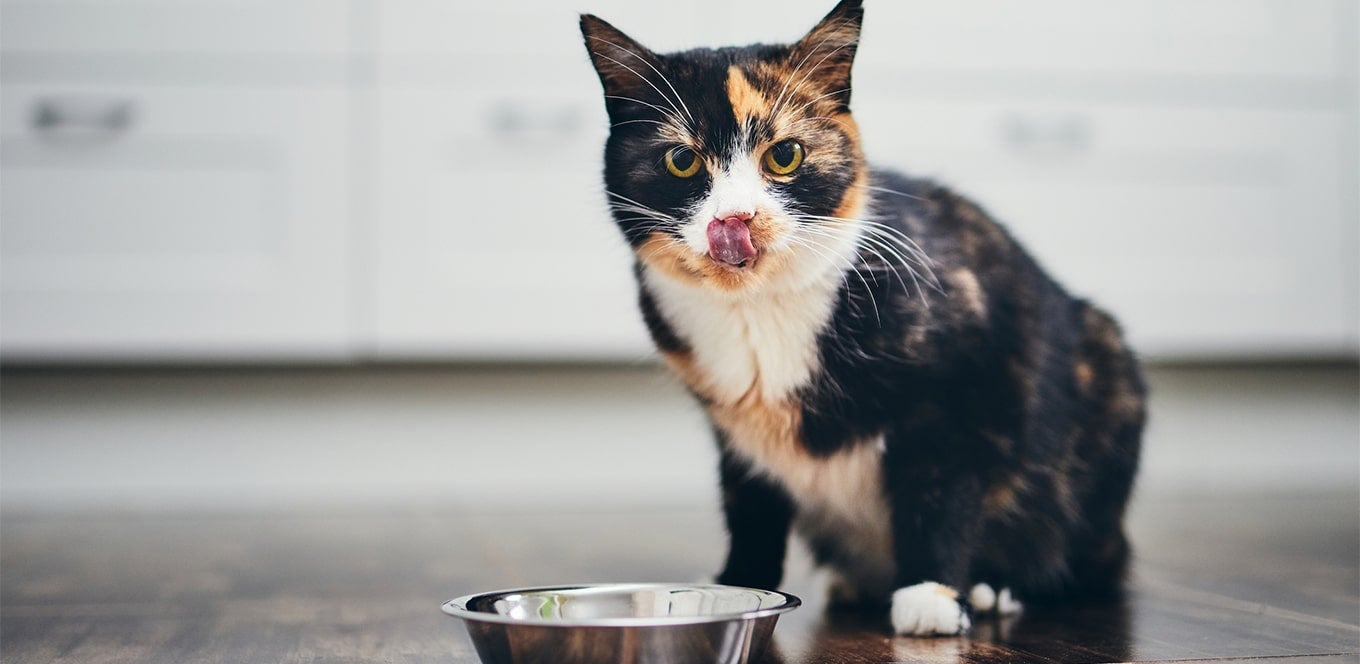
Knowing your cat needs a change in their diet is one thing, but knowing how to make that change is something else! Cats are creatures of habit, so it’s not uncommon for them to prefer their current food to anything new. Change disrupts their routine, which can impact their behavior and their digestion.
Thankfully, when the time has come to change your cat’s diet, a little planning and preparation goes a long way toward making the transition easier for them (and for you).
The following tips will help you change your cat’s diet and successfully transition your cat to a new food:
There are lots of reasons to consider changing your cat’s food — maybe you have a new kitten to wean, a kitten who’s all grown up now or an adult cat entering their senior years. In addition to normal aging, advice from the vet is a common reason to change what you’re feeding your cat. Cats that need help reducing their weight or managing excessive hairballs might need the support of a new food designed with those needs in mind. Whatever your reason for changing your cat’s diet, make sure the new food will suit their needs. That way you only have to make the transition once, and can avoid upsetting their stomach by changing the routine too often.
Going slow is paws down the most successful way to ease your cat into a different diet. Start by mixing 25% new food with 75% familiar food. Slowly change the proportions over the next three days or so by gradually increasing the amount of new food and decreasing the amount of their familiar food. Think of it as a kind of weaning — at the end of this process, you should be feeding (and your cat should be eating) just the new food.
Your cat may choose to eat only the familiar food, or not eat at all … at first. But a healthy cat can miss meals for a day or two without causing health problems. Slow, steady and consistent wins this race!
How would you feel if someone tried to force you to eat strange food you didn’t want?
Aggressively dumping the new food into your cat’s dish and declaring that your cat had better eat it might inspire your cat to do anything besides eat!
A little gentleness in your approach goes a long way. Try using a pleasant tone of voice and encouraging your cat to taste the new food. Even if they don’t go for it at first, a gentle approach still goes over much better than an aggressive one.
Cats train us as much as we train them. Giving in to their demands reinforces that their refusal to eat the new food is acceptable, which makes transitioning to the new diet even more challenging in the long run.
So don’t give up! Don’t be tempted to revert back to your cat’s familiar foods, and don’t give your cat treats or table scraps during the initial three-day period.
This is the toughest dietary transition of them all, but there are a few ways to make the process easier. If your cat resists eating dry food for more than a few meals, try mixing a little warm water with it and maybe even warming the moistened food in the microwave for a few seconds.
If you mix dry food with water, remember to discard any uneaten leftovers after 20 minutes to prevent spoilage. (The same rule applies for wet food.) After your cat is used to the moistened dry food, you can gradually transition to serving the same food dry.
Changing your cat’s diet is sometimes necessary to help them live a happy, healthy life. The process of switching what, how or how often you feed your cat can be a little bumpy, but you can do it! By going slowly, staying patient and encouraging, sticking to the plan and making the transition as easy as possible, you’ll be giving your cat what they need and helping them adjust as comfortably as possible.