Enter a keyword below to search for articles and products.


Cats don’t lack personality; that’s for sure. They can be shy, outgoing, snuggly, independent, energetic, relaxed and everything in between. Yet some breeds tend to exhibit certain traits more strongly than others. Here are our picks for what we’re calling the Cat Personality Awards.
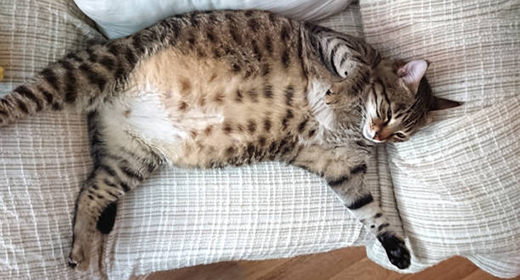
This larger cat has a big heart to match. They’re often very social and happy to chat with you, whether they’re curled up on your lap or following you around the house. They make excellent family pets because more family members means more people to snuggle and play with.
Also outgoing: Ragdoll, Siamese, Burmese
Gentle and calm, this soft and silky-furred feline is friendly without being demanding. Ragdolls are usually totally cool sharing a house with other pets and kids. They don’t stress much about routine changes or even being carried around. Their motto? It’s all good.
Other cool kitties: Scottish fold, Birman, British shorthair
Making up around 90% of cats in the U.S., with more than 80 colors and patterns, domestic shorthairs are a melting pot of different breeds. They were originally working cats used to hunt mice and other critters on farms. They still love to stalk, hunt and pounce on toys and play games with their owners — so expect to spend lots of energetic playtime together.
Also ready to play: Siamese, Maine coon, Manx
This popular breed has been around humans since the 1600s, but is satisfied doing its own thing. Gentle, docile and quiet, Persian cats don’t insist on a lot of attention. They’re just as content sitting on your lap or observing what’s going on by themselves from a sunny perch across the room. They can be discerning in who they give their affection to, but you’ll be on their good side once you earn their trust.
Also fine on their own: Russian blue, American shorthair, Norwegian Forest cat
The idea of training a cat may seem hilarious, but the curiosity and intelligence of Abyssinians make them highly trainable. Some can even be taught tricks or to walk on a leash and harness. Training and playing games are perfect ways to direct their affectionate energy.
Also eager to learn: Bengal, Siamese, American shorthair
Owning this affectionate, hairless breed means you can spend more time cuddling and less time lint-rolling your clothes. They do require regular baths, but that just means more time to hang out together.
Other neat freaks: Siamese, Russian blue
Thinking of getting your first kitty? It’s hard to pick just one breed, so we’ve got three:
Remember, most cats — especially those found in shelters — are a mix of breeds, which just means they often combine the best of all cat personality traits! Whatever personality you’re looking for in a cat, you’ll know it when you find your fuzzy soulmate.
Cat food labels provide limited information regarding the nutritional value of the package contents. It is important for customers to know what can and cannot be determined from the label, and what information is particularly important. Major components of a pet food label include:
Values in the guaranteed analysis are expressed as either minimum or maximum. A maximum guarantee (% max) means at most this specific amount of the nutrient is included in the formula. A minimum guarantee (% min) means at least this specific amount of the nutrient is included in the formula. The following four nutrients must be included on all pet food labels:
For example, a cat food with a 25% minimum crude protein guarantee should contain at least 25% protein, but could contain much more. The only way to determine the actual amount is by laboratory analysis.
Other information may be guaranteed on cat food products, such as magnesium (% max), taurine (% min), ash (% max), and linoleic acid (% min).
Ingredients must be listed in order of abundance (largest quantity listed first).
AAFCO nutritional adequacy statements are required on all pet foods. Products may either be formulated or tested according to AAFCO procedures and recommendations.
Veterinary-exclusive products include statements such as, 'This product is intended for intermittent feeding only' and 'Use only as directed by your veterinarian.'
Manufacturing codes allow the company to track products for quality and inventory issues. In order to quickly and efficiently handle a customer inquiry, the company's customer service department will usually ask the customer for this code.
Expiration or 'Best Used By' dates are optional, but are helpful in determining product freshness and shelf life.
The manufacturer's information should include the company name, address, and phone number so customers can quickly and easily obtain product information.
A toll-free telephone number should be provided as a convenience to the customer and to ensure that a charge is not incurred when calling for information.