Enter a keyword below to search for articles and products.
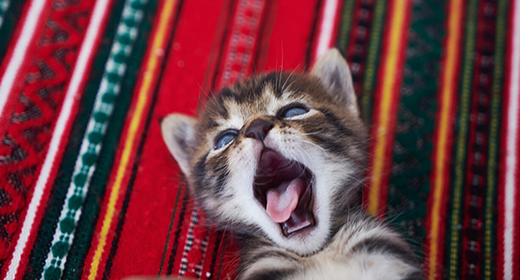
Taking care of a kitten is a big responsibility. But in addition to nutritious food, a warm place to sleep and plenty of play time, did you know kittens also need their teeth cleaned on a daily basis? Seventy percent of cats show signs of oral and dental disease by age 3 — but that doesn’t mean your kitten has to be among them. Here’s what you can do to take care of your kitten’s oral health.
There are three preventive measures you can take to ensure your pet’s oral hygiene doesn’t become a problem. They’re often referred to as the three D’s:
The first step in taking care of your kitten’s oral health is daily brushing. When you brush your kitten’s teeth, you remove plaque and slow the development of tartar. One of the easiest ways to do this is with a finger brush, which is available at most pet stores. Don’t forget to reward your kitten afterward with plenty of praise and play time!
Just like you, your kitten could benefit from annual or semiannual teeth cleanings. Vets refer to the cleaning as a dental prophylaxis. Besides helping keep your cat’s teeth and gums healthy, it’s the only way to remove tartar.
Dry food can be especially beneficial for oral health because the mechanical brushing action of dry kibble helps remove plaque and works to scrub your kitten’s teeth clean.
If you’re concerned about the health of your kitten’s teeth and mouth, keep an eye out for these signs of dental disease.
More than 300 types of bacteria naturally reside inside your kitten’s mouth. And when she eats, small food particles and saliva combine with the bacteria to form plaque. If plaque is left on the teeth, calcium in your pet’s saliva hardens it, resulting in a hard yellow-brown deposit on her teeth called tartar.
Your kitten lets you know a lot about how she’s feeling through the way she behaves. The following behaviors can indicate an oral health issue or periodontal disease:
Of course, a lot of these symptoms could signify other health issues, so it’s important to let a trained professional diagnose any health problems your pet may be having.
Nobody likes to deal with dental issues, your pet included. And even though your kitten can’t talk, that doesn’t mean she isn’t in pain. But if you’re armed with the three D’s of dental hygiene, your furry friend is sure to be happy and healthy for many years to come.
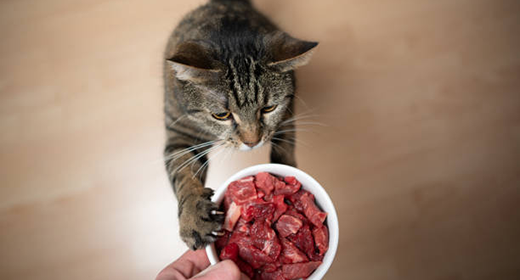
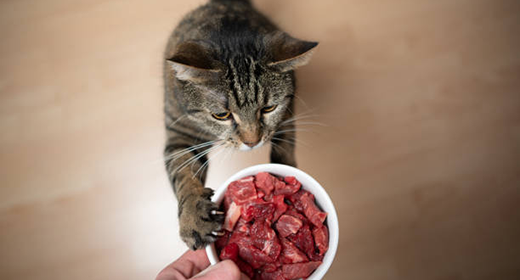
Every kitten food has protein, but here are some important facts about the different types of protein to help you choose the right food for your kitten. It is important to remember that the source of protein is vitally important to kittens because one of the principle nutritional philosophies is that kittens are best fed as carnivores.
Some pertinent facts when listening to the claims and advertising of various manufacturers:
1. Recommended kitten food protein levels are established by nutrition experts from around the world and published as NRCs (Nutrient Reference Charts). These protein requirement levels are determined by meeting the animal’s need for essential amino acids, the building blocks of protein; and by monitoring/calculating the nitrogen balance (a comparison between the intake of nitrogen in the diet and the losses through urine, feces, and evaporation from the skin and mouth). Nitrogen balance has been the recognized method of determining protein requirements for many decades. Variations in levels from what has been established for many years should be validated by convincing research. If the change in level isn’t backed by supporting evidence of a tangible benefit, then there may be hazards. Studies in several species have found a link between diets with high protein levels (greater than 40% protein), bone loss, and urinary tract stones.
2. Protein from plant sources may elevate the amount of protein, but may not be as beneficial as animal-based sources of protein in kitten food because of lower digestibility, effects on muscle-to-fat body composition ratio, and the range of amino acids they provide.
3. There are only three sources of energy in any kitten food diet–fat, protein, and carbohydrate (starch). If the amount of one element is raised, the amount of one or two of the others must be lowered to maintain a proper energy level in the food for your kitten’s life stage and lifestyle. A balance of nutrients is important to your kitten because each of the nutrient groups supplies something very specific for the kitten’s body. Excess protein above your kitten’s actual needs cannot be stored for future use and will be converted into fat.