Enter a keyword below to search for articles and products.
Before you assume that by-products in kitten food are a bad thing, here are some facts. In common usage, a by-product is something that is just that—a side product from the making of another product. By-products are not by definition poor quality. For instance, gingerbread cookies wouldn’t be the same without molasses, which is a by-product of sugar manufacture.
In relation to IAMS™ kitten and cat foods, by-products are generally parts of the animals that are not the muscle meat preferred by most consumers. The term refers only to the anatomic parts included, not to the nutritional quality of the parts.
While many may not be used to eating these animal parts themselves, it is important to realize that many of the items included in by-products (e.g., organ meats) may be higher in essential nutrients—amino acids, minerals, and vitamins—as well as more palatable to pets than the skeletal muscle meat.
In addition to nutritional benefits, inclusion of these ingredients in pet foods reduces waste and likely has environmental benefits as the livestock industry does not have to produce additional animals just to satisfy the needs for muscle meats to feed pets as well as people. Feeding these nutrient-rich, tasty parts to pets may prevent them from being wasted.
Much of the consumer confusion and discomfort surrounding by-products most likely stems from the marketing strategies of some pet food brands and perhaps from the ingredient name “by-product” itself.
It is important to keep in mind that most ingredients in pet foods can vary greatly in quality. In addition, quality cannot be assessed purely on the basis of the ingredient list. All by-products are not the same quality. Neither is all muscle meat. There are very high-quality by-products as well as poor-quality chicken and chicken meal.
Purchasing food only from reputable manufacturers who are very selective about their suppliers, have full-time, qualified nutritionists, and perform analytical testing to ensure that every ingredient, as well as the finished product, meets their exact nutrient specifications, will help avoid problems due to poor-quality ingredients.
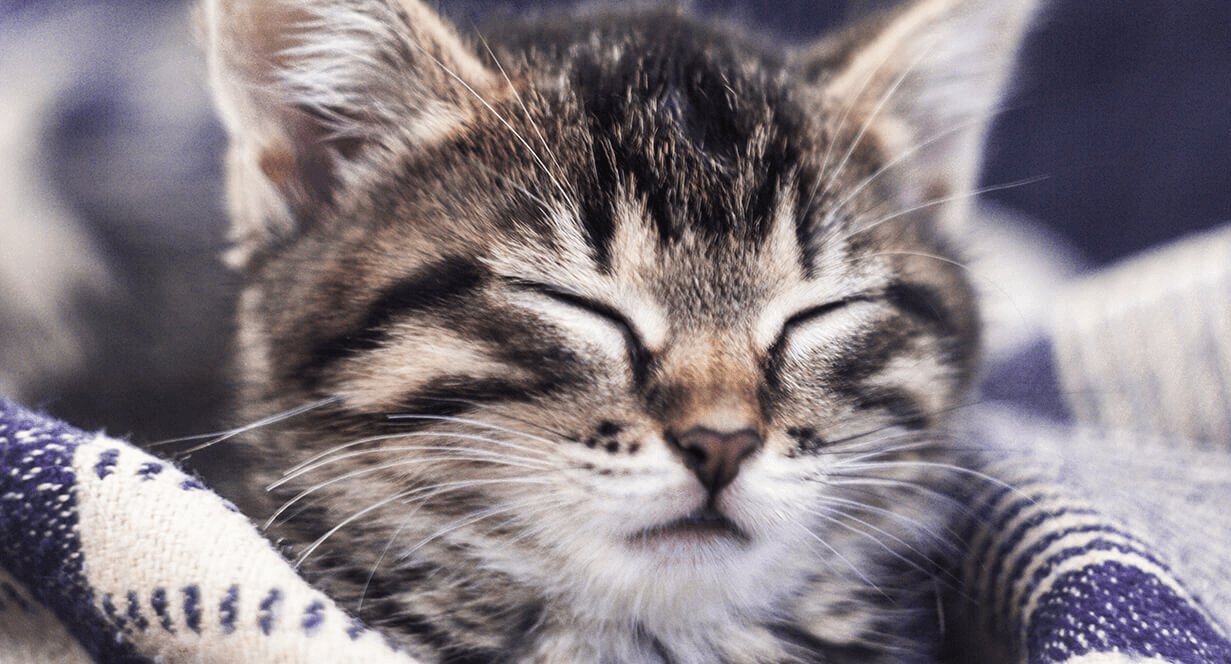
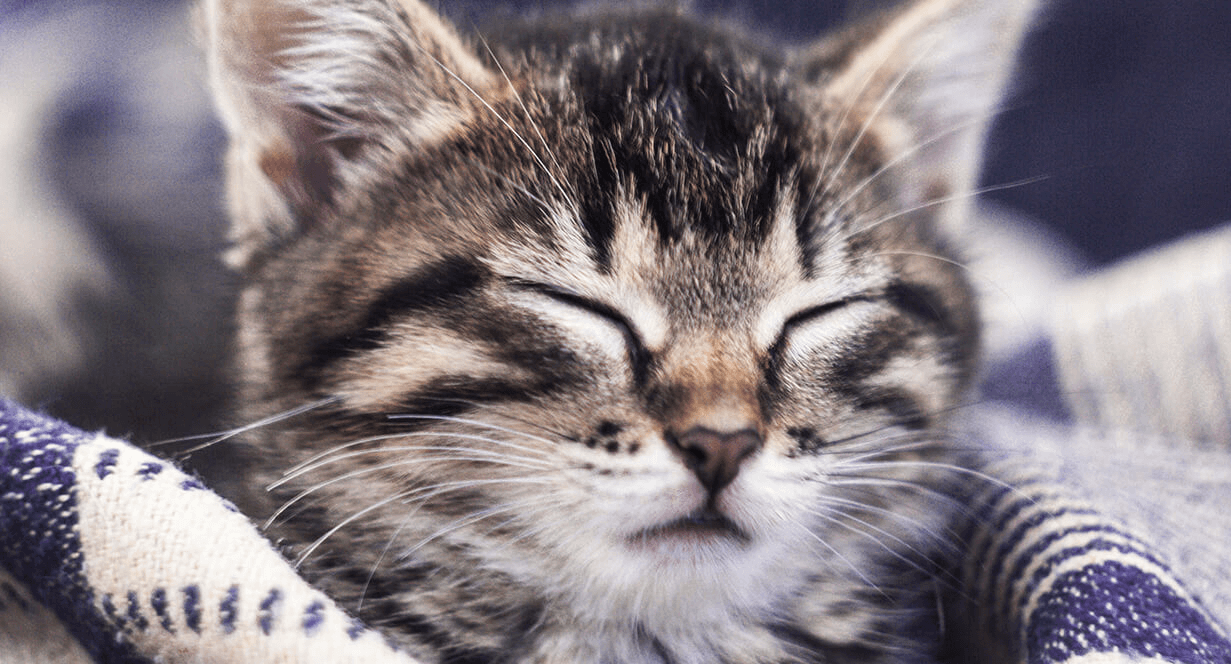
Most cats spend a considerable amount of time grooming their coats. As they do so, their hair is swallowed and may build up over time in their stomach. If the hairball doesn’t pass from the stomach, the cat will attempt to eliminate it by coughing or gagging.
Many cats have a hairball at some point in their life, but some cats, such as long-haired cats and cats that groom excessively, are especially prone to hairballs. In hairball-prone cats, frequent brushing can help reduce the amount of hair that is ingested, thereby reducing the risk of hairball formation. Feeding a special diet designed to decrease the likelihood of developing a hairball may also help.
Diet can be important in hairball relief for several reasons. The fiber combination of powdered cellulose and beet pulp in IAMS™ hairball formulas helps move hair through the digestive tract. IAMS research has shown that cats fed IAMS ProActive Health™ Adult Hairball Care pass 80% more hair in their feces than cats fed a leading premium dry cat food. By helping ingested hair to be passed from the digestive tract, IAMS hairball formulas help reduce the opportunities for hairballs to form. This fiber blend also includes a moderately fermentable component to promote intestinal health. High-quality, animal-based protein and fat, found in IAMS hairball formulas, provide important nutrients for skin and coat health. Maintaining skin and coat health may reduce the risk of excessive shedding, ingestion of hair from grooming, and, consequently, hairball formation.
Overweight cats have special nutritional needs in order to promote weight loss or weight management. Likewise, senior cats have special nutritional needs that are better met through a diet designed specifically for them. If an overweight or senior cat has problems with hairballs, feeding an IAMS hairball formula for indoor or senior (age 7+) cats is a great choice.
Yes. Mixing other foods with IAMS hairball formulas may compromise the effectiveness of this diet by diluting the nutrients that help reduce the risk of hairball formation. Switching between IAMS hairball formulas and another cat food may also decrease the benefit of feeding this diet.