Enter a keyword below to search for articles and products.
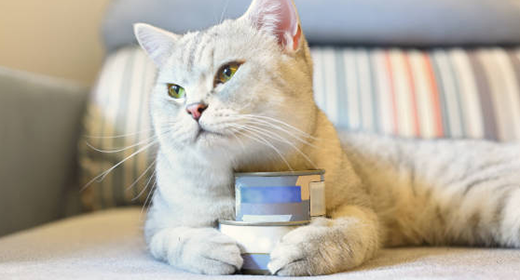
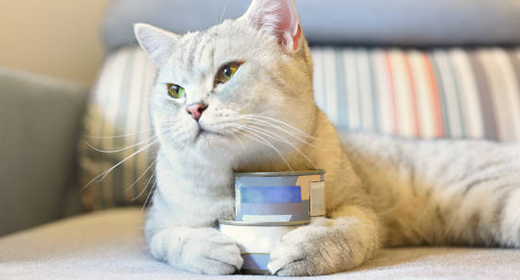
Before you assume that by-products in kitten food are a bad thing, here are some facts. In common usage, a by-product is something that is just that—a side product from the making of another product. By-products are not by definition poor quality. For instance, gingerbread cookies wouldn’t be the same without molasses, which is a by-product of sugar manufacture.
In relation to IAMS™ kitten and cat foods, by-products are generally parts of the animals that are not the muscle meat preferred by most consumers. The term refers only to the anatomic parts included, not to the nutritional quality of the parts.
While many may not be used to eating these animal parts themselves, it is important to realize that many of the items included in by-products (e.g., organ meats) may be higher in essential nutrients—amino acids, minerals, and vitamins—as well as more palatable to pets than the skeletal muscle meat.
In addition to nutritional benefits, inclusion of these ingredients in pet foods reduces waste and likely has environmental benefits as the livestock industry does not have to produce additional animals just to satisfy the needs for muscle meats to feed pets as well as people. Feeding these nutrient-rich, tasty parts to pets may prevent them from being wasted.
Much of the consumer confusion and discomfort surrounding by-products most likely stems from the marketing strategies of some pet food brands and perhaps from the ingredient name “by-product” itself.
It is important to keep in mind that most ingredients in pet foods can vary greatly in quality. In addition, quality cannot be assessed purely on the basis of the ingredient list. All by-products are not the same quality. Neither is all muscle meat. There are very high-quality by-products as well as poor-quality chicken and chicken meal.
Purchasing food only from reputable manufacturers who are very selective about their suppliers, have full-time, qualified nutritionists, and perform analytical testing to ensure that every ingredient, as well as the finished product, meets their exact nutrient specifications, will help avoid problems due to poor-quality ingredients.
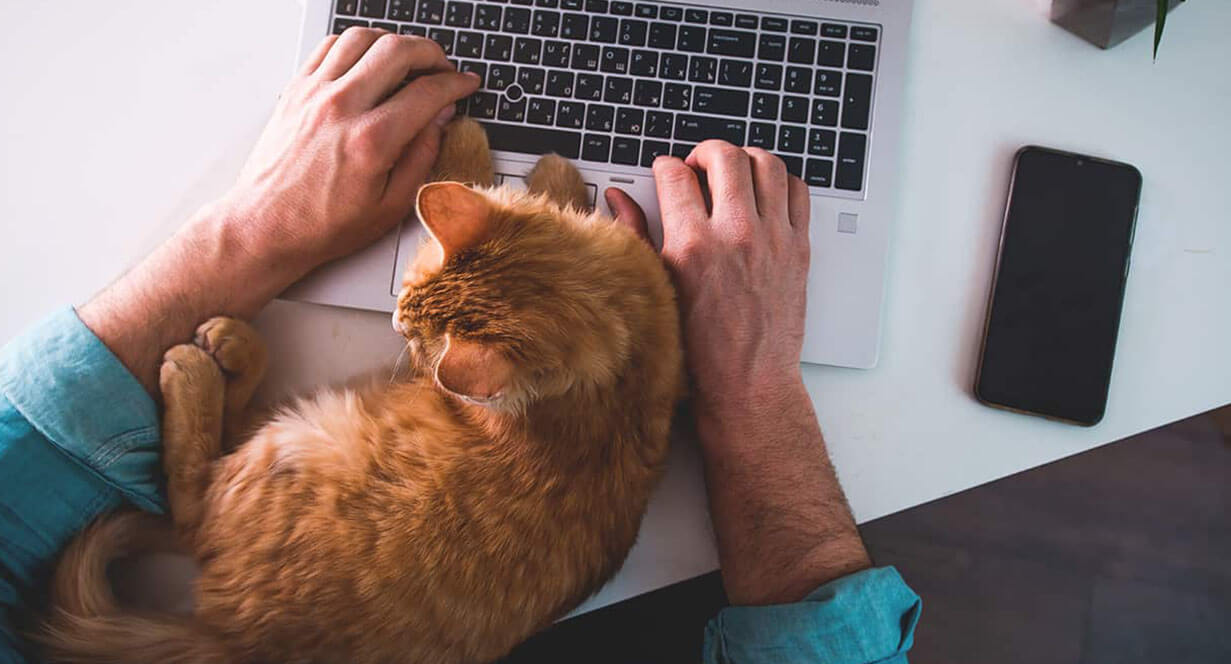
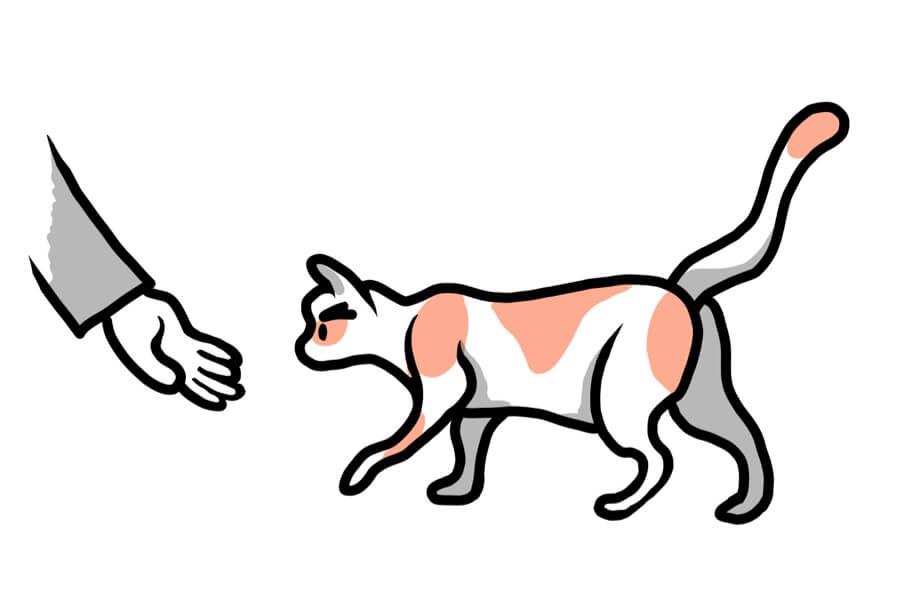
You’ve probably heard that cats are aloof, but that’s not always the case. They can be affectionate, playful and highly attached to their owners, much like a dog. It’s just that cats are at a disadvantage versus dogs because they don’t have the facial physiology that lets their canine counterparts “smile” all the time.
So, don’t be fooled — cats are not only happy, but also immensely talented at bringing joy to their humans. In the market for crazy antics one minute, soft cuddles the next? Cats are a low-risk, high-yield investment in complex personalities.
With any cat adoption, you are literally saving that animal’s life. Plus, you’re supporting the organization you adopt from, which in turn allows them to help more animals in need, so you’re basically a hero. And all these good feelings happen before you even bring your new kitty home!
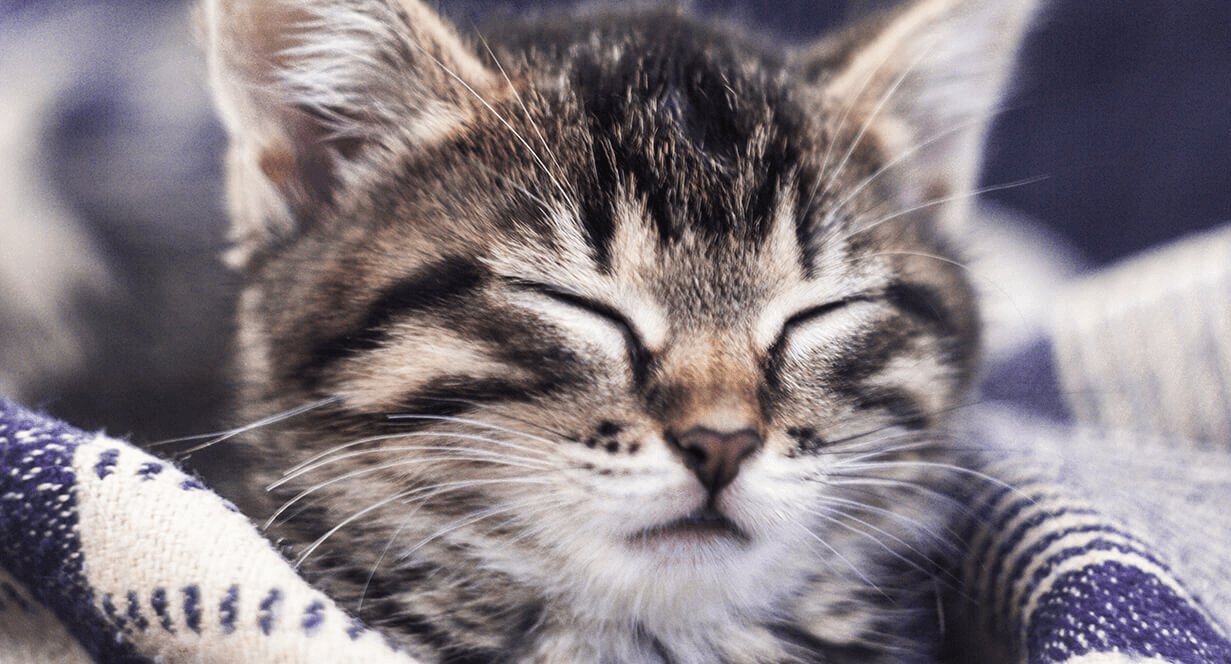
Who couldn’t use another friend? Especially one that’s a furry, adorable biscuit factory. Research shows that having a cat can reduce stress and increase confidence, and it’s hard to beat quality time with a cat for anxiety relief. Journalist Jane Pauley once said, “You cannot look at a sleeping cat and feel tense.”
Adopting a cat can be a great move for children, too. There’s no better way to nurture values such as responsibility and empathy than with a frolicky, purrmotored pal. A survey of parents found that children who had bonded with a feline friend enjoy a higher quality of life. (They wanted to survey the cats too, but there was a sunny spot on the carpet that needed to be napped in, so …)
Cats are amazing. They entertain us by defying gravity and contorting themselves into spine-twisting postures. An inquisitive meow or a nudge with their head can totally banish a bad mood. They are the perfect companion to all. If you’re thinking about adding a cute, flu'y, serotonin-boosting kitty cat, this is your sign: Do it!