Enter a keyword below to search for articles and products.
Before you assume that by-products in kitten food are a bad thing, here are some facts. In common usage, a by-product is something that is just that—a side product from the making of another product. By-products are not by definition poor quality. For instance, gingerbread cookies wouldn’t be the same without molasses, which is a by-product of sugar manufacture.
In relation to IAMS™ kitten and cat foods, by-products are generally parts of the animals that are not the muscle meat preferred by most consumers. The term refers only to the anatomic parts included, not to the nutritional quality of the parts.
While many may not be used to eating these animal parts themselves, it is important to realize that many of the items included in by-products (e.g., organ meats) may be higher in essential nutrients—amino acids, minerals, and vitamins—as well as more palatable to pets than the skeletal muscle meat.
In addition to nutritional benefits, inclusion of these ingredients in pet foods reduces waste and likely has environmental benefits as the livestock industry does not have to produce additional animals just to satisfy the needs for muscle meats to feed pets as well as people. Feeding these nutrient-rich, tasty parts to pets may prevent them from being wasted.
Much of the consumer confusion and discomfort surrounding by-products most likely stems from the marketing strategies of some pet food brands and perhaps from the ingredient name “by-product” itself.
It is important to keep in mind that most ingredients in pet foods can vary greatly in quality. In addition, quality cannot be assessed purely on the basis of the ingredient list. All by-products are not the same quality. Neither is all muscle meat. There are very high-quality by-products as well as poor-quality chicken and chicken meal.
Purchasing food only from reputable manufacturers who are very selective about their suppliers, have full-time, qualified nutritionists, and perform analytical testing to ensure that every ingredient, as well as the finished product, meets their exact nutrient specifications, will help avoid problems due to poor-quality ingredients.
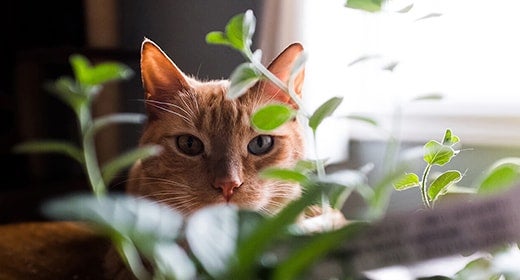
Humans aren’t the only ones affected by allergies. Like you, your adult cat can suffer from allergic reactions to any number of things in the air, on her skin and in her food. Allergies must be diagnosed and treated by a veterinarian, but first you must know what to look for.
Four of the most common types of allergies that might affect your cat are inhalant, food, contact and flea allergies.
Inhalant allergies in cats are caused by the same common allergens that affect you: dust, grass, trees, mold, pollen, ragweed and so on. They can be seasonal or persistent, and while some breeds may experience the same sniffly, sneezy symptoms humans often suffer, skin reactions are most common. Inhalant allergies can often be treated with the same medications you take, but please don’t treat your cat’s allergies without veterinary supervision.
Food allergies in cats can be the most difficult to diagnose and manage. Treatment involves a hit-or-miss approach involving a restricted diet and the gradual reintroduction of possible allergens to determine the culprit. Skin reactions to food allergies are common in cats, but frequent vomiting or diarrhea also can be a sign. Keep in mind that if your cat’s diet changes (or she just ate something she wasn’t supposed to), she may experience an episode of vomiting or diarrhea. This doesn’t necessarily mean your cat has an allergy. Watch and see if it becomes a persistent problem before scheduling a trip to the vet.
You might be surprised to learn that most cats are only vaguely bothered by fleas. But those that are allergic can suffer — and so can their owners. Contact and flea allergies generally cause skin irritation in cats and are treated topically. Cats with contact and flea allergies often chew their skin raw, leading to hair loss, odor and infection, so fastidious flea control is a must.
The most common allergy symptoms in cats are skin reactions, regardless of the cause, and they can appear at any age. Just because your cat didn’t have allergies as a kitten doesn’t mean she won’t have them as an adult. If your cat suffers from any of the following symptoms, take her to the vet for a consultation:
Allergies can vary from cat to cat, so it is important that you work with your vet to make sure your cat gets the best possible treatment. You’ll both be happier as a result.