Enter a keyword below to search for articles and products.
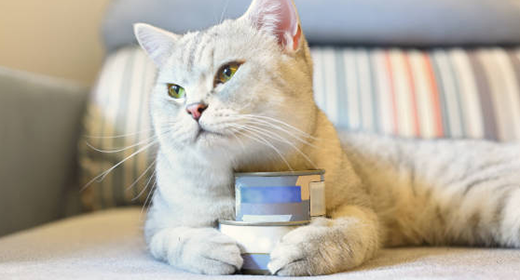
Before you assume that by-products in kitten food are a bad thing, here are some facts. In common usage, a by-product is something that is just that—a side product from the making of another product. By-products are not by definition poor quality. For instance, gingerbread cookies wouldn’t be the same without molasses, which is a by-product of sugar manufacture.
In relation to IAMS™ kitten and cat foods, by-products are generally parts of the animals that are not the muscle meat preferred by most consumers. The term refers only to the anatomic parts included, not to the nutritional quality of the parts.
While many may not be used to eating these animal parts themselves, it is important to realize that many of the items included in by-products (e.g., organ meats) may be higher in essential nutrients—amino acids, minerals, and vitamins—as well as more palatable to pets than the skeletal muscle meat.
In addition to nutritional benefits, inclusion of these ingredients in pet foods reduces waste and likely has environmental benefits as the livestock industry does not have to produce additional animals just to satisfy the needs for muscle meats to feed pets as well as people. Feeding these nutrient-rich, tasty parts to pets may prevent them from being wasted.
Much of the consumer confusion and discomfort surrounding by-products most likely stems from the marketing strategies of some pet food brands and perhaps from the ingredient name “by-product” itself.
It is important to keep in mind that most ingredients in pet foods can vary greatly in quality. In addition, quality cannot be assessed purely on the basis of the ingredient list. All by-products are not the same quality. Neither is all muscle meat. There are very high-quality by-products as well as poor-quality chicken and chicken meal.
Purchasing food only from reputable manufacturers who are very selective about their suppliers, have full-time, qualified nutritionists, and perform analytical testing to ensure that every ingredient, as well as the finished product, meets their exact nutrient specifications, will help avoid problems due to poor-quality ingredients.
Chicken is a key ingredient in IAMS™ cat food. Its protein can help maintain healthy muscle structure, and it naturally provides each of the amino acids essential to carnivorous animals. And chicken adds great taste.
Another common chicken-based ingredient is natural chicken flavor, also called chicken digest. Natural chicken flavor adds palatability and nutrients. It is high-quality protein and fat material that has been reduced to amino and fatty acids to improve taste through an enzymatic process.
Internal organs are a rich source of protein, fats, and minerals, such as iron, that are essential to cat health and they add a taste that cats enjoy. Including some ground bone provides a good source of minerals, such as calcium. Some pet food manufacturers formulate their products without such ingredients to appeal to cat owners, rather than for the health of the cats themselves. However, the nutritional needs of cats are not the same as those of humans.
Dried (meal) chicken protein sources contained in our chicken-based cat foods, such as IAMS ProActive Health™ Healthy Adult - Chicken, undergo an extra refining process and contain each of the amino acids that are essential to cats.