Enter a keyword below to search for articles and products.
Before you assume that by-products in kitten food are a bad thing, here are some facts. In common usage, a by-product is something that is just that—a side product from the making of another product. By-products are not by definition poor quality. For instance, gingerbread cookies wouldn’t be the same without molasses, which is a by-product of sugar manufacture.
In relation to IAMS™ kitten and cat foods, by-products are generally parts of the animals that are not the muscle meat preferred by most consumers. The term refers only to the anatomic parts included, not to the nutritional quality of the parts.
While many may not be used to eating these animal parts themselves, it is important to realize that many of the items included in by-products (e.g., organ meats) may be higher in essential nutrients—amino acids, minerals, and vitamins—as well as more palatable to pets than the skeletal muscle meat.
In addition to nutritional benefits, inclusion of these ingredients in pet foods reduces waste and likely has environmental benefits as the livestock industry does not have to produce additional animals just to satisfy the needs for muscle meats to feed pets as well as people. Feeding these nutrient-rich, tasty parts to pets may prevent them from being wasted.
Much of the consumer confusion and discomfort surrounding by-products most likely stems from the marketing strategies of some pet food brands and perhaps from the ingredient name “by-product” itself.
It is important to keep in mind that most ingredients in pet foods can vary greatly in quality. In addition, quality cannot be assessed purely on the basis of the ingredient list. All by-products are not the same quality. Neither is all muscle meat. There are very high-quality by-products as well as poor-quality chicken and chicken meal.
Purchasing food only from reputable manufacturers who are very selective about their suppliers, have full-time, qualified nutritionists, and perform analytical testing to ensure that every ingredient, as well as the finished product, meets their exact nutrient specifications, will help avoid problems due to poor-quality ingredients.
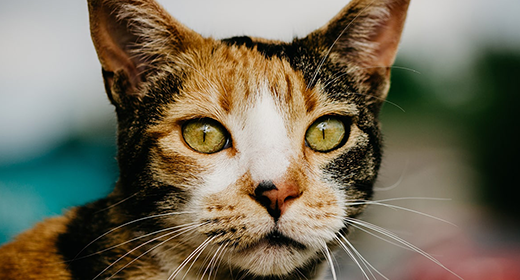
Antioxidants are good for your cat because they play a key role in minimizing damage to cells, including cells of the immune system.
These important, naturally occurring nutrients help maintain health by slowing the destructive oxidative process of cellular molecules. They also can be important in supporting immune responses and vaccine recognition in cats. This may be especially critical for kittens that are being vaccinated while their immune system is still developing.
Additionally, antioxidants can reverse decreases in immune-cell function for senior cats, increasing them back to healthy adult levels.
Antioxidants are nutrients found naturally in the body and in plants such as fruits and vegetables. Common antioxidants include vitamin C, vitamin E and certain compounds called carotenoids (including lutein and beta-carotene). A blend of several antioxidants in moderate amounts may be more effective than high levels of one antioxidant.
As cells function normally in the body, they produce damaged molecules called free radicals. These free radicals are highly unstable and steal components from other cellular molecules, such as fat, protein or DNA, thereby spreading the damage.
This damage continues in a chain reaction, and entire cells soon become damaged and die in a process called peroxidation. Peroxidation is useful because it helps the body destroy cells that have outlived their usefulness and kills germs and parasites. However, when left unchecked, peroxidation also destroys or damages healthy cells.
Antioxidants help prevent widespread cellular destruction by willingly donating components to stabilize free radicals. More importantly, antioxidants return to the surface of the cell to stabilize rather than damage other cellular components.
When there are not enough antioxidants to hold peroxidation in check, free radicals begin damaging healthy cells, which can lead to problems. For example, free radical damage to immune cells can lead to an increased risk of infection.
Because antioxidants play a key role in minimizing damage to cells, such as those that make up the immune system, recent research examined the benefits of certain antioxidants on the immune response of cats. The results of these studies indicated that antioxidants are important in helping cats maintain a healthy immune system.
The research also showed that each antioxidant benefits the immune system uniquely, so one antioxidant at high levels is not as effective as a group of antioxidants acting together.
Antioxidant | Source | Function |
Vitamin E | Plant oil extract, tocopherols | Optimizes immune system’s T-cell activation |
Beta-carotene | Vitamin premix, corn meal, chicken by-product meal and chicken fat | Optimizes types of cells present in the blood, increases antibody levels in the blood and optimizes vaccine recognition |
Recent research also examined the effect of aging on immune responses. The findings indicate that as cats age, immune cell responses may decline. Including antioxidants in your cat’s diet can help reverse the age-related decrease in immune cell function, returning it to healthy adult levels.