Enter a keyword below to search for articles and products.
This article is part of a series on how to spot signs of a healthy cat. You can learn more about the key signs here.
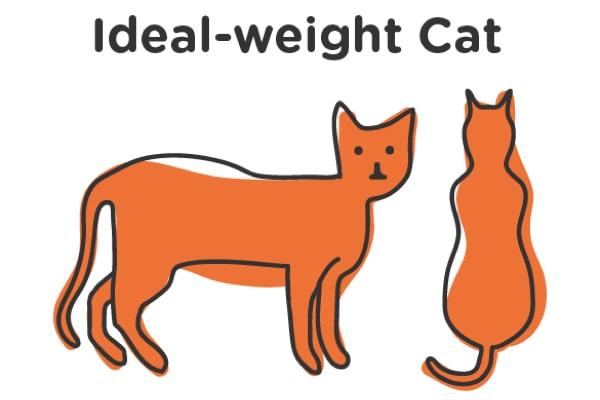
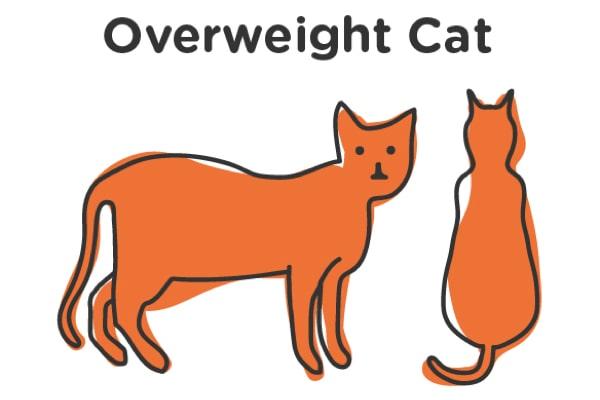
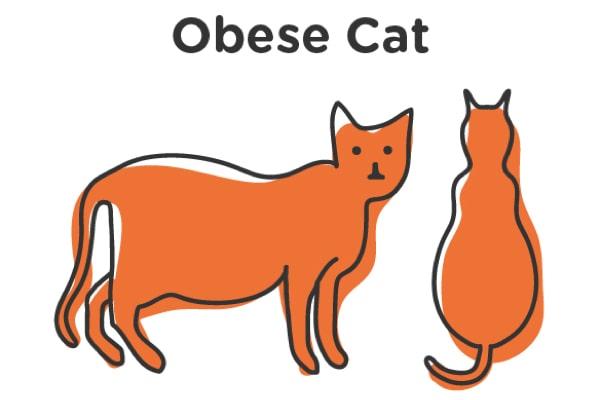
Assessing your cat’s body condition is an important step in evaluating their overall nutritional well-being. Particularly in cases where your cat appears to be obese or thin, it is important to evaluate their total health before consulting a vet for a proper nutritional management program. Look for the following signs that your cat is overweight, underweight or just the right size.
Thin Cat
Underweight Cat
Ideal-weight Cat
Overweight Cat
Obese Cat
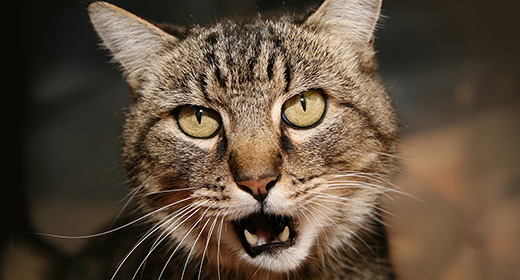
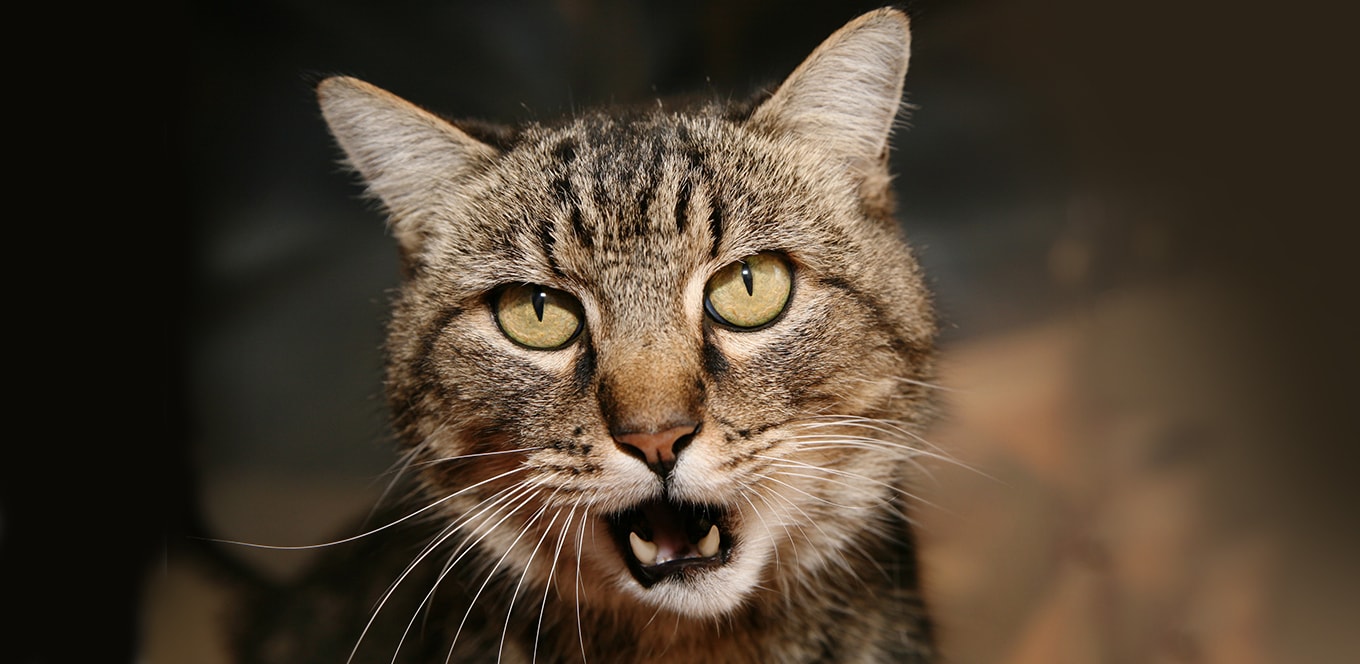
Listen up, Mom or Dad, because your feline definitely has something to say. Cats use more than 100 different vocal sounds to communicate. Here are nine of the most common sounds you’ll hear and what your cat’s unique language means.
While your cat’s purrs are usually a sign that they’re happy, comfortable or content, it’s important to point out that your cat might also purr when they are anxious, agitated or sick — because purring soothes them. The key to figuring out if it’s a “worry purr” is to check if their ears are folded back, if they seem tense or if they just aren’t acting normal. (If that’s the case, call the vet and grab the cat carrier.)
Why do cats meow? It’s simple: It’s their way of communicating with us!
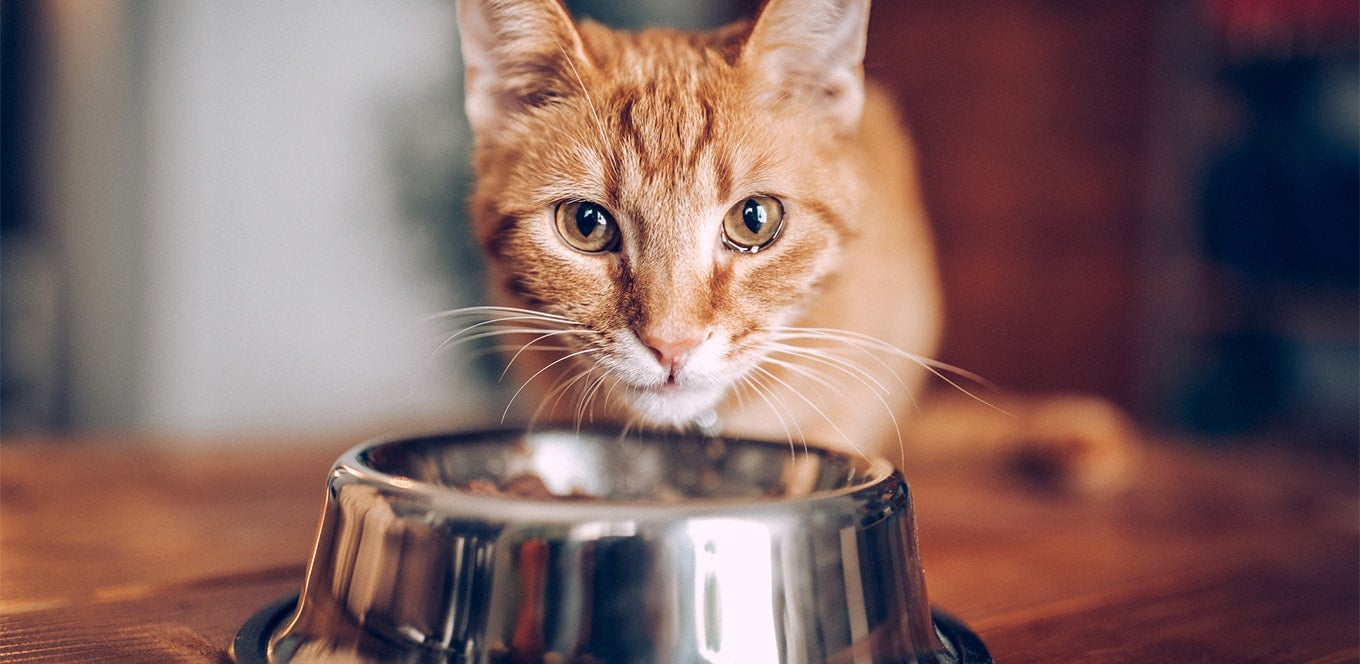
Meows are your cat’s most common “word,” and every one means something different. For example, your cat might meow to greet you when you come home, to ask you to open your bedroom door so they can curl up on your pillow, or to say, “I’d like some more tasty kibble or a second serving of IAMS® PERFECT PORTIONS™ paté, s’il vous plaît.”
Chirps and trills are the loving language of cat mothers. Chirps, or chirrups, are staccato, bird-like sounds mother cats use to say to their kittens, “Follow me.” Trills are higher-pitched chirps your cat uses to say hello or “Pay attention to me.” When your cat directs these sounds at you, chances are they want you to give them some love or follow them somewhere, usually to their food or water bowl. (Shocker, LOL.)
If you have more than one feline fur baby, listen closely. You’ll likely hear your cats talk to each other with these sounds.
When your kitty spies an unsuspecting bird or squirrel frolicking outside the window, they might make a chattering sound at it. This distinctive, repetitive clicking noise is caused by a combination of lip smacking and your cat rapidly vibrating their lower jaw. This odd behavior looks like teeth chattering, and a lot of cats also chirp when they chatter.
This clickety sound is thought to be a mix of predatory excitement and frustration at not being able to get to the elusive feathered or furry prize. Some animal behaviorists even think the sound mimics a fatal bite used to break the bones of their prey. Who knew your li’l feline was so ferocious?!
Regardless of the exact reason cats chatter or chirp at birds and other small animals, most feline parents find it fascinating and amusing to watch.
The unmistakable sound of a cat hissing is like a steak hitting a hot skillet, and it can only mean one thing: Your cat feels threatened and will put up a fight if they have to. Just as important as the hissing sound, however, is the cat body language that comes with it. Your cat will flatten their ears, arch their back, puff their fur, twitch their tail and usually open their mouth to flash their fangs — aka the classic defensive pose.
In addition to a hiss, if your cat makes a deep, guttural growlsound, they’re saying, “Back off.” Similar to a dog’s growl, this noise means your cat is annoyed, scared or angry. Some cats even make short, higher-pitched snarl sounds before launching into a full-blown growl.
While these sounds usually signify an unhappy cat, it’s important to note that some cats growl because they’re in pain from an injury or a health problem. If you suspect this is the case, a trip to the vet is in order.
If your feline snarls or growls at you for any reason, though, it’s best to leave your feisty friend alone.
A yowl, or howl, is a long, drawn-out meow that almost sounds like moaning; it’s your cat’s way of telling you they’re worried or distressed, or that they need you. They might have gotten locked in a closet, can’t find you anywhere or, heaven forbid, have discovered their food bowl is empty. Your cat might also yowl when they don’t feel well or when a new neighborhood cat trespasses on their turf.
Whatever the reason, make sure you immediately help your cat whenever you hear a yowl. Trust us — you’ll both be glad you did.