Enter a keyword below to search for articles and products.
Our cat food products contain animal-based proteins that provide all the essential amino acid requirements for cats. In addition, special refining and quality assurance tests ensure that we only use high-quality, highly digestible protein sources for increased digestibility.
Cats, best fed as true carnivores, require essential nutrients that aren't found in plant proteins such as soybean meal. For example, cats require taurine, which can only be found in animal-based proteins.
There are two important types of fatty acids for cats, omega-6 and omega-3 fatty acids. Omega-6 fatty acids, found in chicken fat and corn, are essential for maintenance of skin and coat and proper membrane structure. Omega-3 fatty acids are found in ingredients such as canola, fish meal or fish oil, and flax. Omega-3 fatty acids have been shown to be important in blood clotting and in managing inflammation, among other things. All of our products contain sources of omega-6 and omega-3 fatty acids.
IAMS™ research has shown that including omega-6 and omega-3 fatty acids in a ratio between 5:1 to 10:1 provides for optimal skin and coat condition in dogs. All of our products contain an adjusted omega-6:omega-3 fatty acid ratio between 5:1 to 10:1.
IAMS research has shown that moderately fermentable fiber, such as beet pulp, enhances intestinal health. The fermentable part of the fiber is broken down by intestinal bacteria to provide short-chain fatty acids, an energy source for intestinal cells. The non-fermentable component provides bulk for normal feces.
Using only highly fermentable fibers can cause problems, such as excess gas, while using only non-fermentable fibers, such as peanut hulls, promotes excess stool volume, because they are of no nutritional value.
All of our products, including IAMS ProActive Health™ Adult Original with Chicken, contain a patented fiber system of moderately fermentable fiber to help keep dogs’ and cats’ digestive systems healthy.
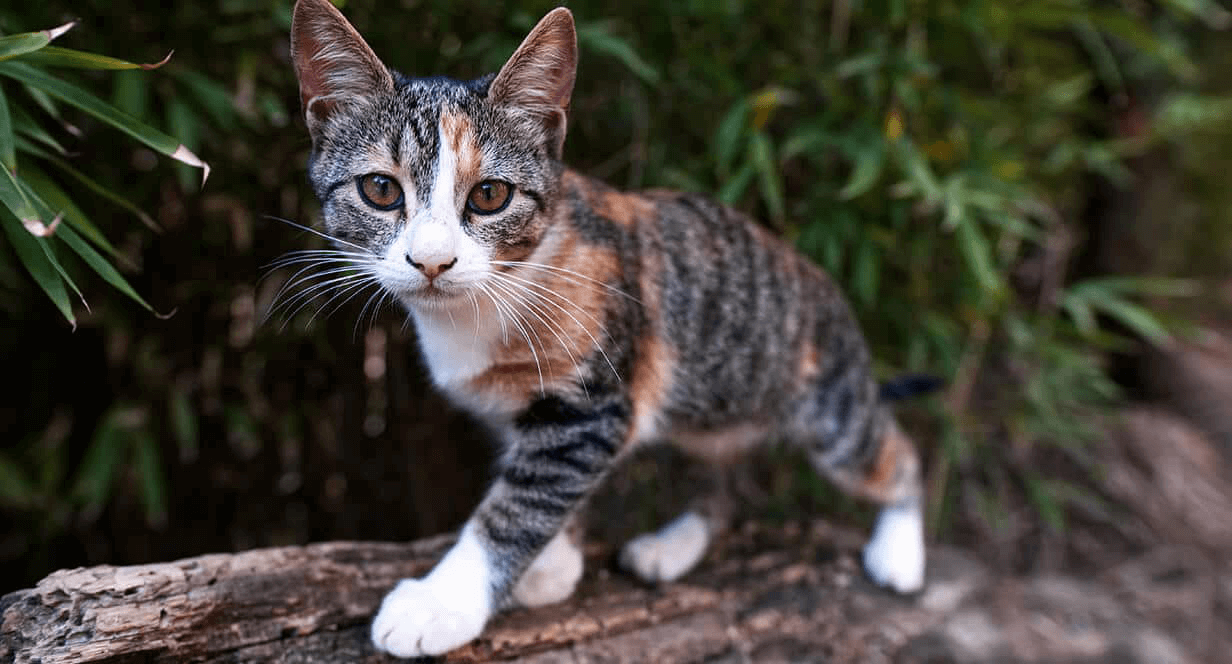
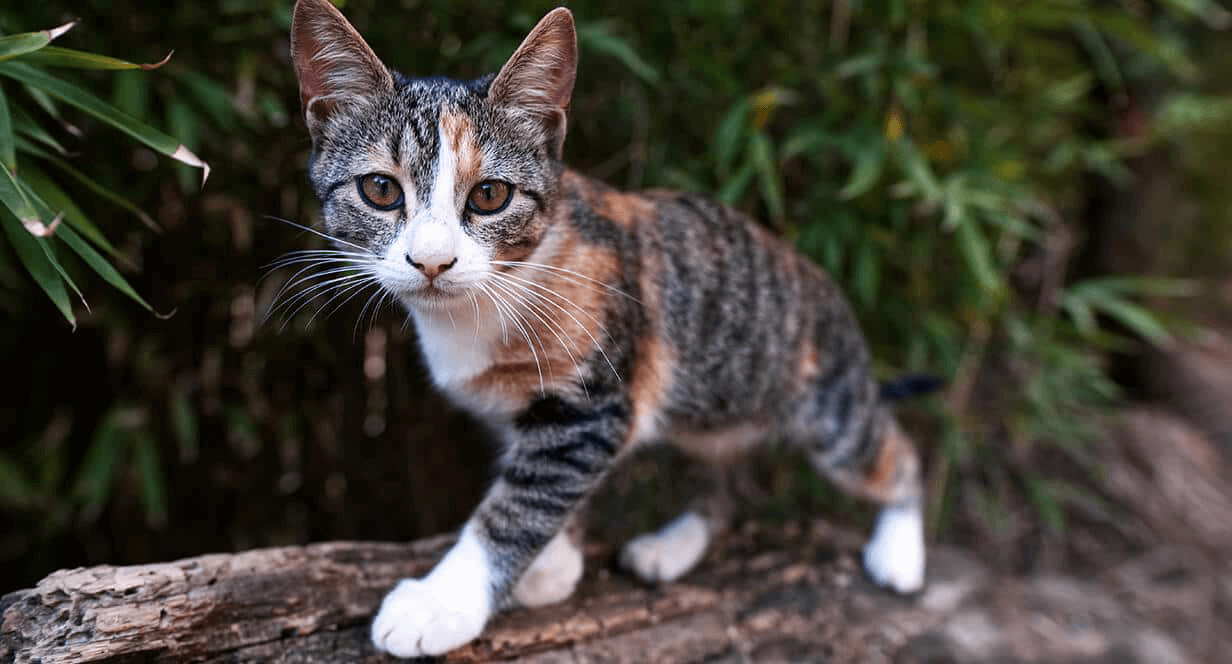
Is anything cuter than an adorable kitten with a gorgeous, healthy coat? We don’t think so. That’s why we include fish oil in IAMS™ dry kitten food to help promote healthy skin and a healthy coat for your furry bundle of joy.
Let’s dive deeper into fish oil and meal, what it does, how it can help your kitten and why it’s an important component in all IAMS™ dry kitten foods.
Let’s dive deeper into fish oil and meal, what it does, how it can help your kitten and why it’s an important component in all IAMS™ dry kitten foods.
You guessed it: Fish oil is fat or oil extracted from fish. Fish meal, which is used in IAMS™ dry kitten foods, is a good source of natural fish oil — which is a high-quality source of omega-3 fatty acids.
Now, time for a science lesson! Fatty acids, a smaller component of fat, are critical for many kitten body functions. Omega-3 fatty acids are a type of fatty acid with important nutritional value for kittens. Fish oil from deep, cold-water fish contains omega-3 fatty acids including eicosapentaenoic acid (EPA) and docosahexaenoic acid (DHA).
When a kitten eats food with fatty acids, the fatty acids are incorporated into their tissues, including the skin. (Turns out you really are what you eat!) Omega-3 fatty acids produce substances that promote healthy skin conditions, especially when balanced with omega-6 fatty acids (found in common kitten food ingredients such as chicken fat and corn oil).
So what does all this mean for your kitten? Feeding a complete and balanced diet with a balanced ratio of omega-6 and omega-3 fatty acids is proven to promote healthy skin and a shiny coat in cats1. Studies reveal that when fed fish oil, cats show:
DHA from fish oil has also been shown to promote healthy brain and vision development in kittens — important for all the hours of play and nighttime zoomies your kitten will experience in their lifetime.
All IAMS™ dry kitten foods, such as IAMS™ ProActive Health™ Mother And Kitten, are formulated with fish oil and an optimal ratio of omega-3 and omega-6 fatty acids. Proper nutrition as a kitten can help support your kitten’s soft and shiny coat now — and for all the years to come.
1 Data on file, The IAMS™ Company, 2000.