Enter a keyword below to search for articles and products.
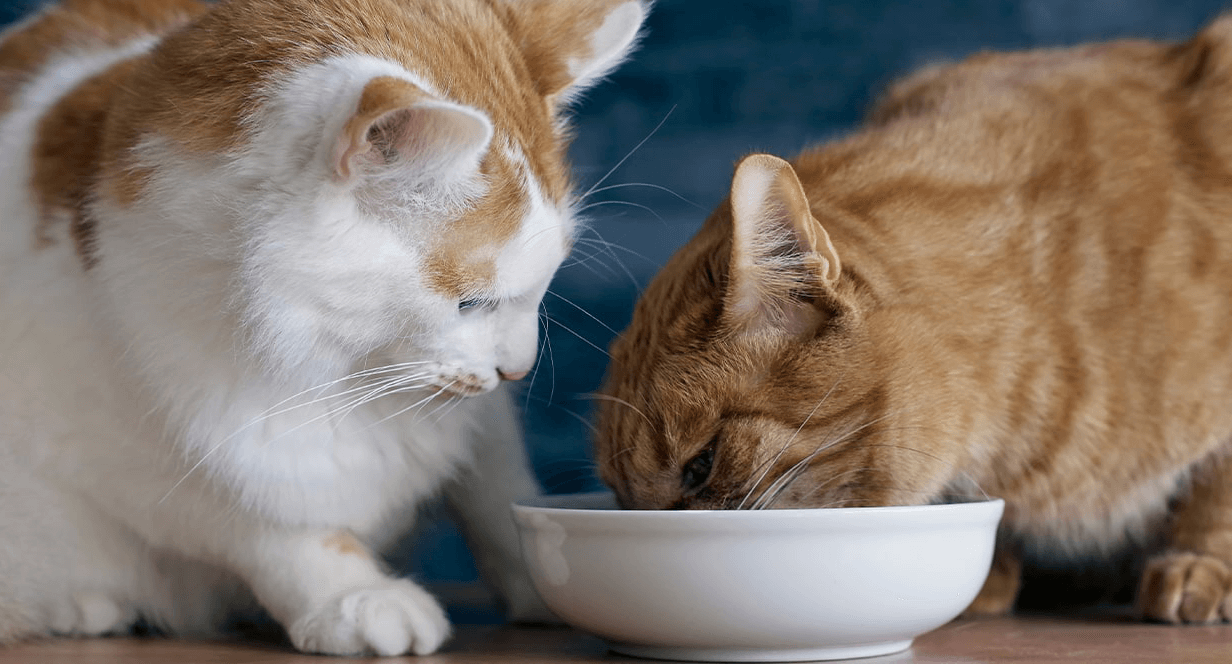
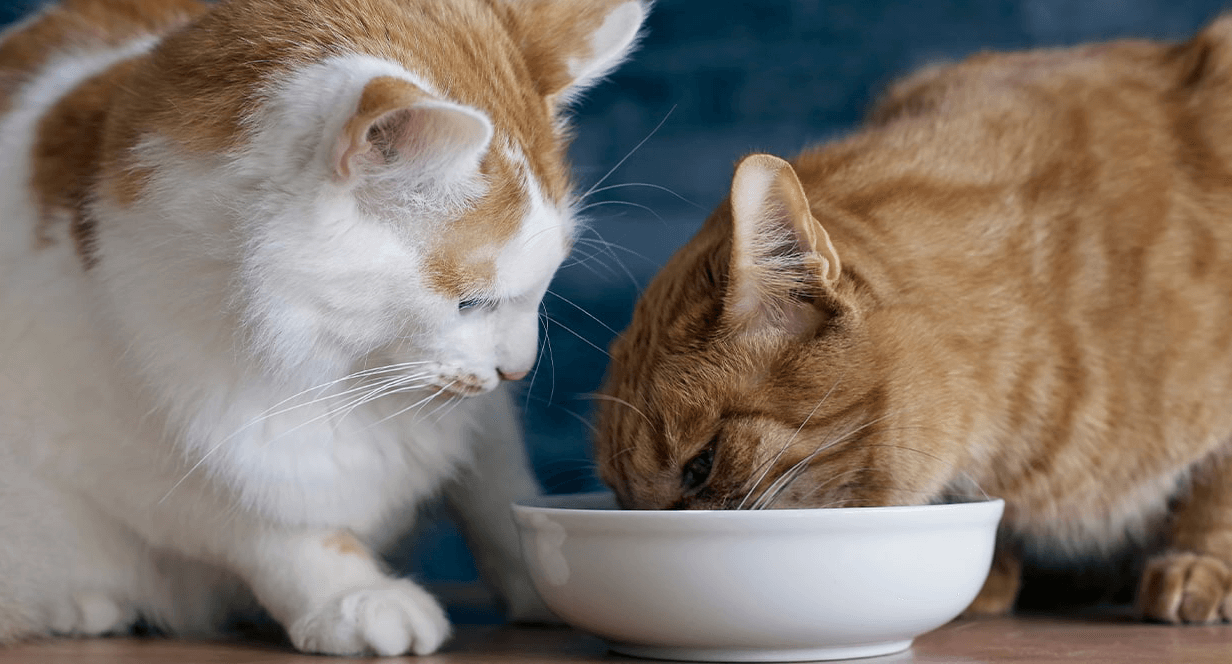
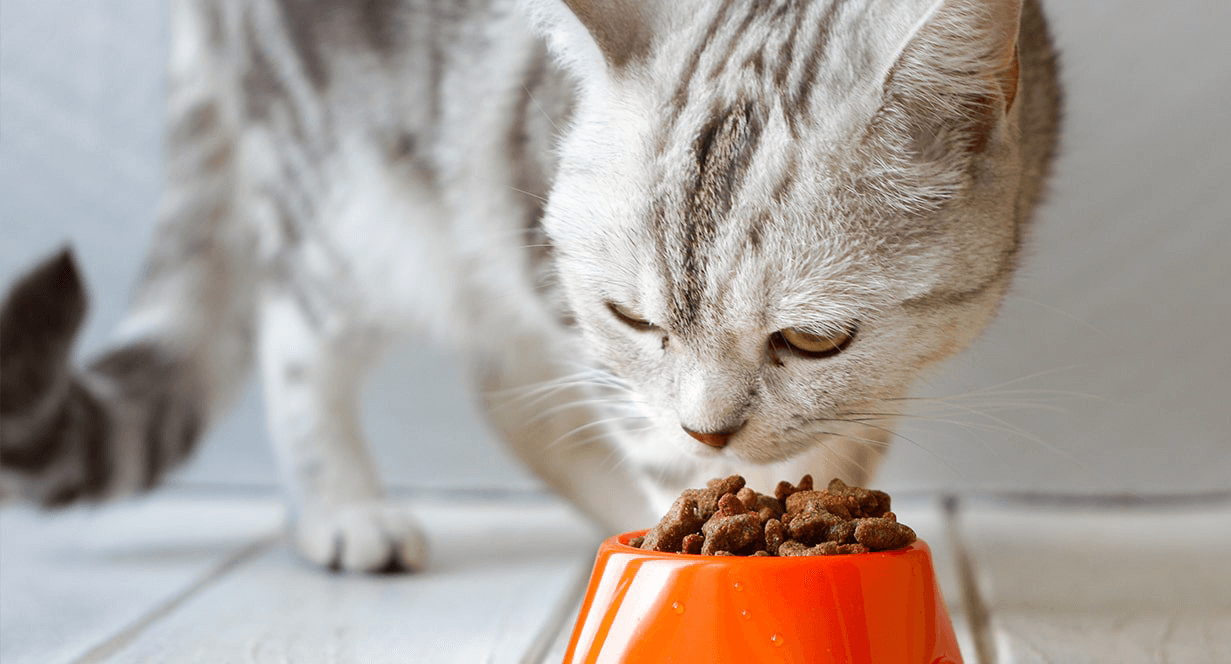
The only thing better than owning a cat is owning more than one cat. While a multiple-cat household means additional snuggles and cuddles, it can also mean a little extra work when it comes to mealtime. Fear not! We’ve assembled this tasty buffet of tips to help make sure all your feline companions get the proper amount of food and nutrition.
Similar to their humans, cats’ diets vary for a number of reasons.
Now, how can you make sure each cat is eating the right food come suppertime?
Make any changes to your cats’ diets gradually over the course of several days. This will help reduce stomach issues or requests to “speak with the manager.”
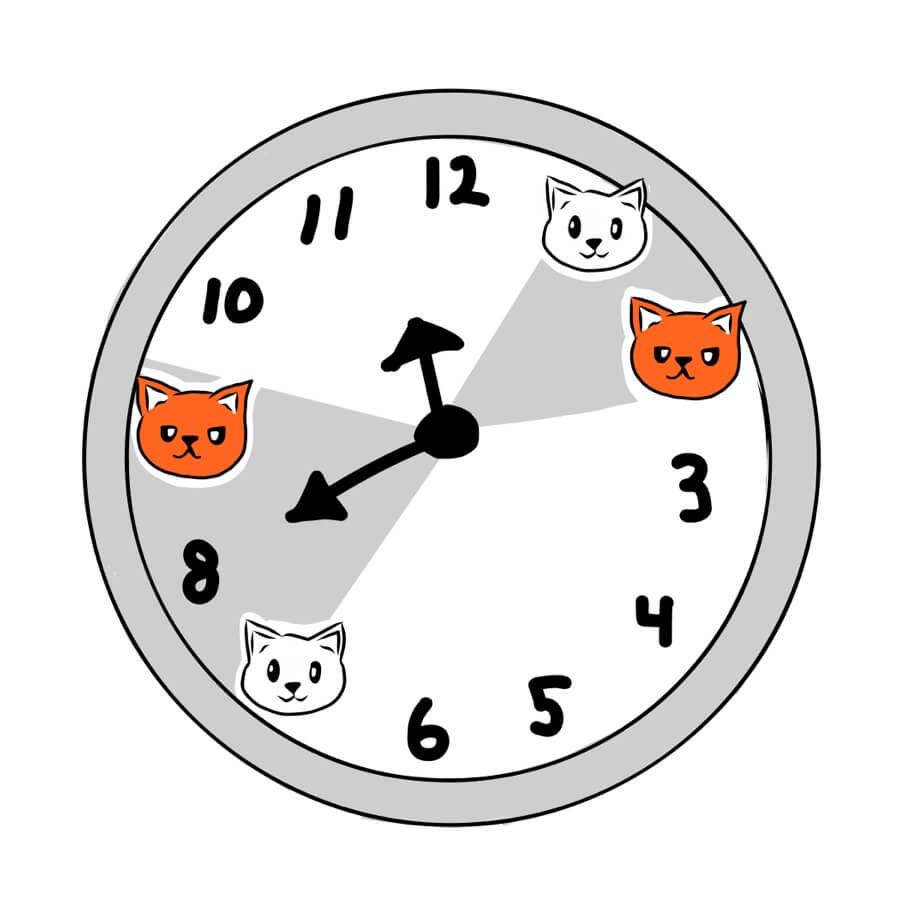
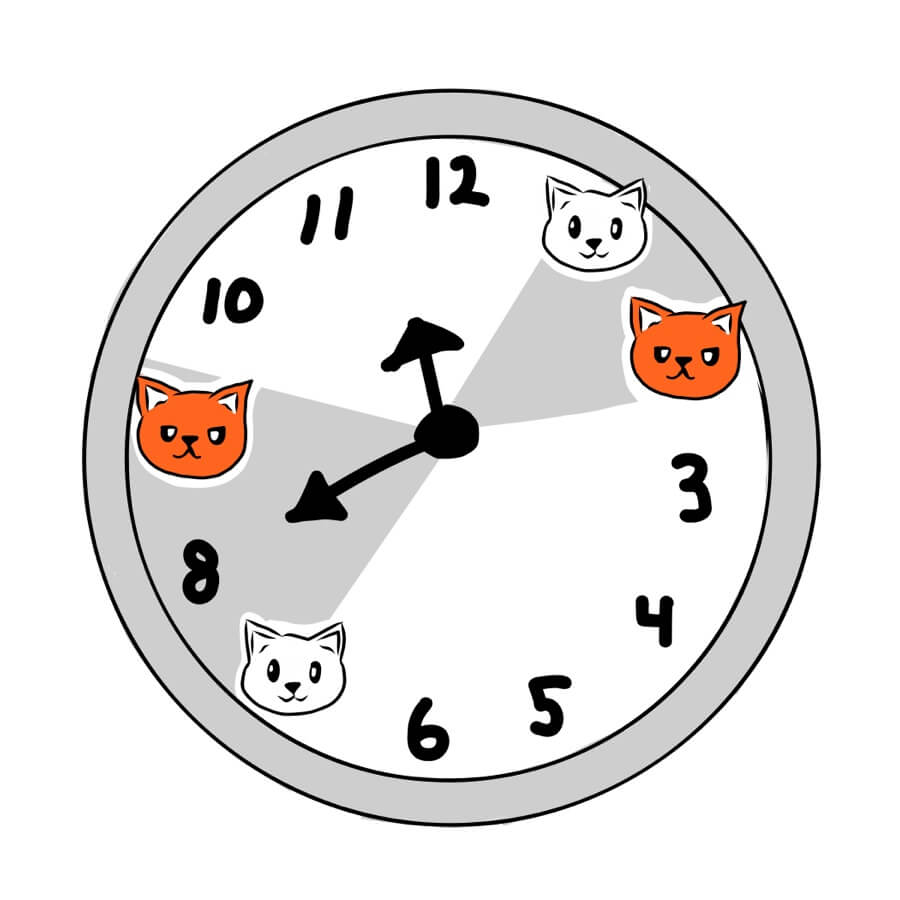
Instead of setting up a 24-hour buffet, schedule regular times for dining. This helps ensure your cats are hungry when it’s time to eat and won’t steal from anyone else’s dish throughout the day.
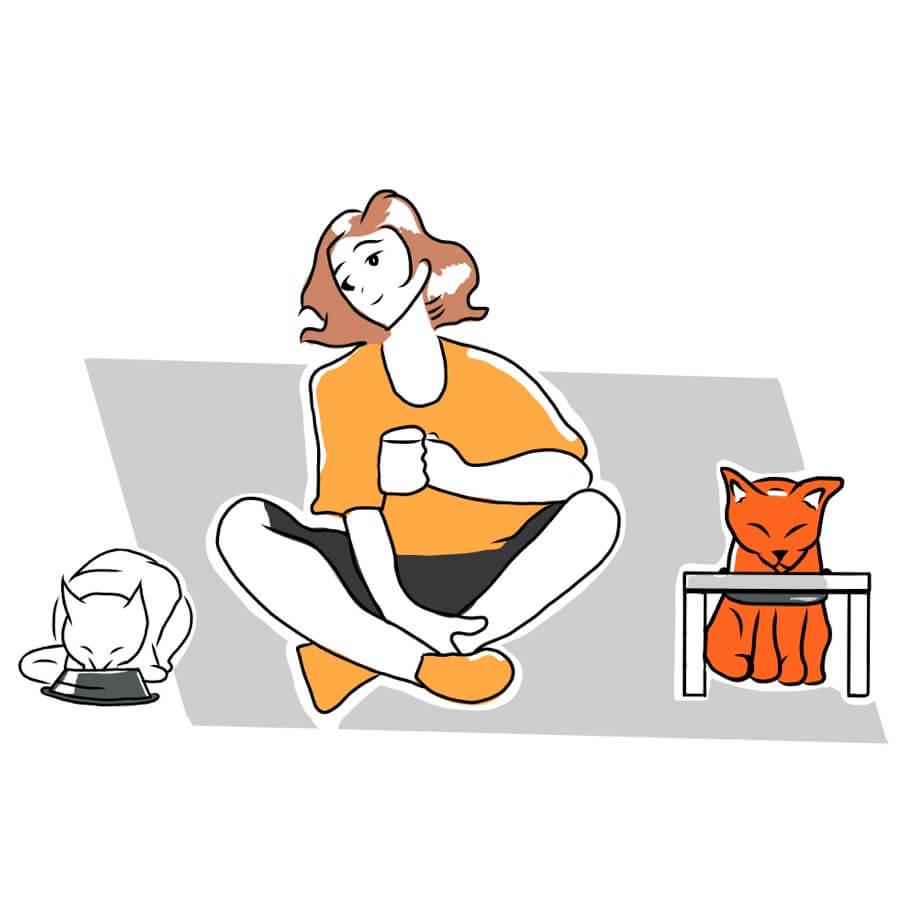
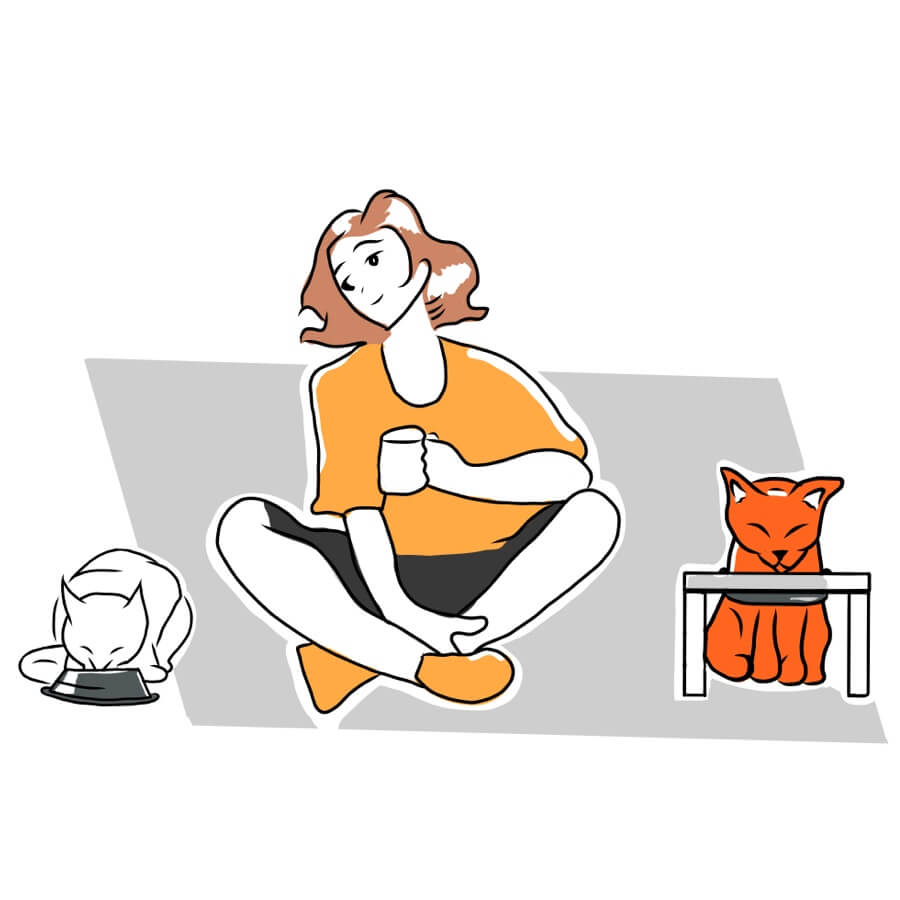
The best way to prevent fights over food or other eating issues is to keep an eye on your cats when you feed them. You’ll be certain everyone is getting a proper meal, and you’ll get some extra time to hang out together.
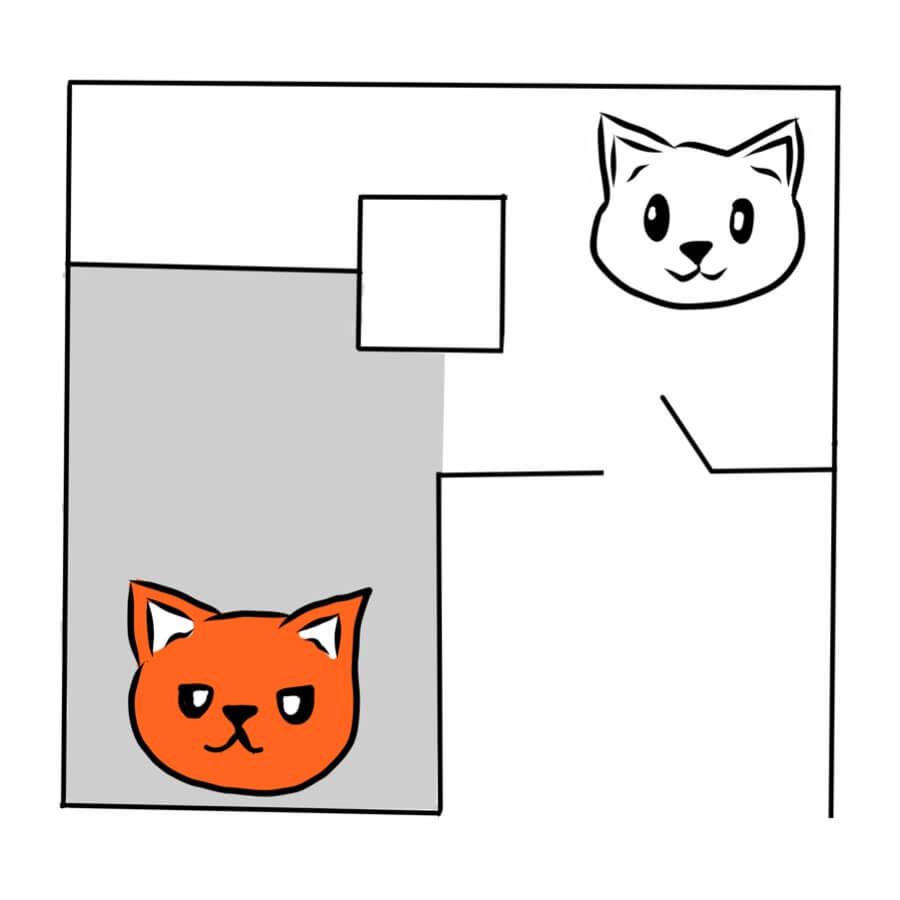
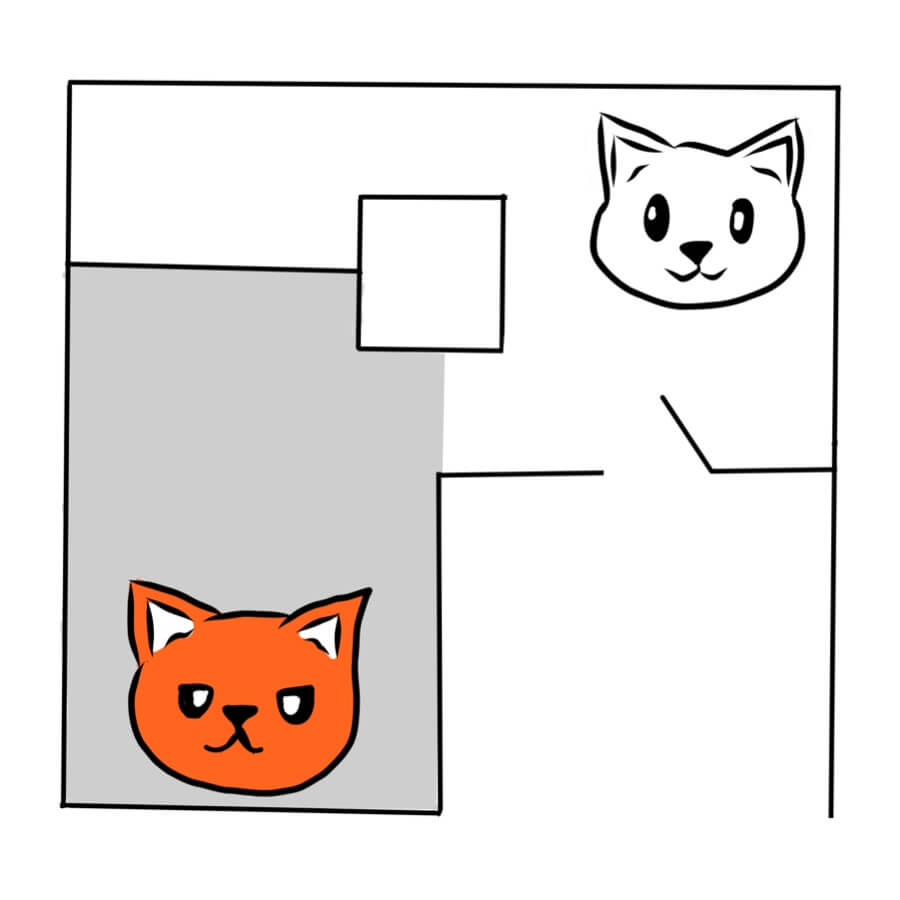
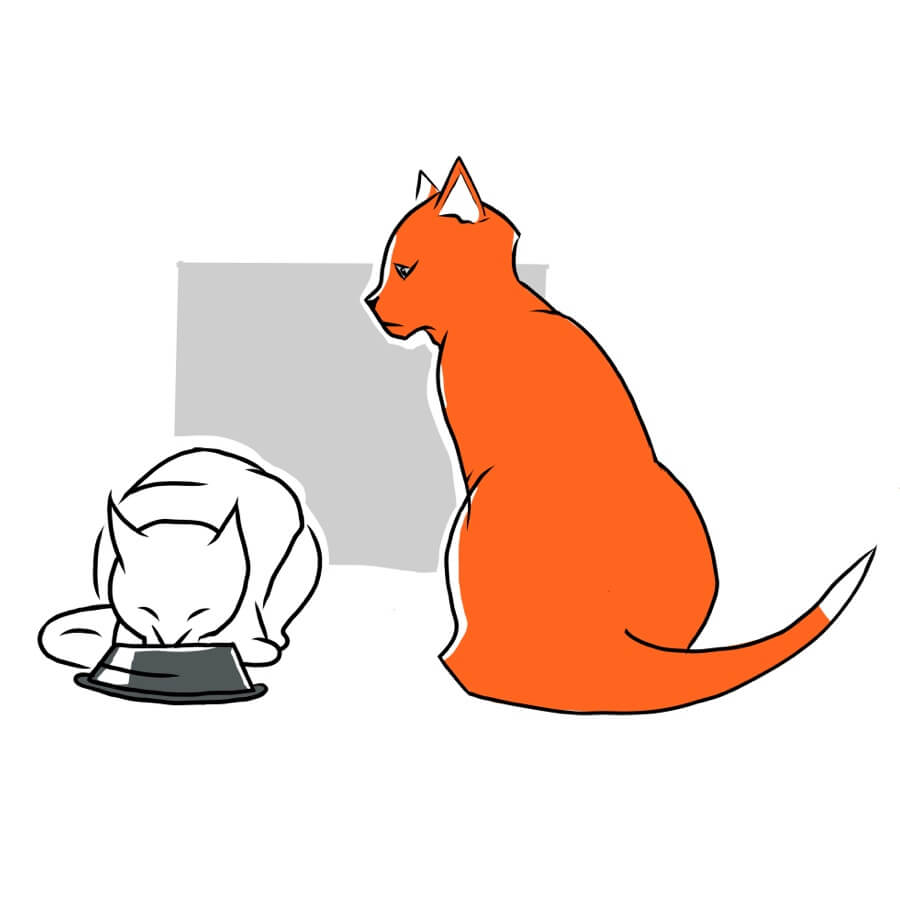
Try feeding each cat in a different room, putting their food bowls far apart or separating eating spaces with a barrier like a baby gate, trash can or chair.
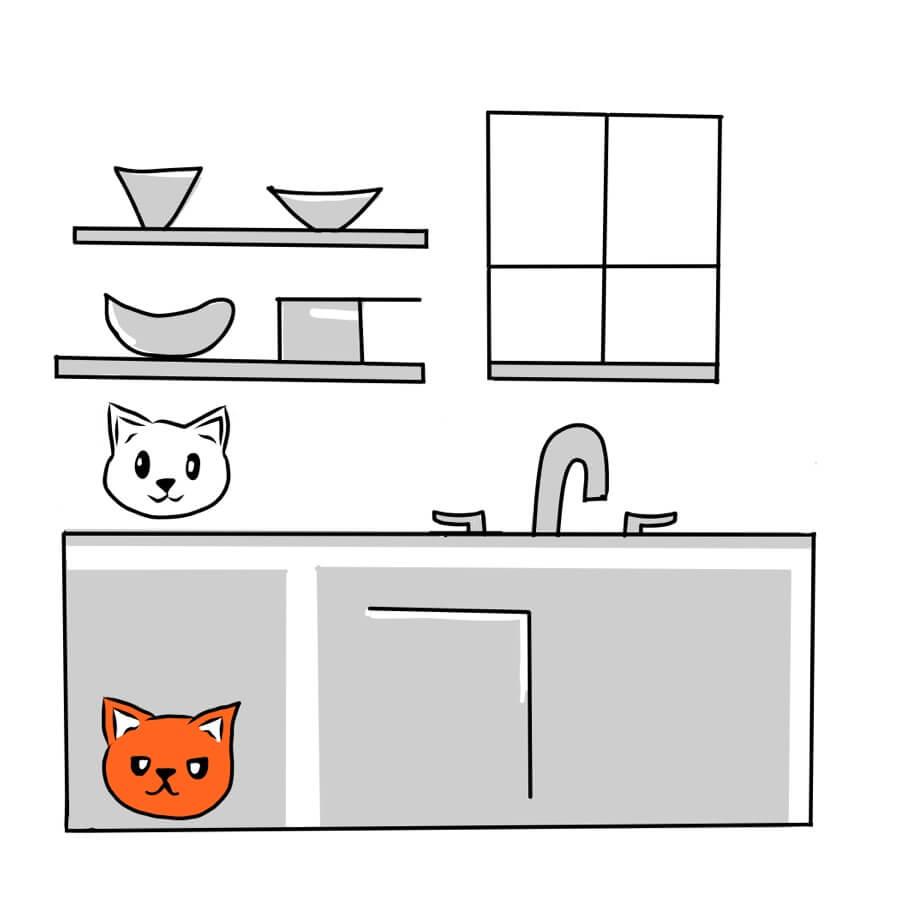
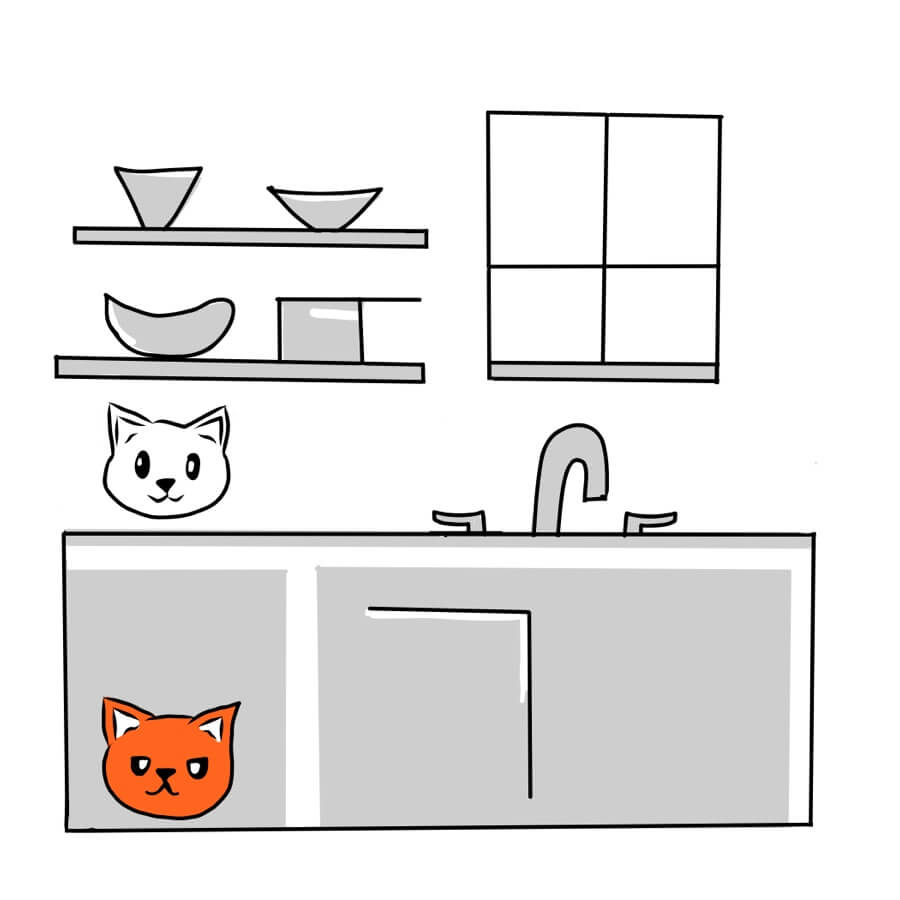
Another option is to put one cat’s meal on the floor and the other’s on a countertop. This works well if one of your cats is older or heavier and can’t make the leap.
Your furry friends might not take to these changes immediately, but kind words, your ongoing affection and judicious use of treats will go a long way toward having them accept a new mealtime routine.

Understanding and learning how to decipher kitten food product codes will help you choose the right kitten food. While selecting the right ingredients is important, making sure those ingredients are fresh is just as vital to your young cat. Learn how to read the product codes of kitten food packages and cans with our handy guide.
A product code is a series of numbers and letters printed on the outer package of each product a manufacturer produces. This code provides information about when and where the kitten food was made.
As part of the product code, IAMS™ products include a “Best Used By” date, or the date at which the product is no longer considered fresh and should no longer be sold. This date is expressed in “ddmmyy” and “ddmmmyy” formats.
The second line of the product code represents company internal information for use in traceability and inventory control.
Line 1: (ddmmyy) (ddmmmyy)
Example: 040220 04FEB20
Line 2: 60351111## QQQQQQQ
This product should be used before February 4, 2020.
Depending on the production line, pouch products* may have code date information in a single or double line. By recognizing and understanding these codes, customers can make sure they are receiving a fresh product.
Shelf life is the duration, measured in months, during which a properly stored kitten food product maintains its freshness. This means if a product has a 16-month shelf life, it is fresh for up to 16 months from the date of manufacture.
The shelf life for IAMS dry kitten foods is 16 months. All canned formulas have a shelf life of 24 months.
Unopened dry kitten food products are best stored off the floor in a cool, dry place. Open bags of kitten food should be stored in a clean, dry container with a tight seal. Dry kitten food products may also be frozen without loss of nutrients.
Opened wet kitten food products are best kept refrigerated in tightly sealed containers for no more than three days after the container has been opened. Wet products should not be frozen in unopened cans. However, wet kitten foods can be frozen if removed from the container, packed in freezer containers and frozen immediately.
*IAMS has no kitten pouch products at this time.