Enter a keyword below to search for articles and products.
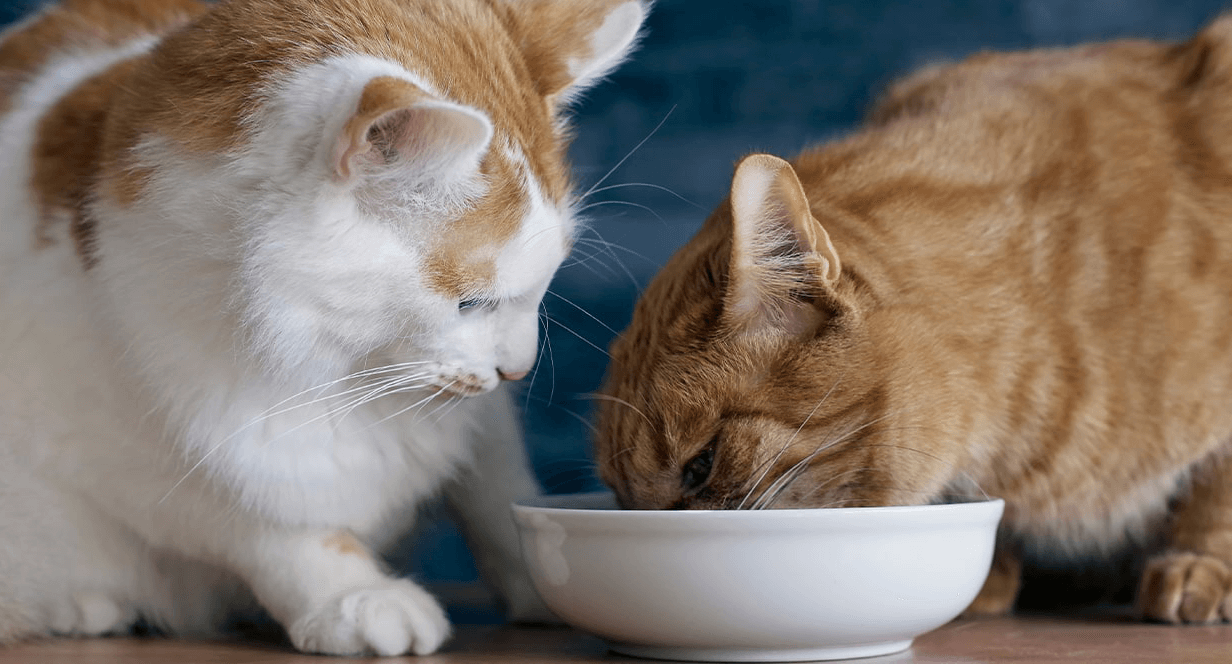
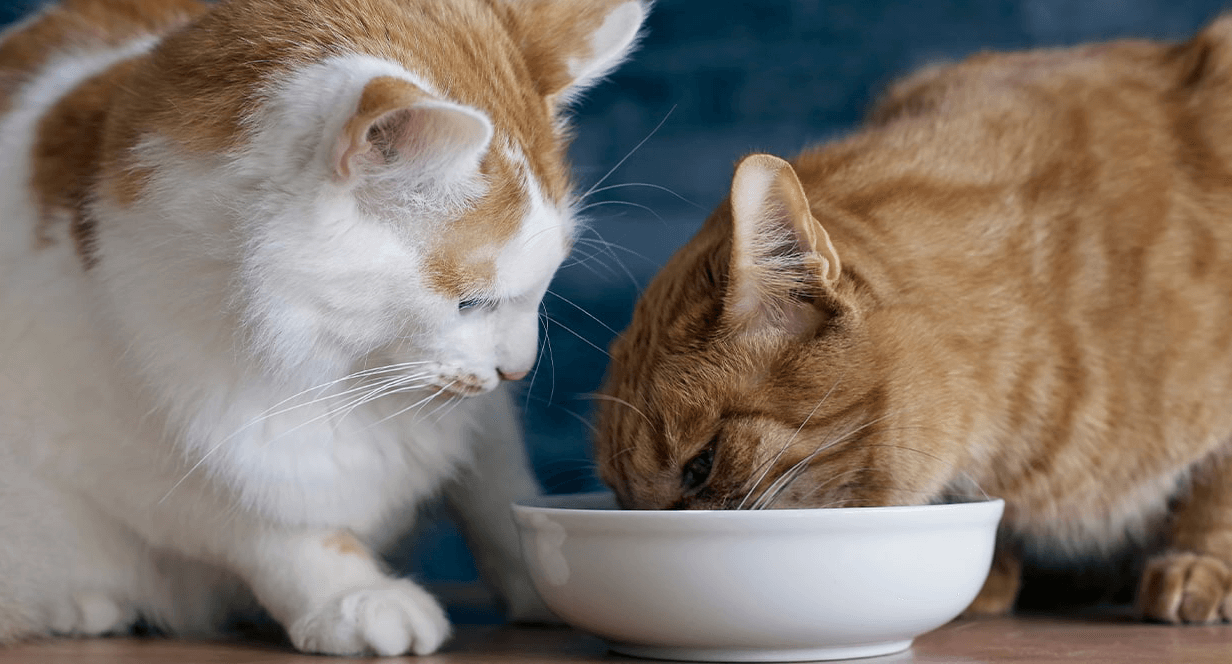
The only thing better than owning a cat is owning more than one cat. While a multiple-cat household means additional snuggles and cuddles, it can also mean a little extra work when it comes to mealtime. Fear not! We’ve assembled this tasty buffet of tips to help make sure all your feline companions get the proper amount of food and nutrition.
Similar to their humans, cats’ diets vary for a number of reasons.
Now, how can you make sure each cat is eating the right food come suppertime?
Make any changes to your cats’ diets gradually over the course of several days. This will help reduce stomach issues or requests to “speak with the manager.”
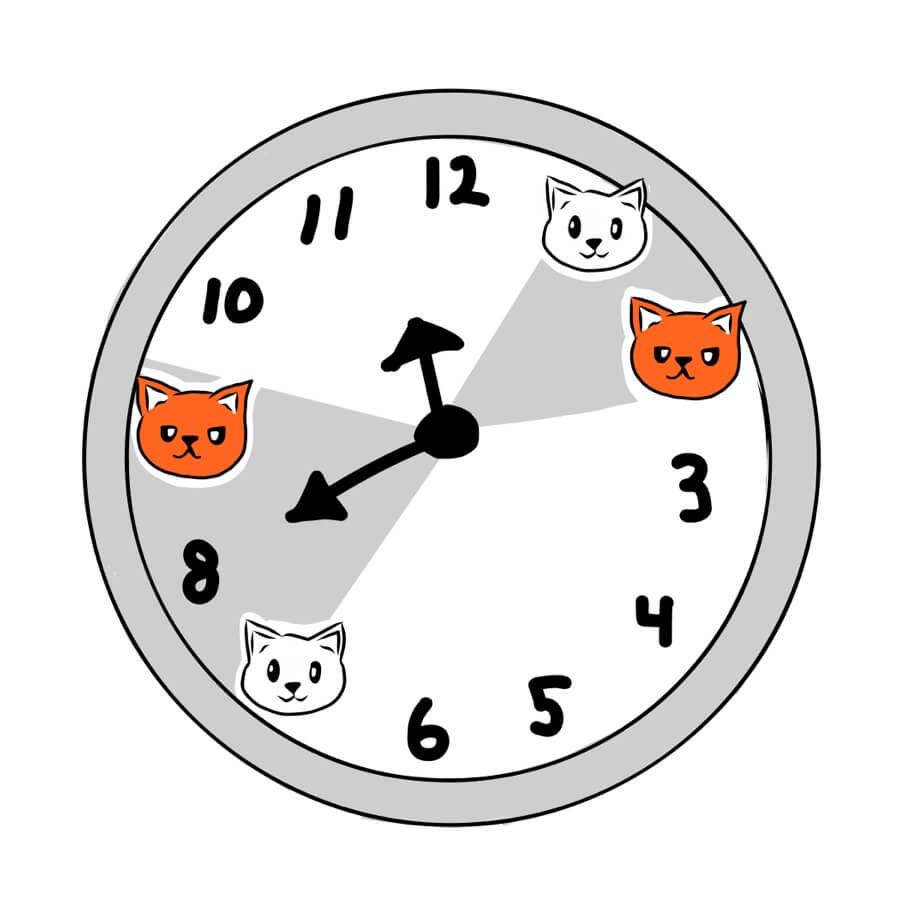
Instead of setting up a 24-hour buffet, schedule regular times for dining. This helps ensure your cats are hungry when it’s time to eat and won’t steal from anyone else’s dish throughout the day.
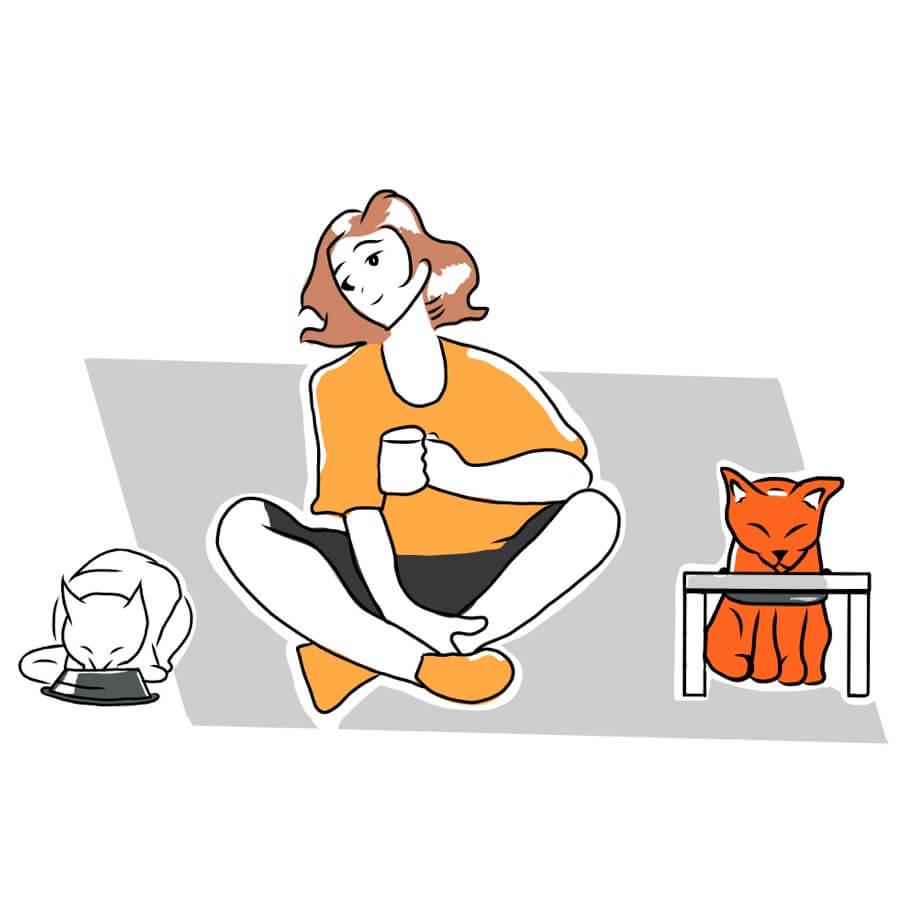
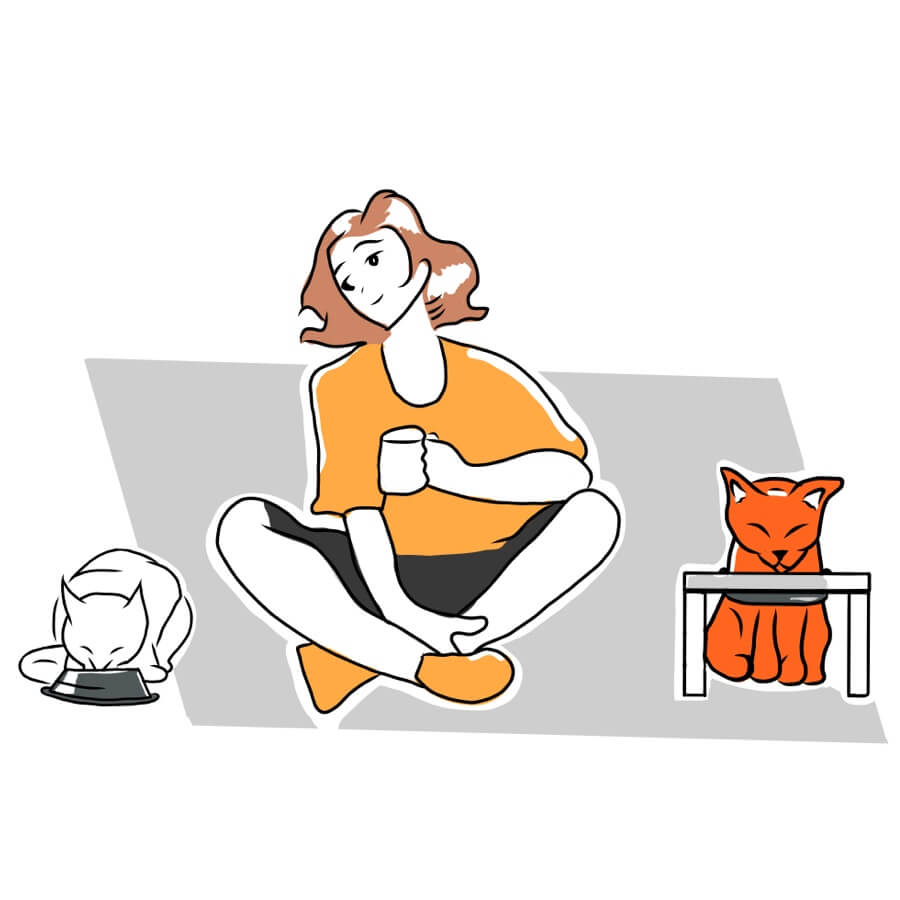
The best way to prevent fights over food or other eating issues is to keep an eye on your cats when you feed them. You’ll be certain everyone is getting a proper meal, and you’ll get some extra time to hang out together.
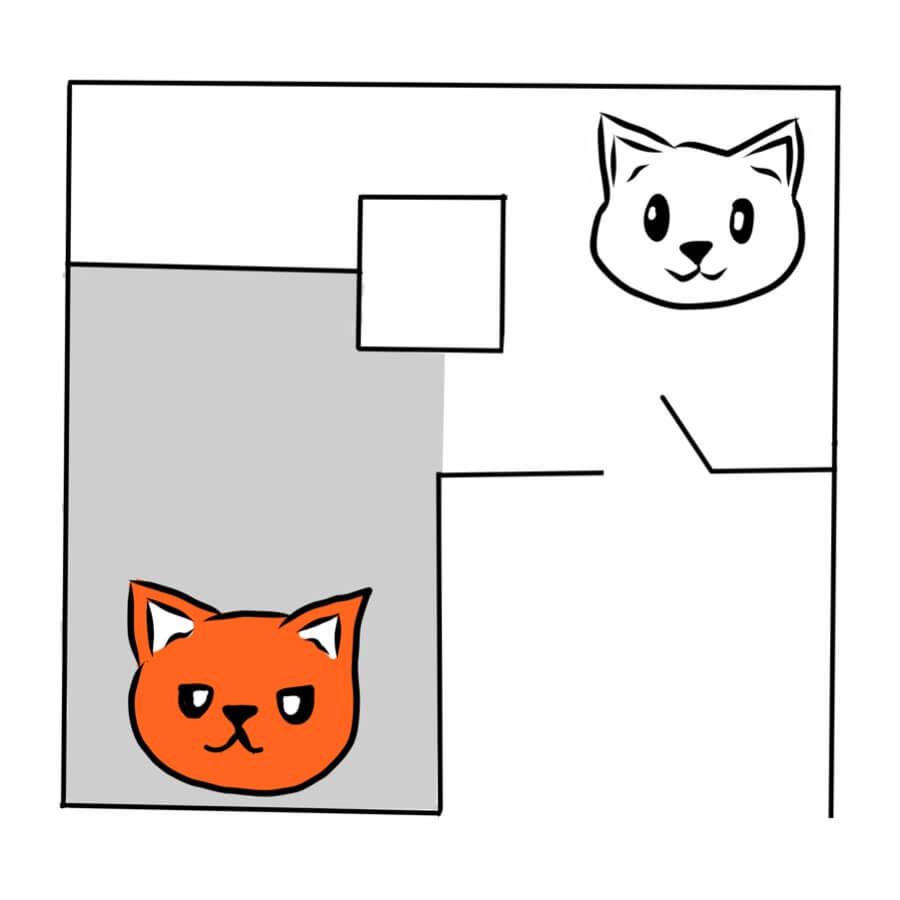
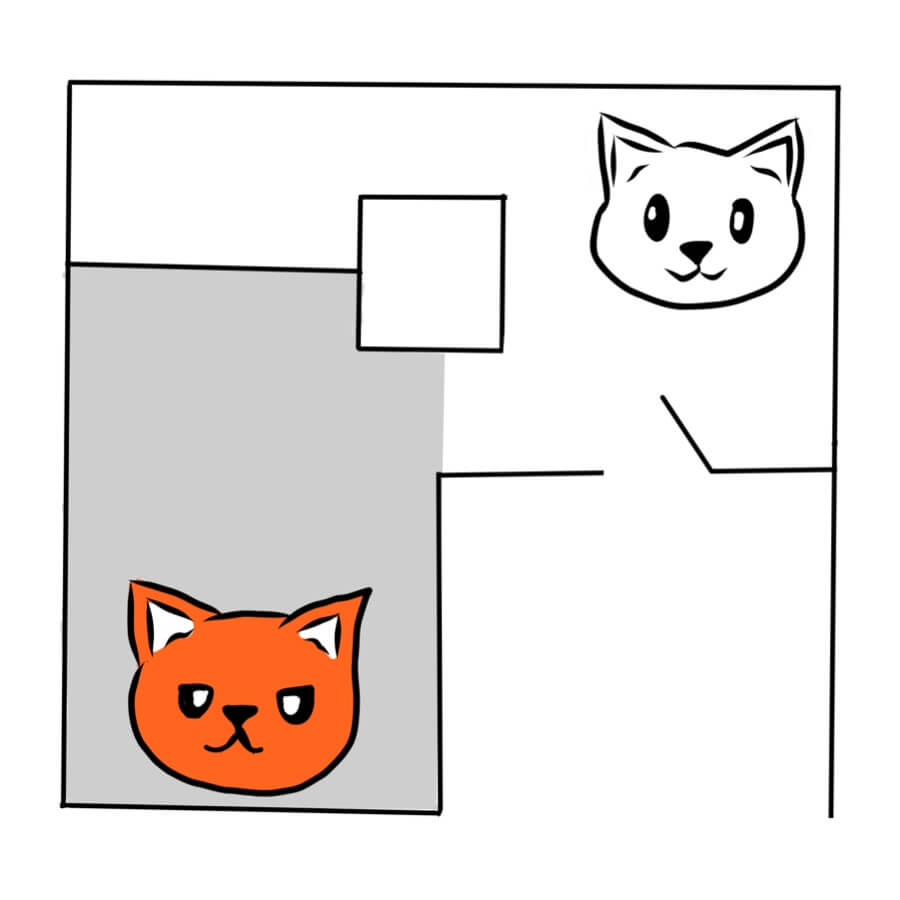
Try feeding each cat in a different room, putting their food bowls far apart or separating eating spaces with a barrier like a baby gate, trash can or chair.
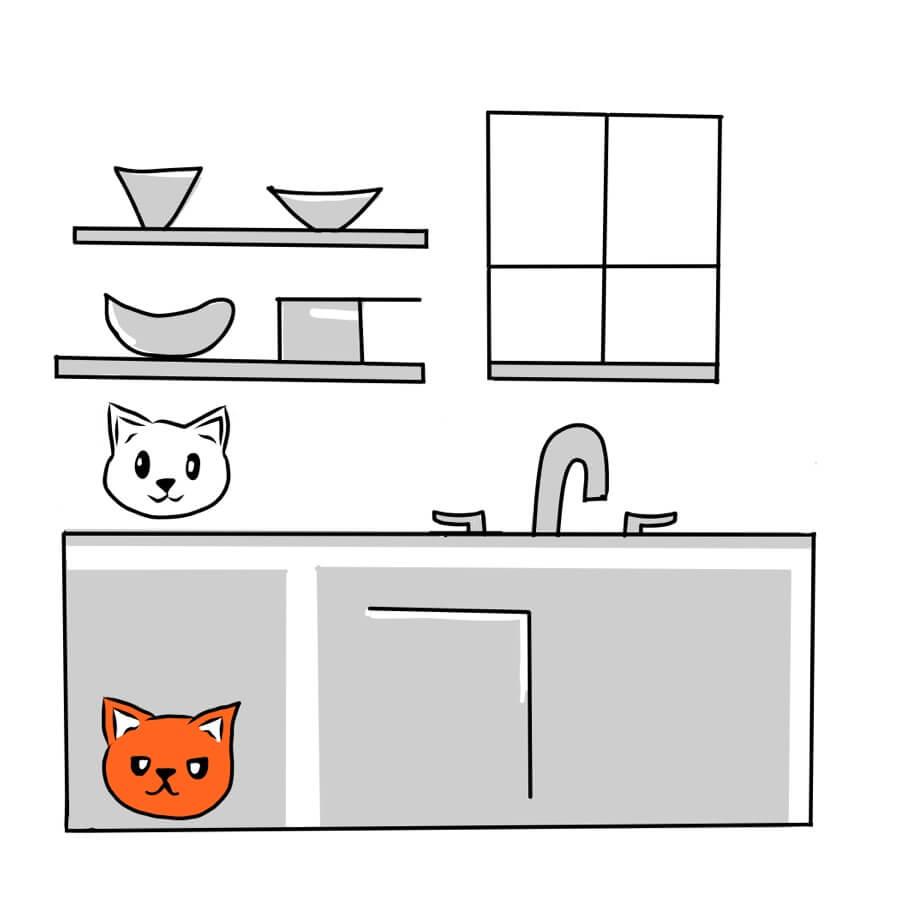
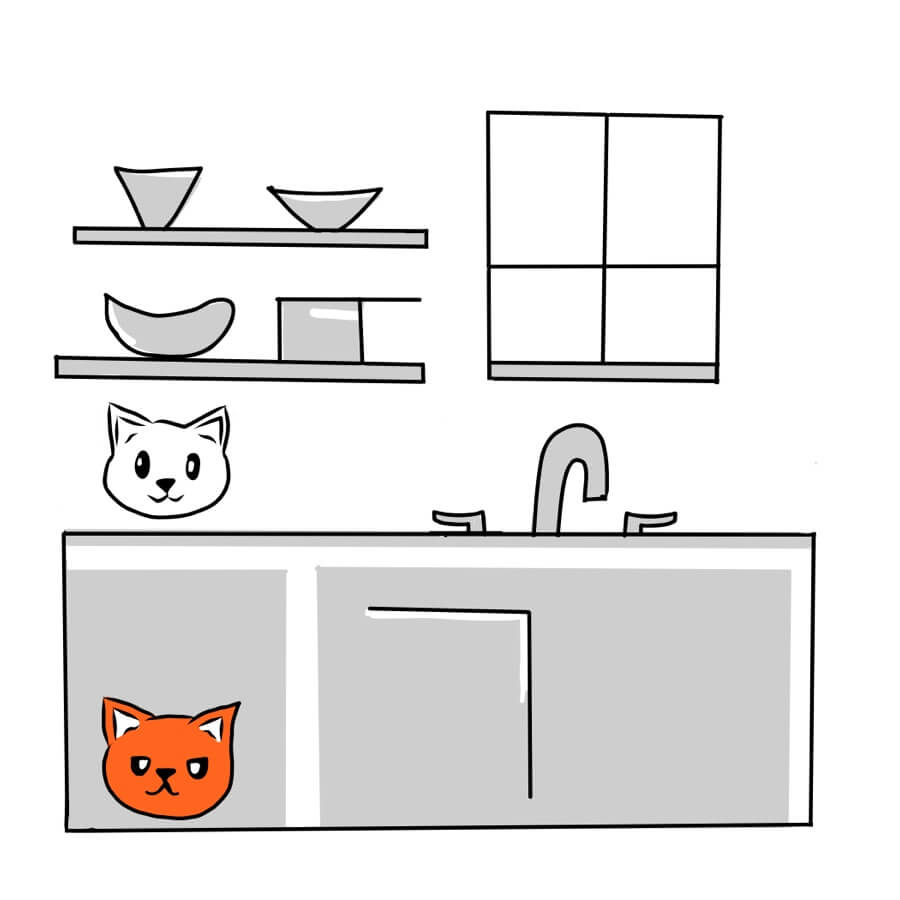
Another option is to put one cat’s meal on the floor and the other’s on a countertop. This works well if one of your cats is older or heavier and can’t make the leap.
Your furry friends might not take to these changes immediately, but kind words, your ongoing affection and judicious use of treats will go a long way toward having them accept a new mealtime routine.


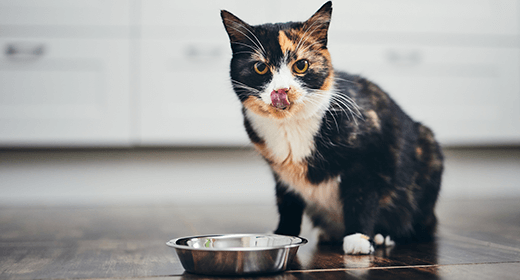
Cats are known for being a bit choosey about what they will and won’t do. And a little pickiness is fine when it comes to picking out toys and napping spots! But if your cat is or becomes extra-selective about what they’ll eat, it’s time to pay attention and perhaps talk to your vet. You and your vet know your cat best, so it’s always worth checking in if you think your cat isn’t eating enough and want their professional advice.
Start by paying close attention to what your cat is eating and how they behave. This information will help you, your household and your vet work together to make sure your cat is living and eating well.
Is your cat begging for table scraps or holding out on eating until you offer treats? Extras like these can be very disruptive to your cat’s appetite and diet. Think about them like snacks or desserts for you — tasty cravings that are easy to fill up on. A small portion may not seem like much, but it can make a big different for a cat-sized digestive system!
Try dialing back how much you treat your cat to tasty extras and see if their interest in the food bowl starts to return. Remember, it’s generally all right for cats to skip a few meals, but if they haven’t eaten for 24-36 hours it’s time to call the vet (even if they’ve continued drinking water).
Humans often crave variety in their meals, but for cats, routine is king. It’s not likely they’d avoid their regular food out of boredom with it, but if you’ve recently changed the kind of food, the number of feedings or the times you feed your cat, they may be avoiding eating as a response.
It's a good idea to change your cat’s diet gradually (unless your vet advises otherwise). Pickiness can often be resolved by helping your cat adjust and get comfortable with their updated diet!
If your cat starts eating less, you may want to look for factors that could be causing stress. Seemingly unrelated changes to their environment can shift your cat’s stress levels enough to impact their interest in food. Has another animal or person joined or left the household? Has your cat been adapting to new surroundings due to a move or renovation? As the stress of that change begins to subside, your cat will probably go back to a normal diet.
Talk to your vet about good ideas for reducing your cat’s stress levels and share any concerns you have about their diet then too. You’re both on the same team, so work together to help your cat feel better!