Enter a keyword below to search for articles and products.
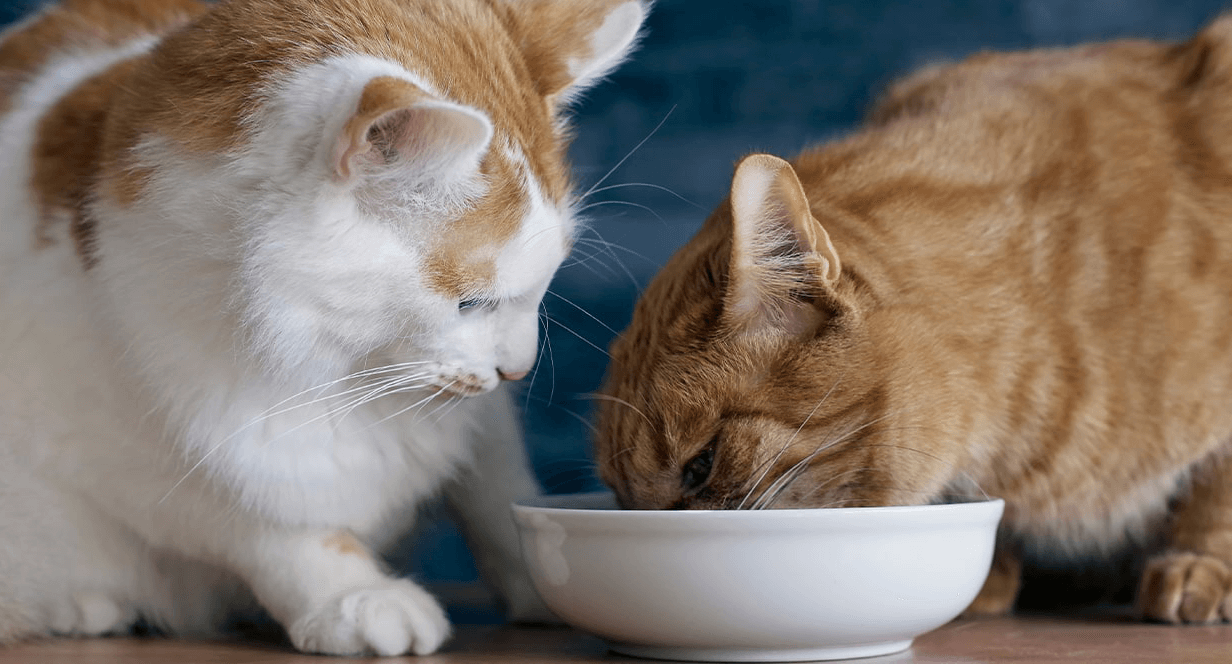
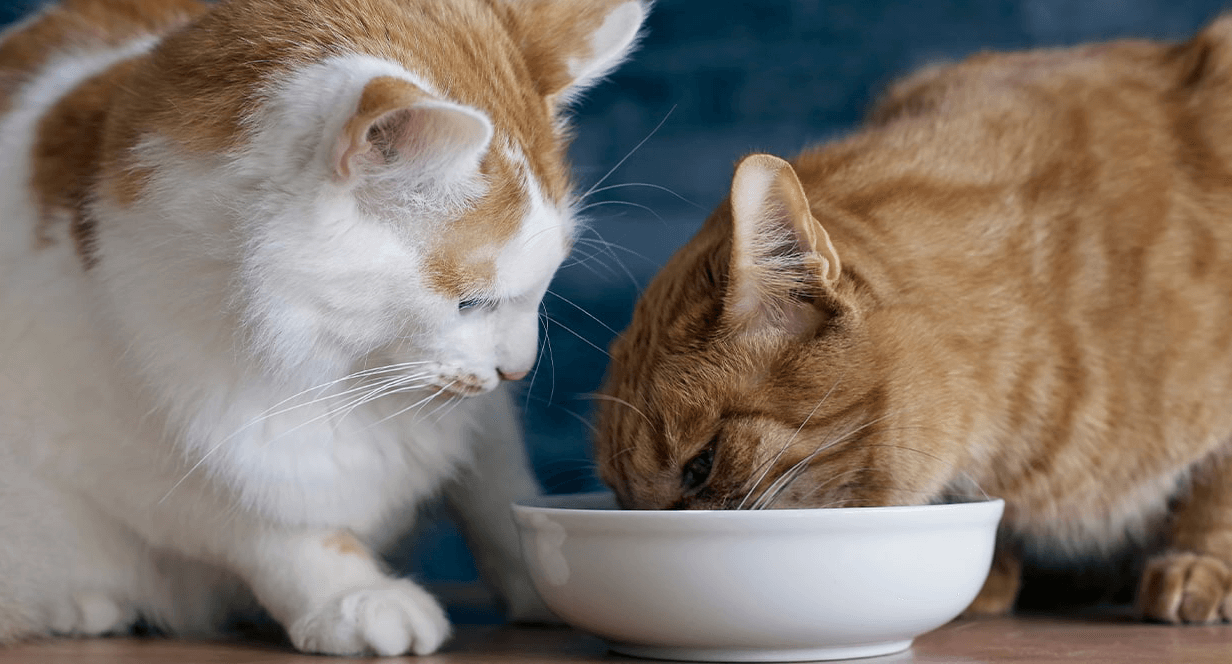
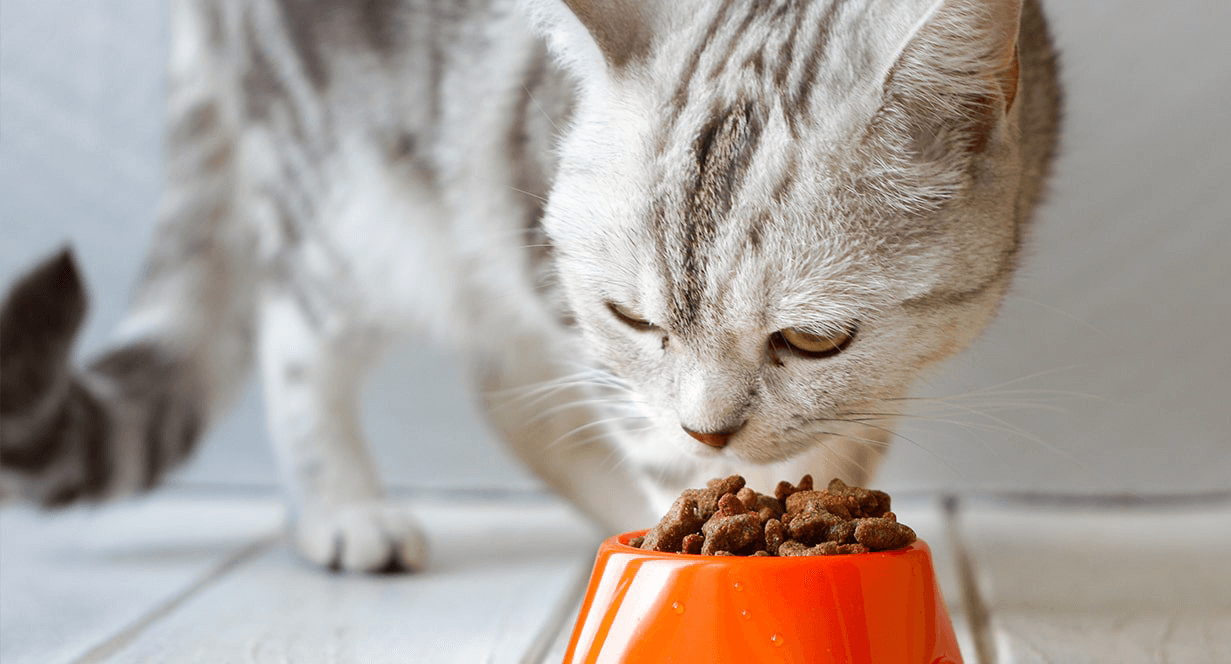
The only thing better than owning a cat is owning more than one cat. While a multiple-cat household means additional snuggles and cuddles, it can also mean a little extra work when it comes to mealtime. Fear not! We’ve assembled this tasty buffet of tips to help make sure all your feline companions get the proper amount of food and nutrition.
Similar to their humans, cats’ diets vary for a number of reasons.
Now, how can you make sure each cat is eating the right food come suppertime?
Make any changes to your cats’ diets gradually over the course of several days. This will help reduce stomach issues or requests to “speak with the manager.”
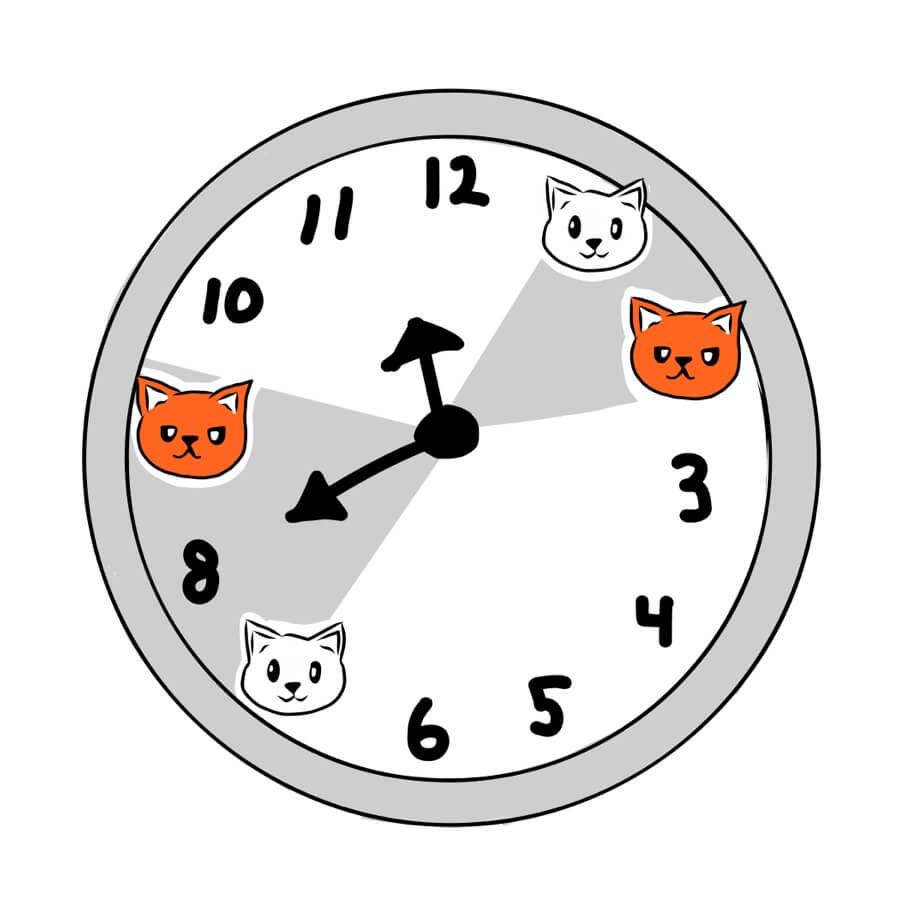
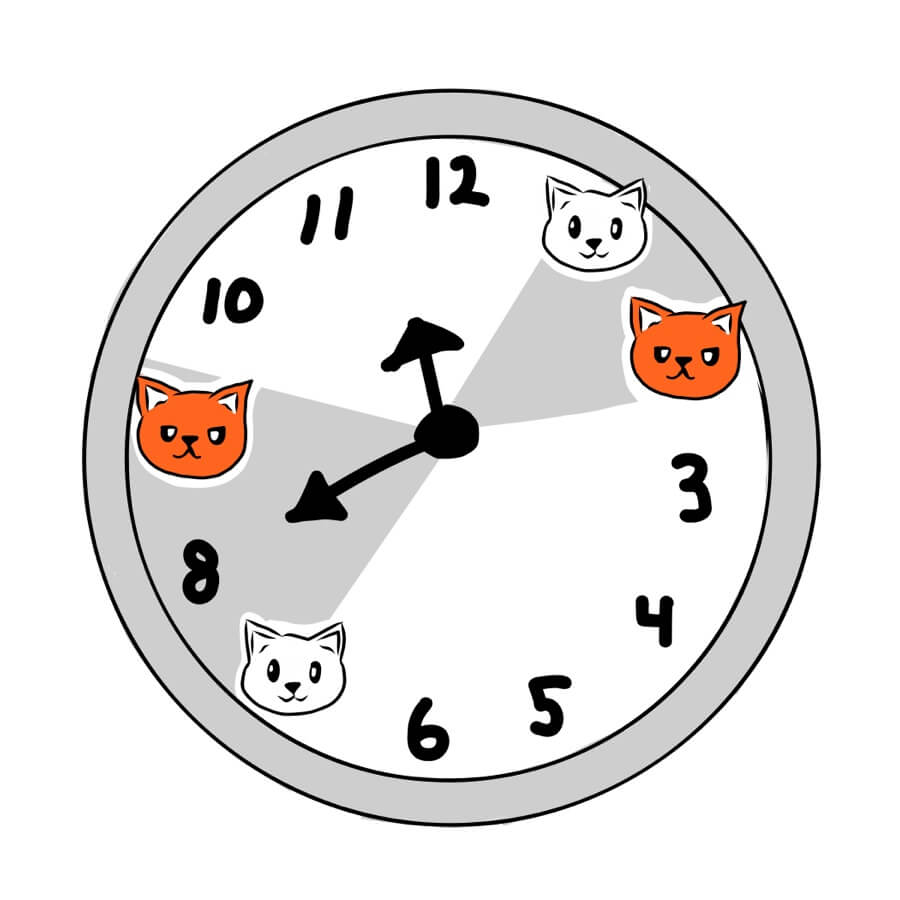
Instead of setting up a 24-hour buffet, schedule regular times for dining. This helps ensure your cats are hungry when it’s time to eat and won’t steal from anyone else’s dish throughout the day.
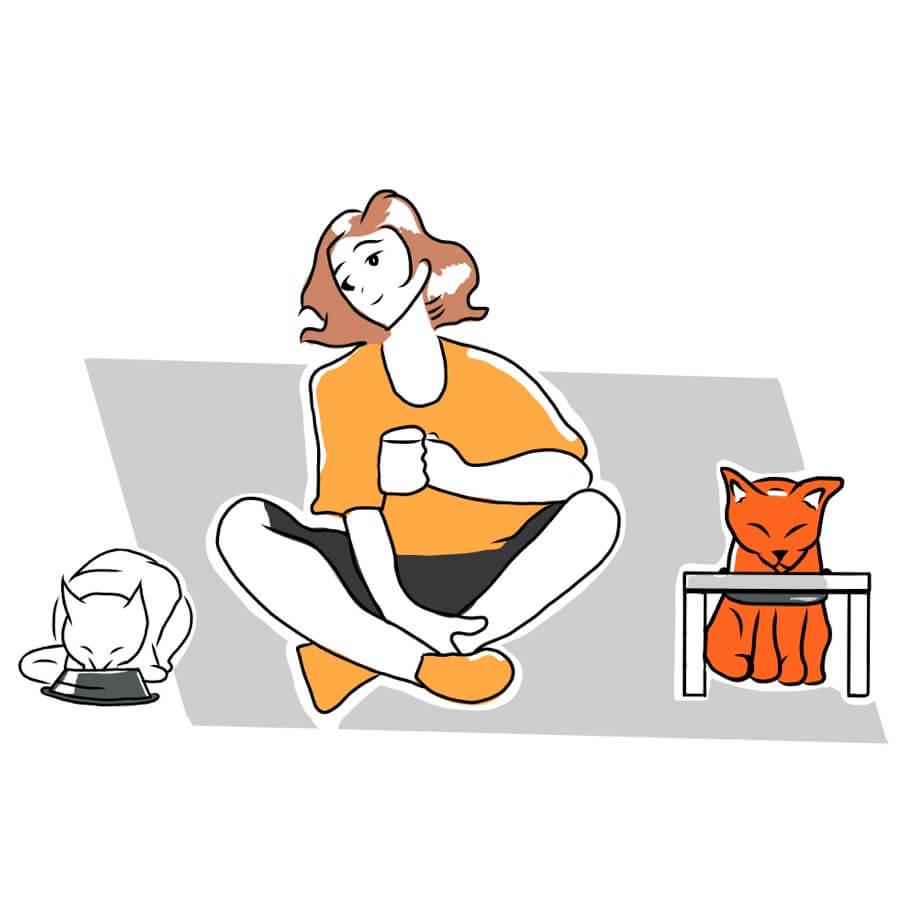
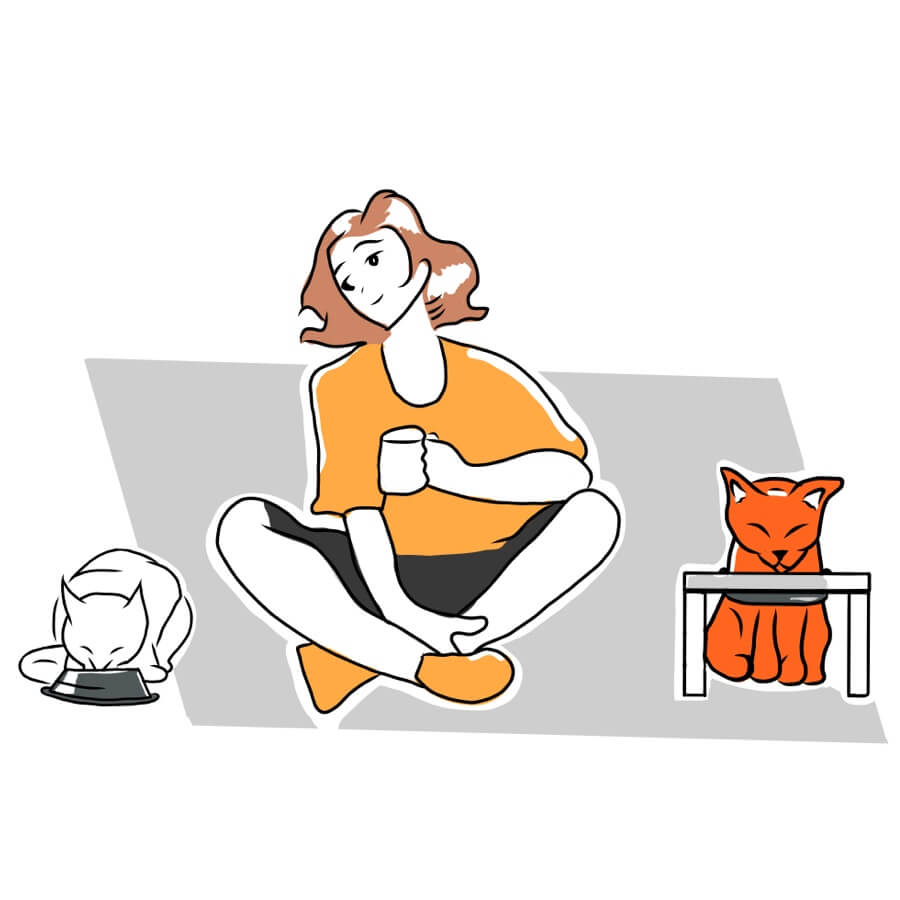
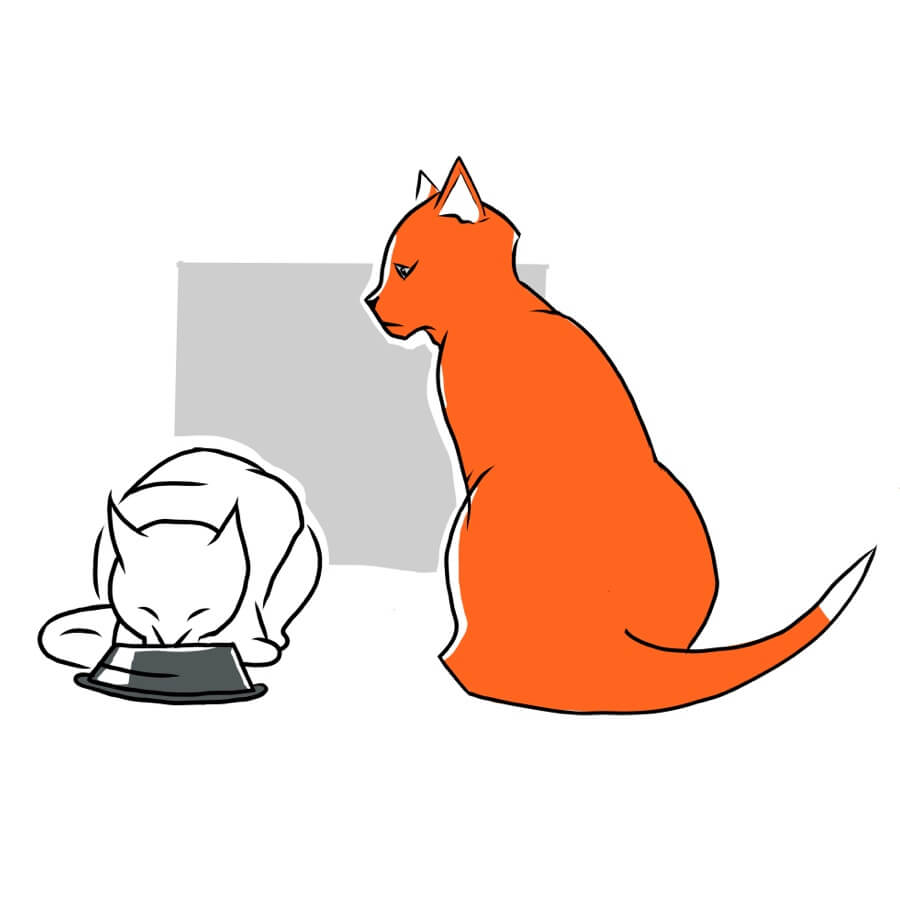
The best way to prevent fights over food or other eating issues is to keep an eye on your cats when you feed them. You’ll be certain everyone is getting a proper meal, and you’ll get some extra time to hang out together.
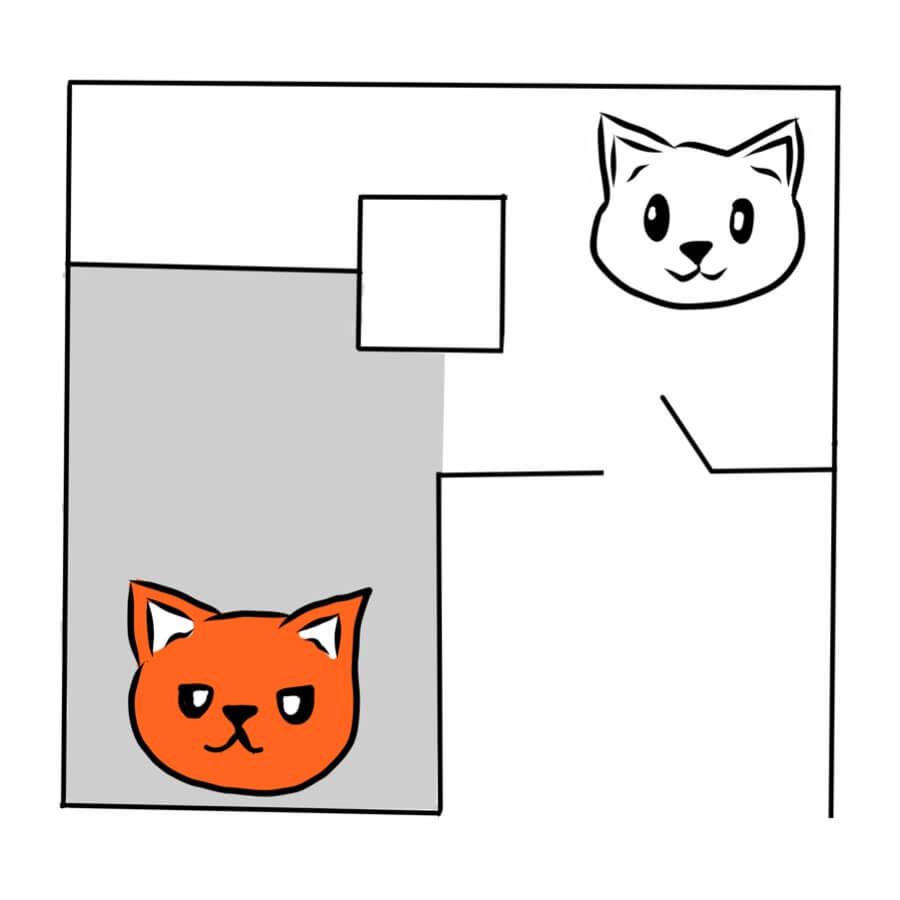
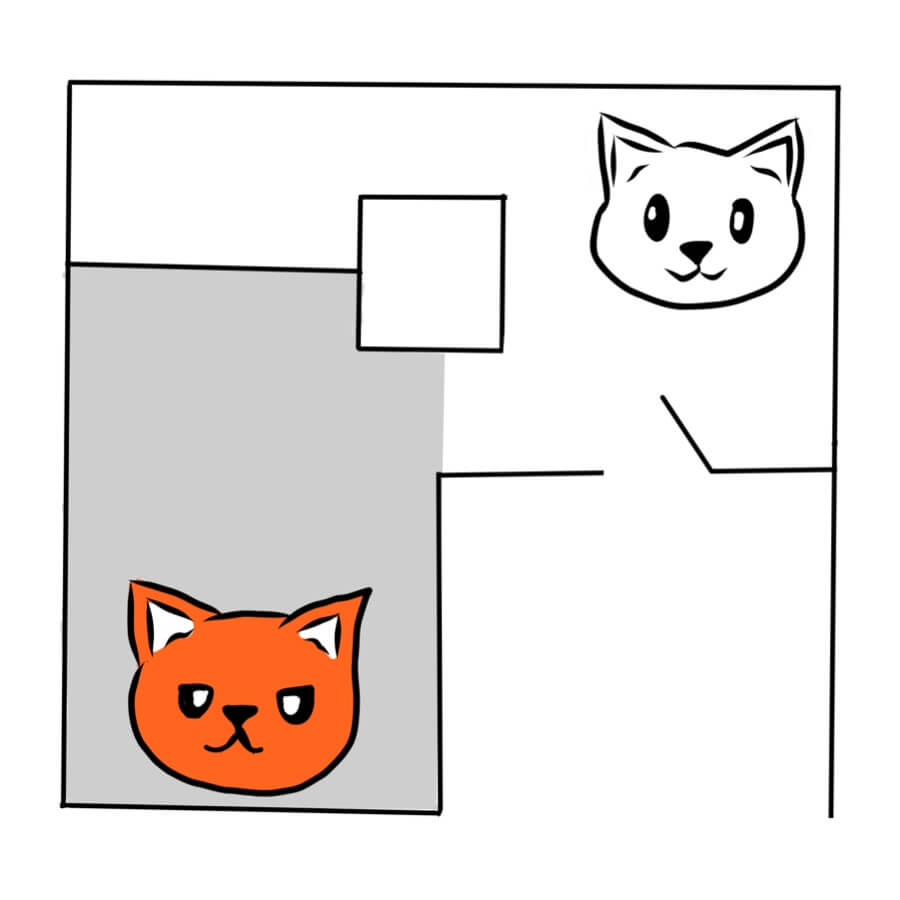
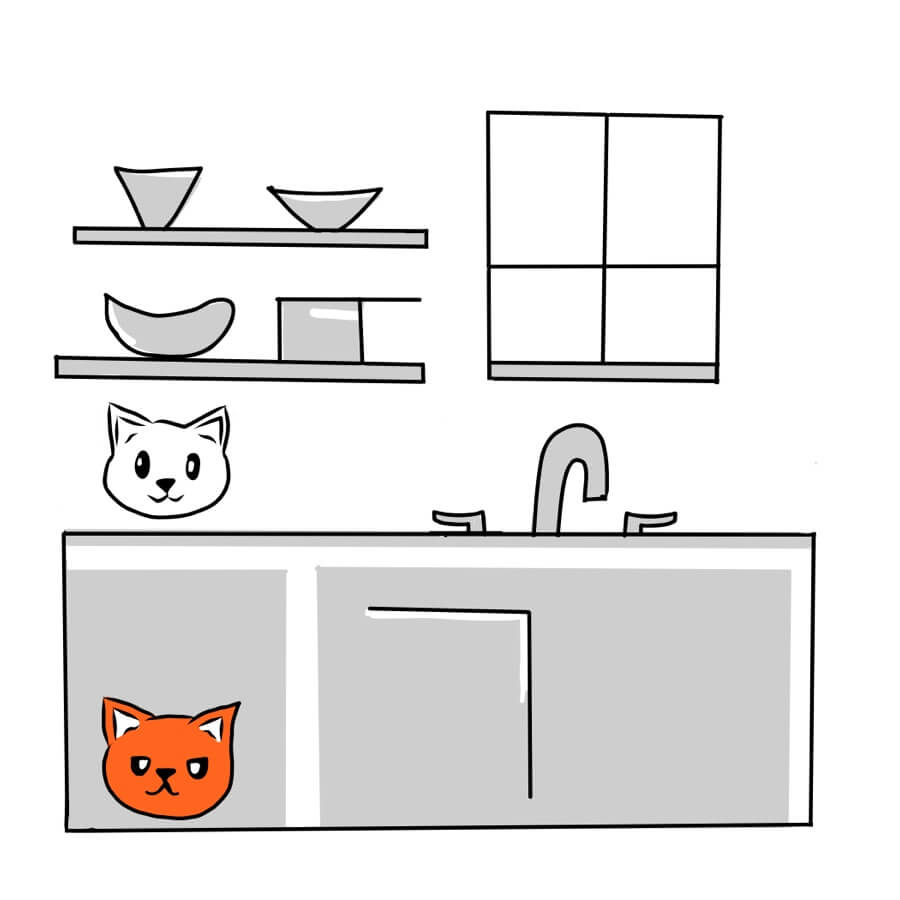
Try feeding each cat in a different room, putting their food bowls far apart or separating eating spaces with a barrier like a baby gate, trash can or chair.
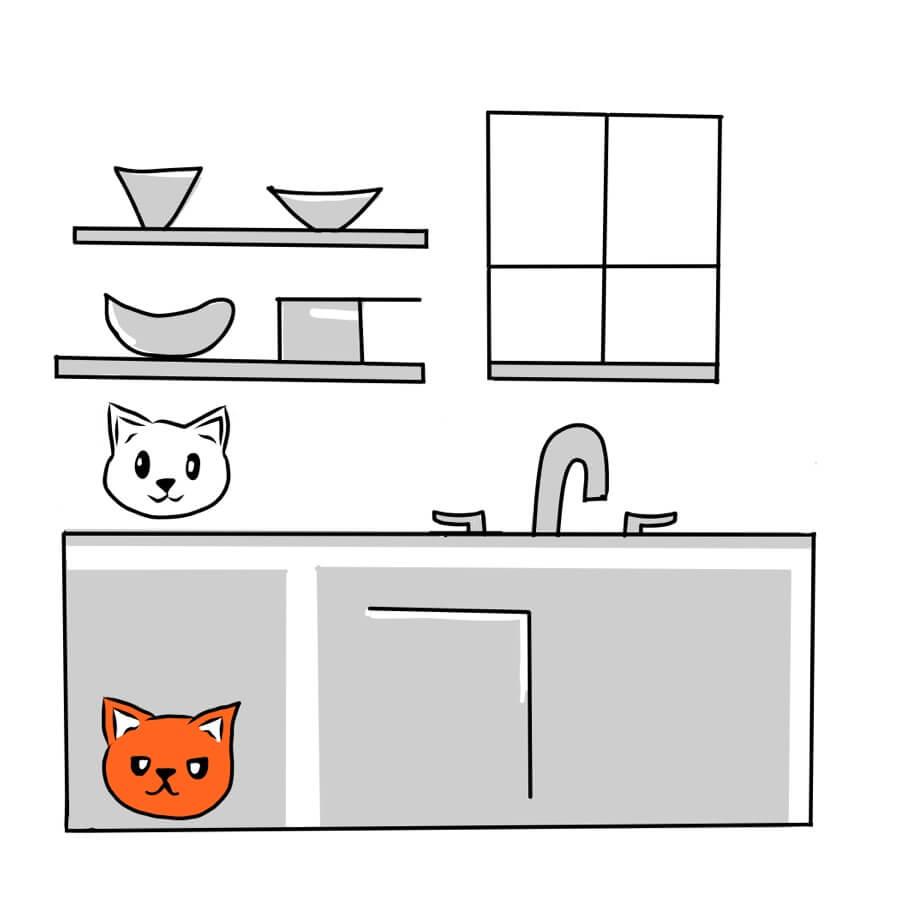
Another option is to put one cat’s meal on the floor and the other’s on a countertop. This works well if one of your cats is older or heavier and can’t make the leap.
Your furry friends might not take to these changes immediately, but kind words, your ongoing affection and judicious use of treats will go a long way toward having them accept a new mealtime routine.

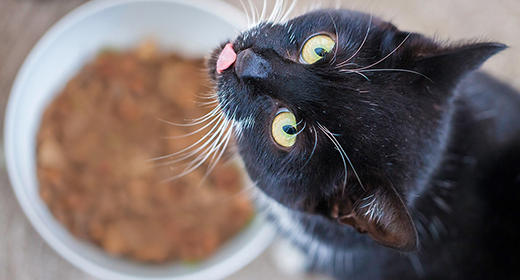
Okay, we admit it: We’re kind of obsessed with cat food. And while we’ve done tons of research to create the world’s best single-serving menu items, all it really took was observing the obvious. Here are five basic facts about cat food you didn’t know you already knew.
We presented a neighbor’s 12-year-old tabby with both a Perfect Portions™ fresh salmon meal and yesterday’s salmon leftovers from a can. Guess what happened? She sniffed us out and chose fresh. Is it because her sense of smell is more powerful than a human’s? Or was it completely obvious that the leftovers had mixed with the scent of the blue cheese and pea soup sitting next to the can in the fridge?
How would you like to have tuna salad for lunch? And then for dinner? And then for breakfast? Don’t assume your cat doesn’t mind just because her taste buds are different — feeling superior is a cat’s job. Your job is to give them variety, which is hard when you have leftovers coming out of your ears. Try a multipack of Perfect Portions™ for the ultimate in no-leftovers variety.
Why your cat judges you
A focus group of four people at a recent dinner party revealed that opened cat food smells less than good. It’s especially embarrassing if you're the host and the smell keeps wafting over your mashed potatoes.
What cat food smells like when it's left over in your fridge
Canned food has been around for more than 100 years, so it seemed high time for a design update. When we reimagined canned cat food, we decided to get rid of the can altogether in favor of Perfect Portions™, with no-mess, no hassle containers. The results have been, uh, uncanny. Everyone agrees we should can the can. For good.
With food this good, lunchtime for cats can be just as tempting as Thanksgiving dinner for humans. Cats can have problems maintaining a healthy diet — and sticking to healthy portions — just like we do. It’s why we’ve taken the guesswork out of meals with Perfect Portions™. Each pack contains just enough (and not too much) every time. So don’t be fooled by cat food cans with 1½ servings. Unless you plan on training your cat to use the treadmill.
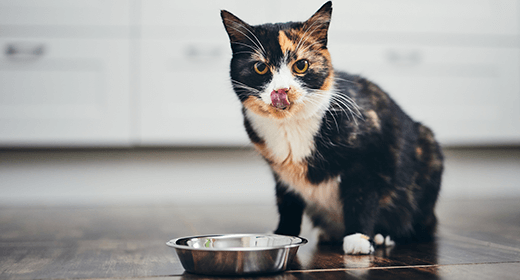
Cats after mealtime on regular canned food