Enter a keyword below to search for articles and products.
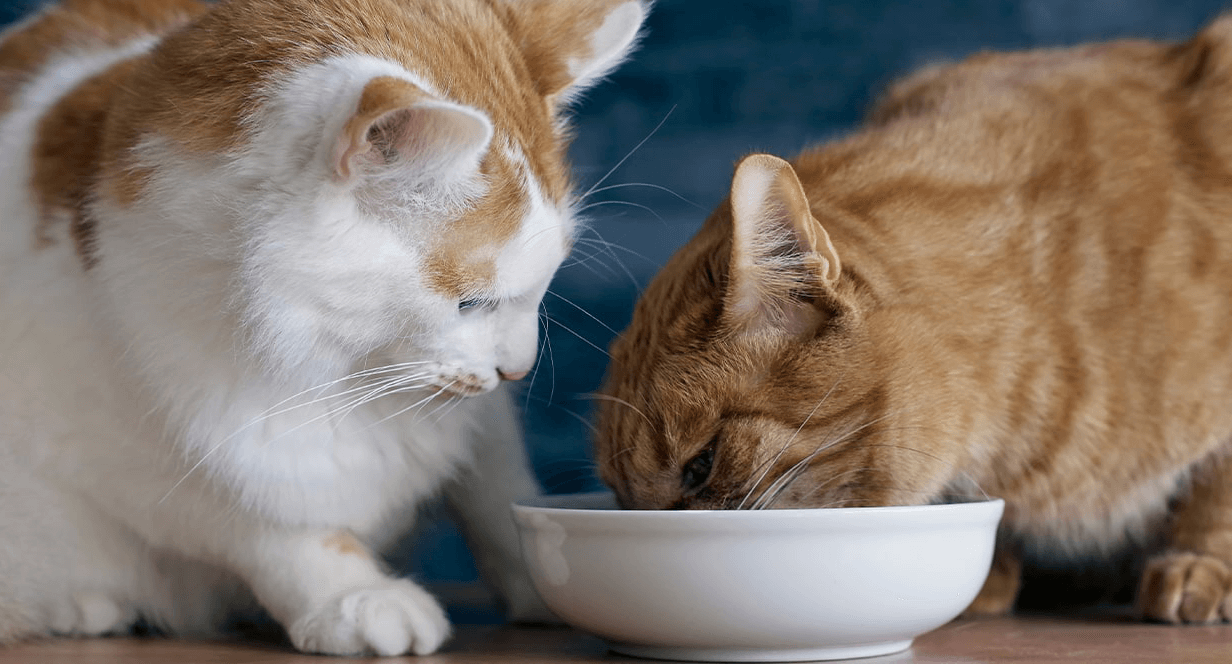
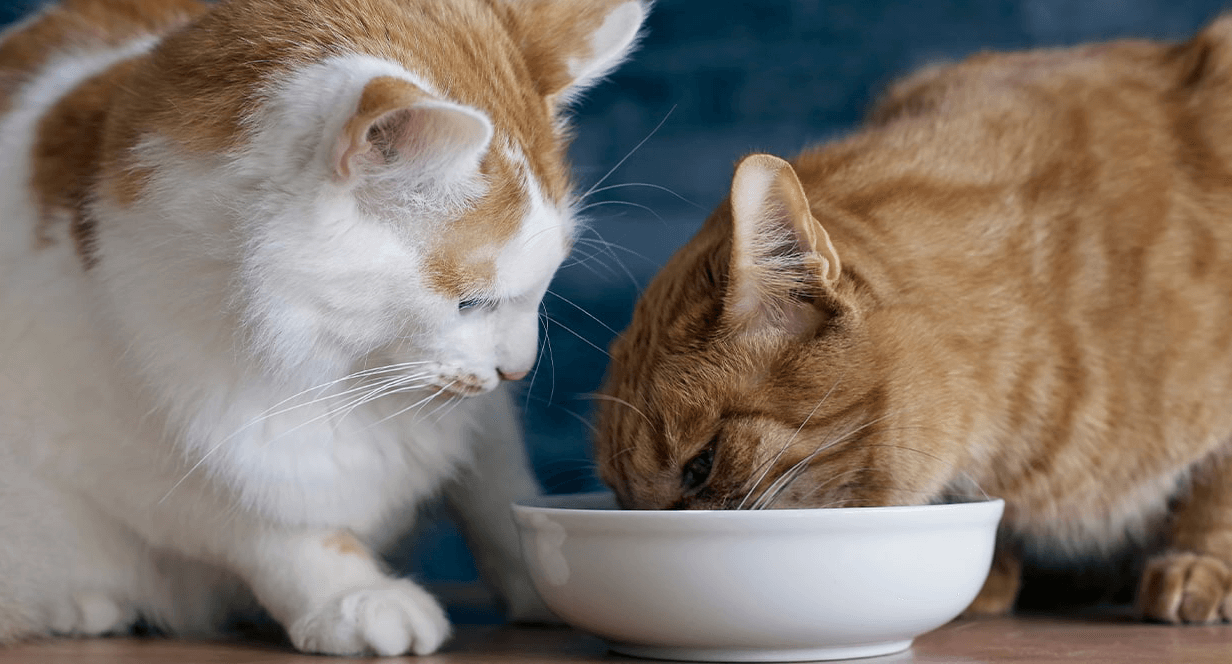
The only thing better than owning a cat is owning more than one cat. While a multiple-cat household means additional snuggles and cuddles, it can also mean a little extra work when it comes to mealtime. Fear not! We’ve assembled this tasty buffet of tips to help make sure all your feline companions get the proper amount of food and nutrition.
Similar to their humans, cats’ diets vary for a number of reasons.
Now, how can you make sure each cat is eating the right food come suppertime?
Make any changes to your cats’ diets gradually over the course of several days. This will help reduce stomach issues or requests to “speak with the manager.”
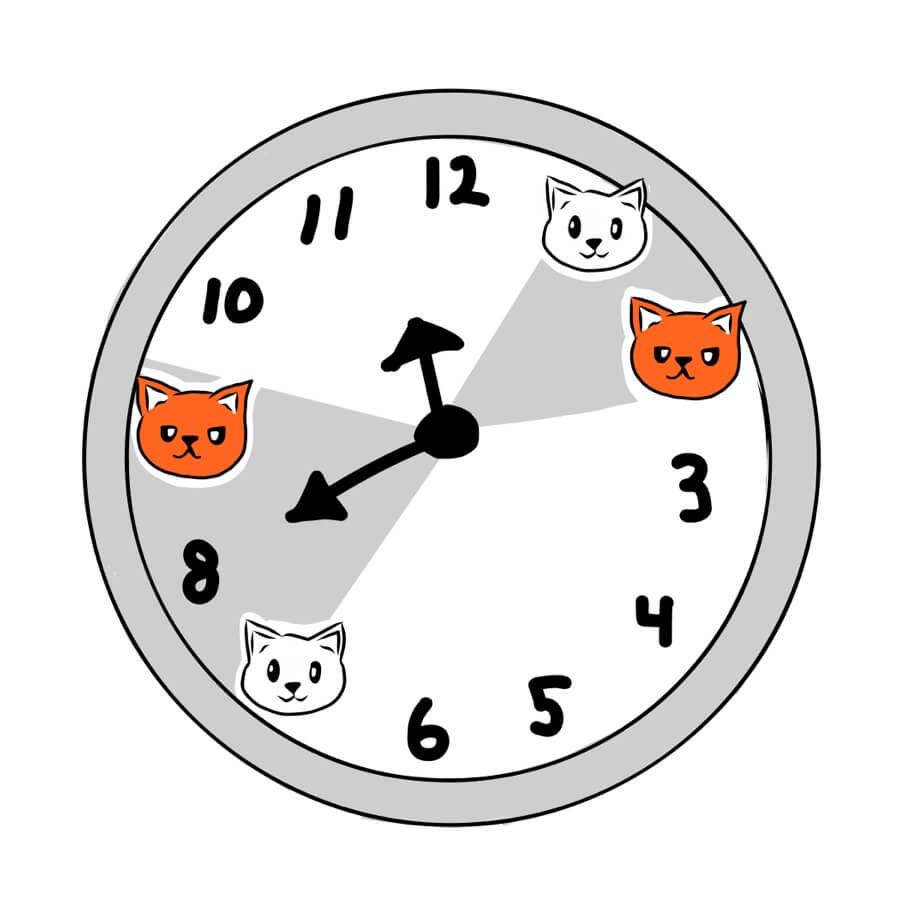
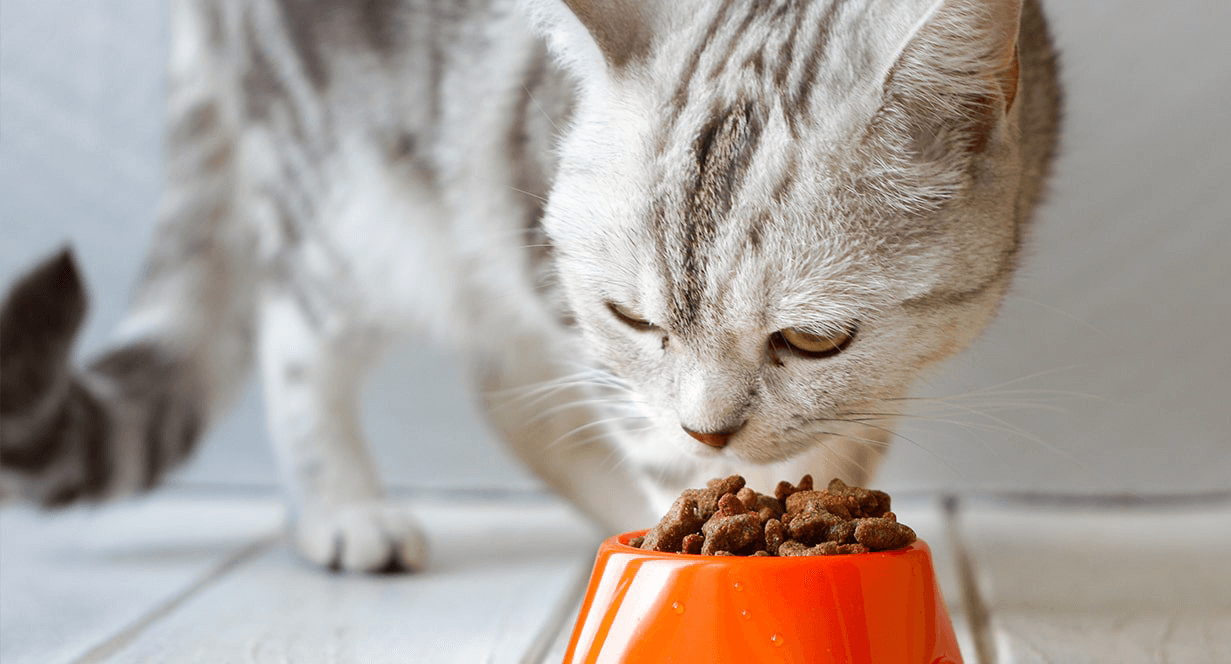
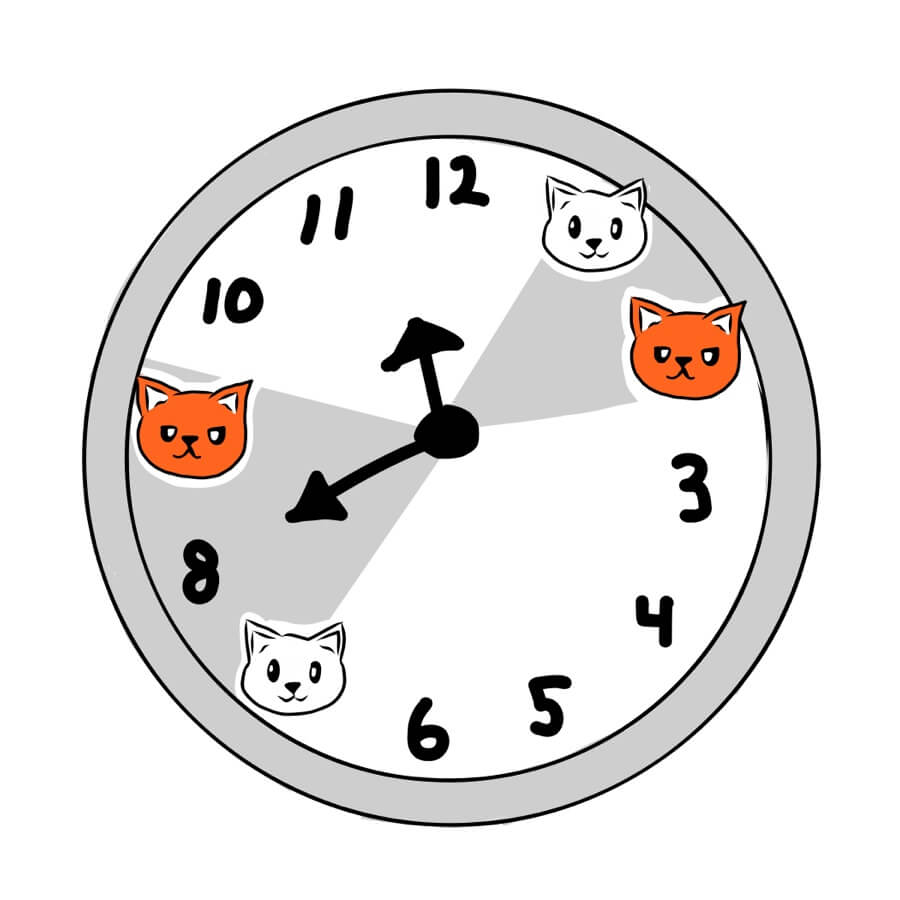
Instead of setting up a 24-hour buffet, schedule regular times for dining. This helps ensure your cats are hungry when it’s time to eat and won’t steal from anyone else’s dish throughout the day.
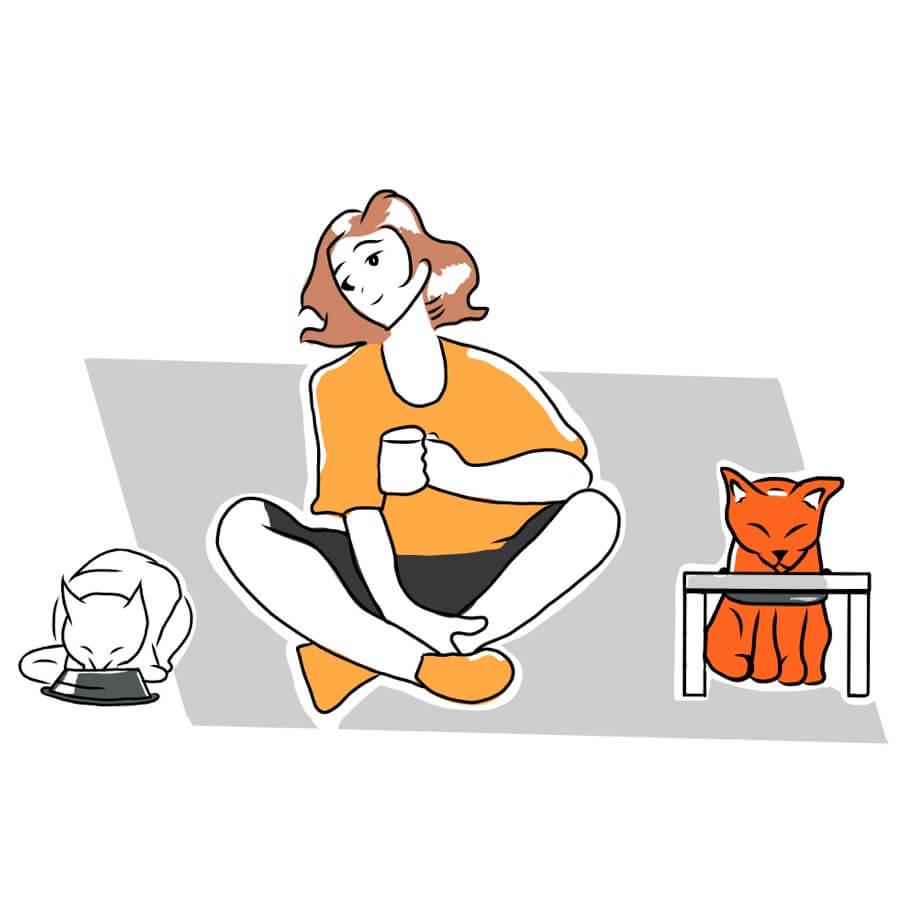
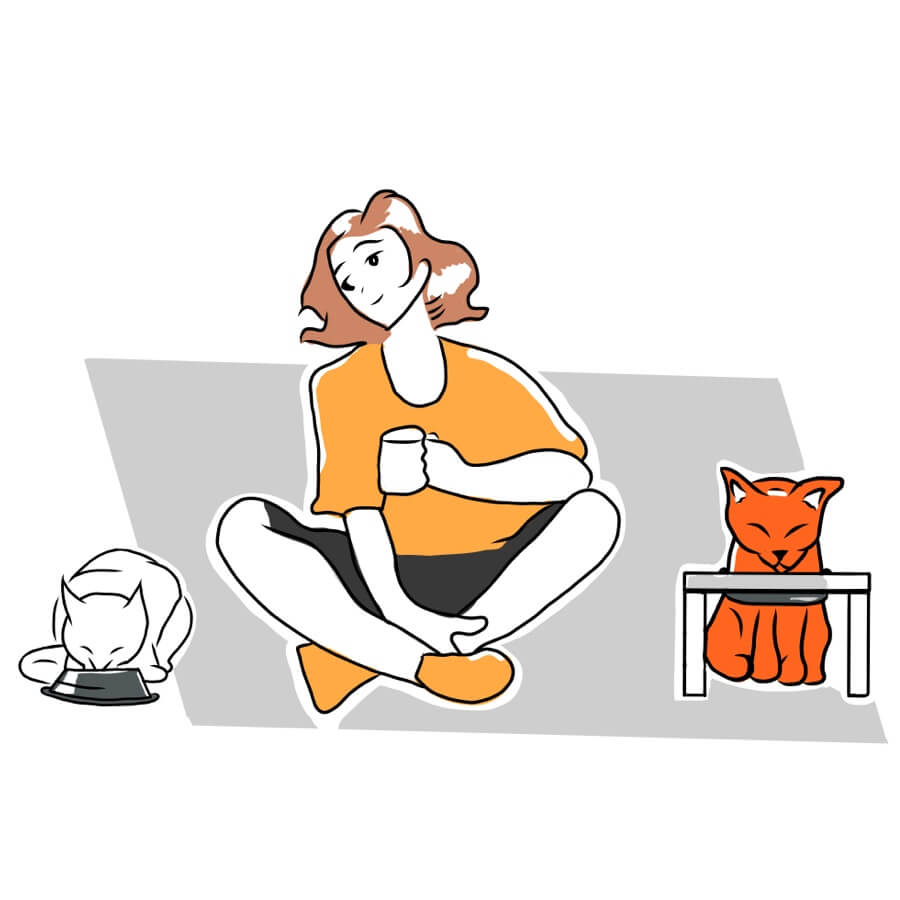
The best way to prevent fights over food or other eating issues is to keep an eye on your cats when you feed them. You’ll be certain everyone is getting a proper meal, and you’ll get some extra time to hang out together.
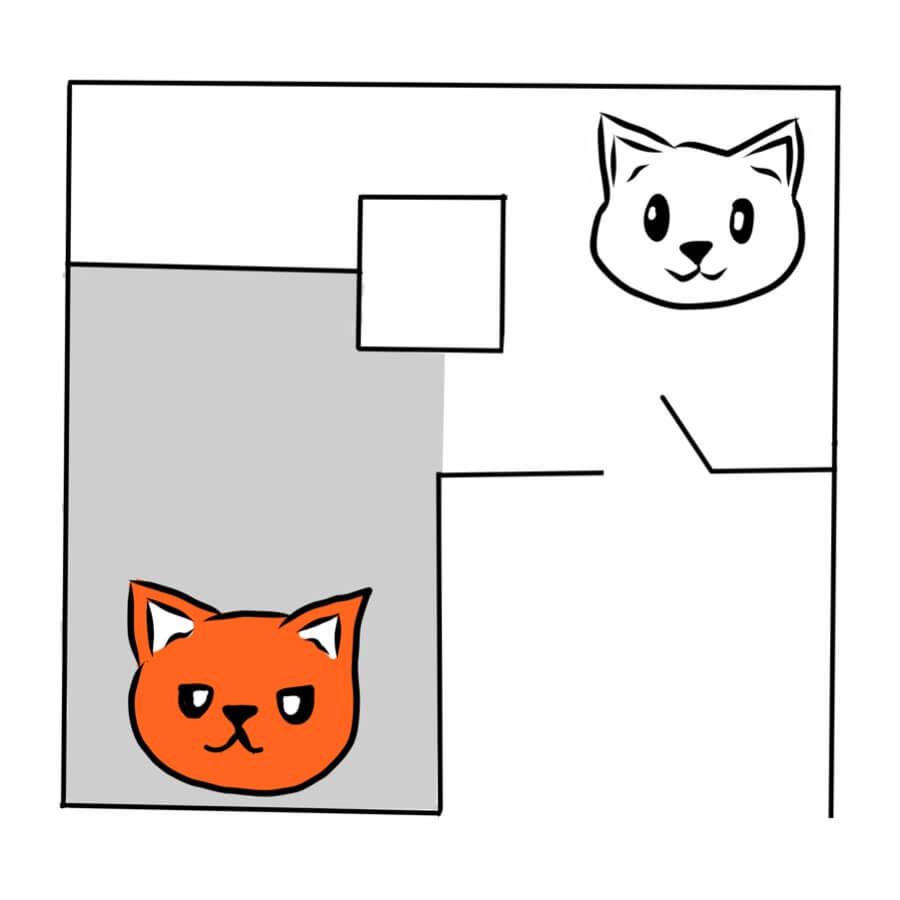
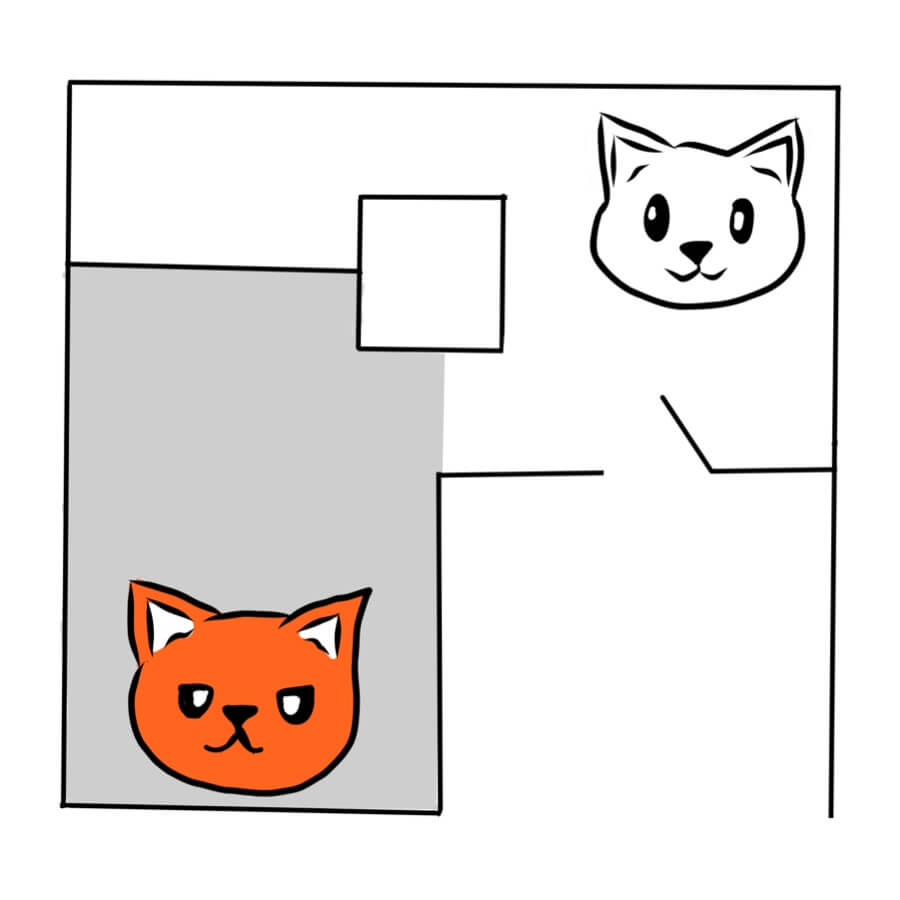
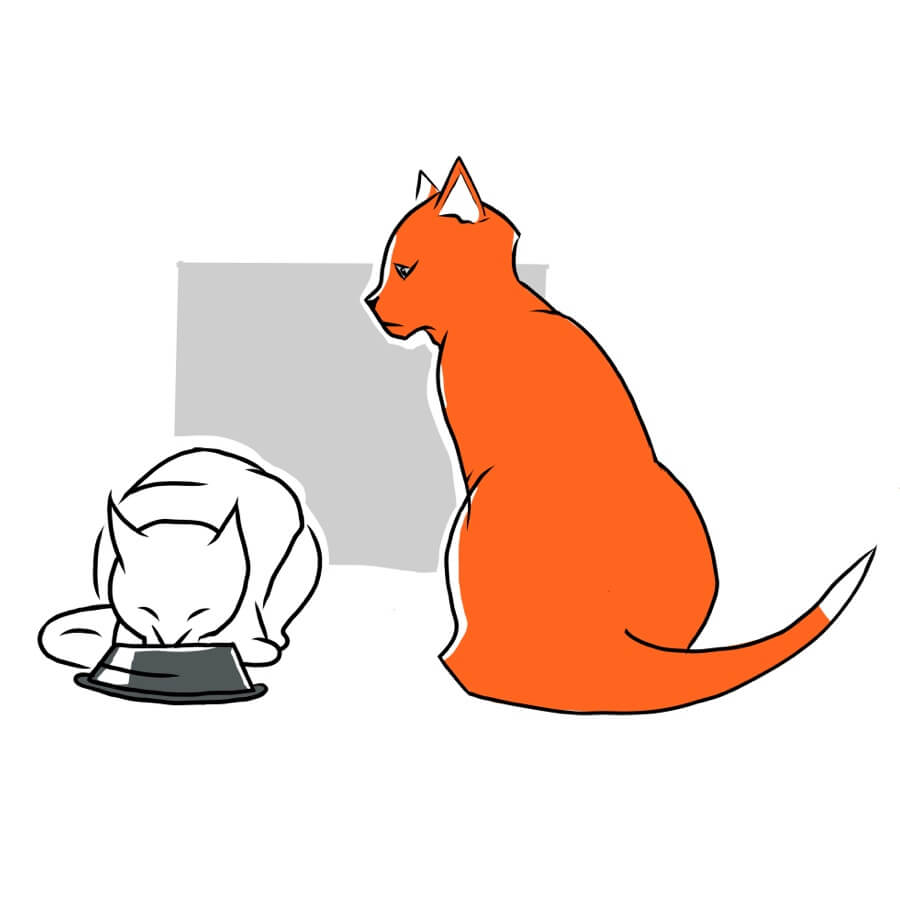
Try feeding each cat in a different room, putting their food bowls far apart or separating eating spaces with a barrier like a baby gate, trash can or chair.
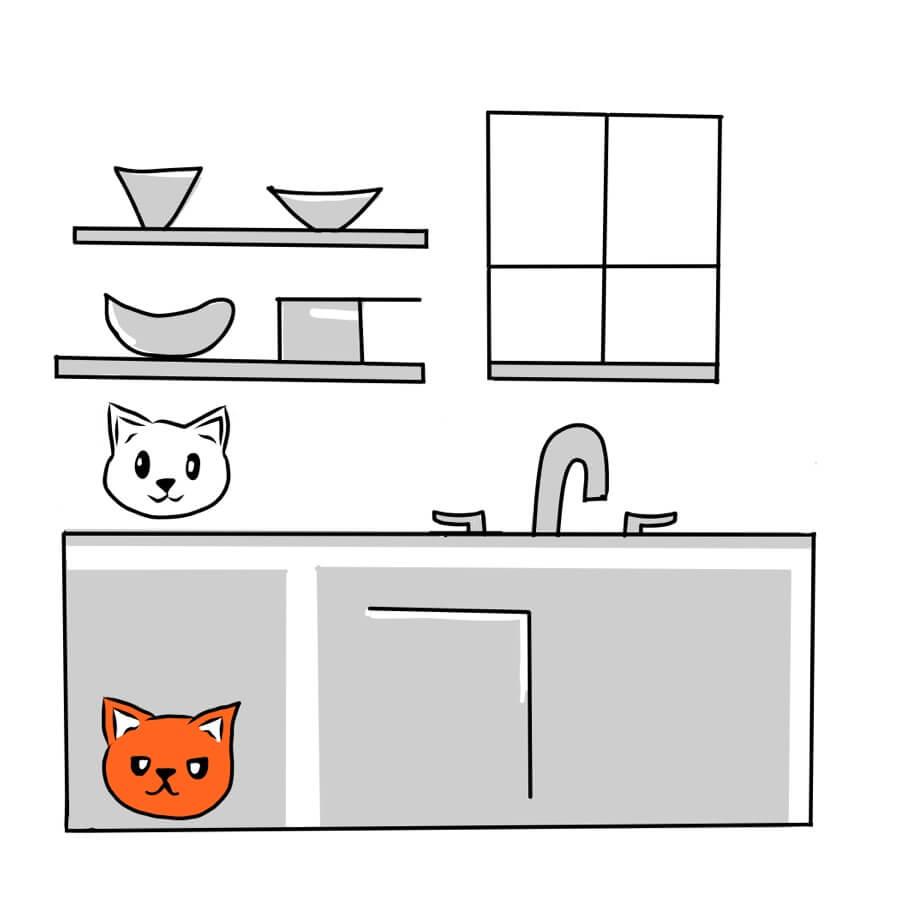
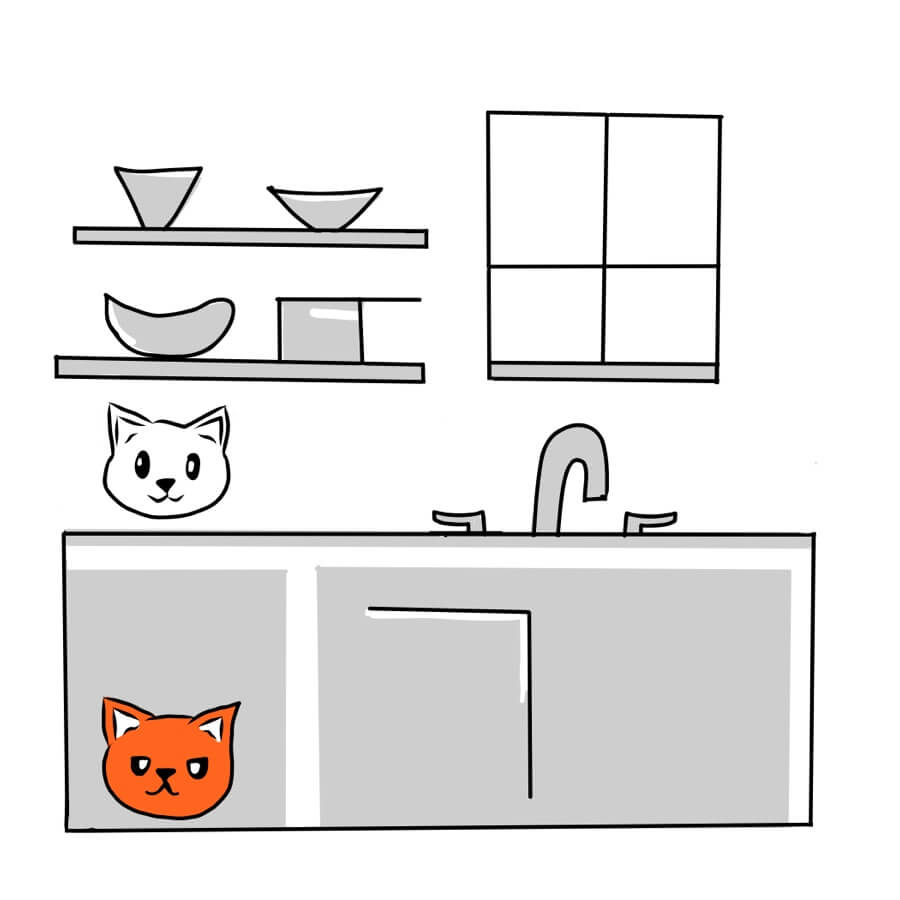
Another option is to put one cat’s meal on the floor and the other’s on a countertop. This works well if one of your cats is older or heavier and can’t make the leap.
Your furry friends might not take to these changes immediately, but kind words, your ongoing affection and judicious use of treats will go a long way toward having them accept a new mealtime routine.
Our cat food products contain animal-based proteins that provide all the essential amino acid requirements for cats. In addition, special refining and quality assurance tests ensure that we only use high-quality, highly digestible protein sources for increased digestibility.
Cats, best fed as true carnivores, require essential nutrients that aren't found in plant proteins such as soybean meal. For example, cats require taurine, which can only be found in animal-based proteins.
There are two important types of fatty acids for cats, omega-6 and omega-3 fatty acids. Omega-6 fatty acids, found in chicken fat and corn, are essential for maintenance of skin and coat and proper membrane structure. Omega-3 fatty acids are found in ingredients such as canola, fish meal or fish oil, and flax. Omega-3 fatty acids have been shown to be important in blood clotting and in managing inflammation, among other things. All of our products contain sources of omega-6 and omega-3 fatty acids.
IAMS™ research has shown that including omega-6 and omega-3 fatty acids in a ratio between 5:1 to 10:1 provides for optimal skin and coat condition in dogs. All of our products contain an adjusted omega-6:omega-3 fatty acid ratio between 5:1 to 10:1.
IAMS research has shown that moderately fermentable fiber, such as beet pulp, enhances intestinal health. The fermentable part of the fiber is broken down by intestinal bacteria to provide short-chain fatty acids, an energy source for intestinal cells. The non-fermentable component provides bulk for normal feces.
Using only highly fermentable fibers can cause problems, such as excess gas, while using only non-fermentable fibers, such as peanut hulls, promotes excess stool volume, because they are of no nutritional value.
All of our products, including IAMS ProActive Health™ Adult Original with Chicken, contain a patented fiber system of moderately fermentable fiber to help keep dogs’ and cats’ digestive systems healthy.