Enter a keyword below to search for articles and products.
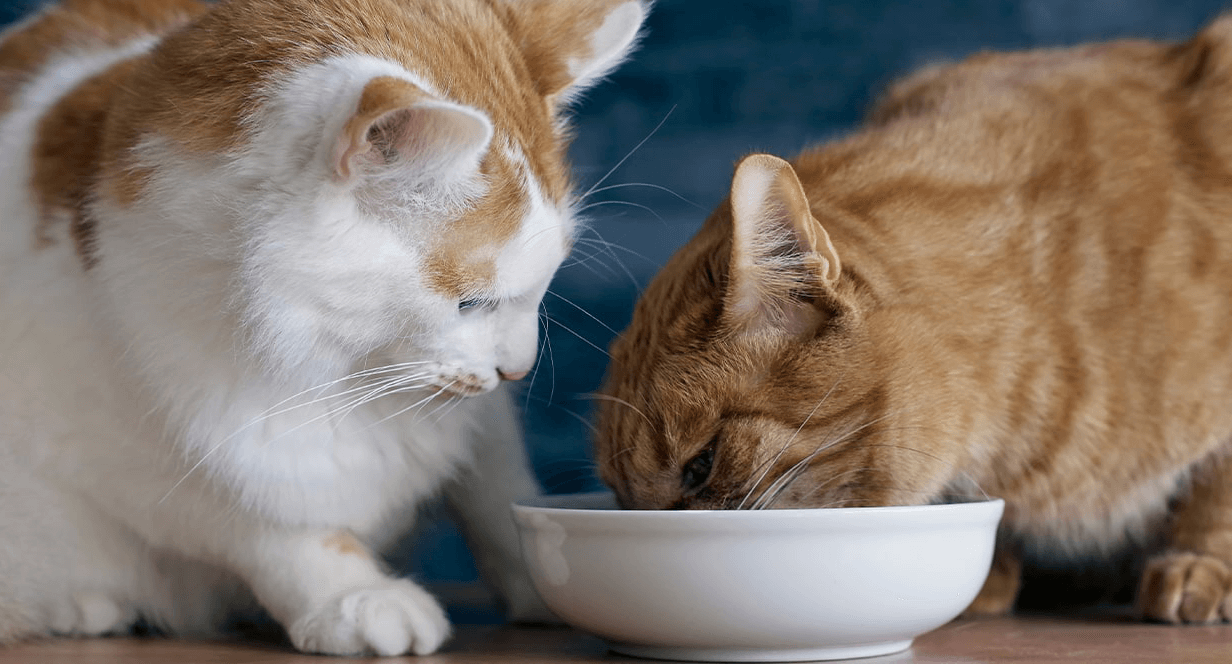
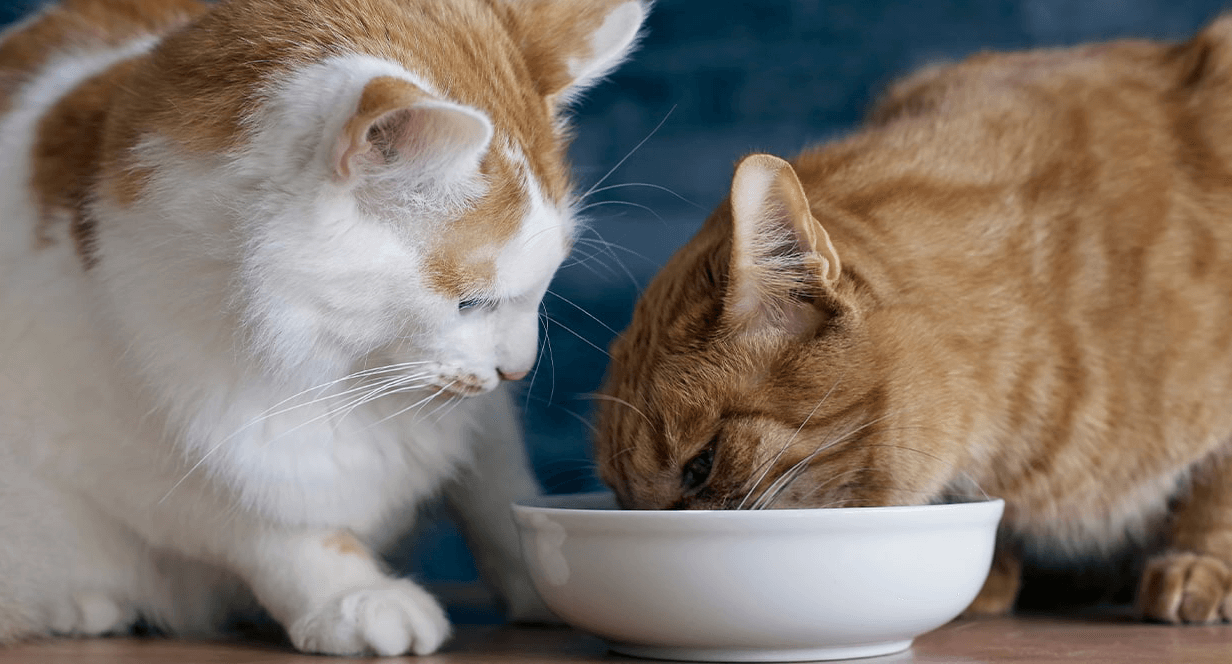
The only thing better than owning a cat is owning more than one cat. While a multiple-cat household means additional snuggles and cuddles, it can also mean a little extra work when it comes to mealtime. Fear not! We’ve assembled this tasty buffet of tips to help make sure all your feline companions get the proper amount of food and nutrition.
Similar to their humans, cats’ diets vary for a number of reasons.
Now, how can you make sure each cat is eating the right food come suppertime?
Make any changes to your cats’ diets gradually over the course of several days. This will help reduce stomach issues or requests to “speak with the manager.”
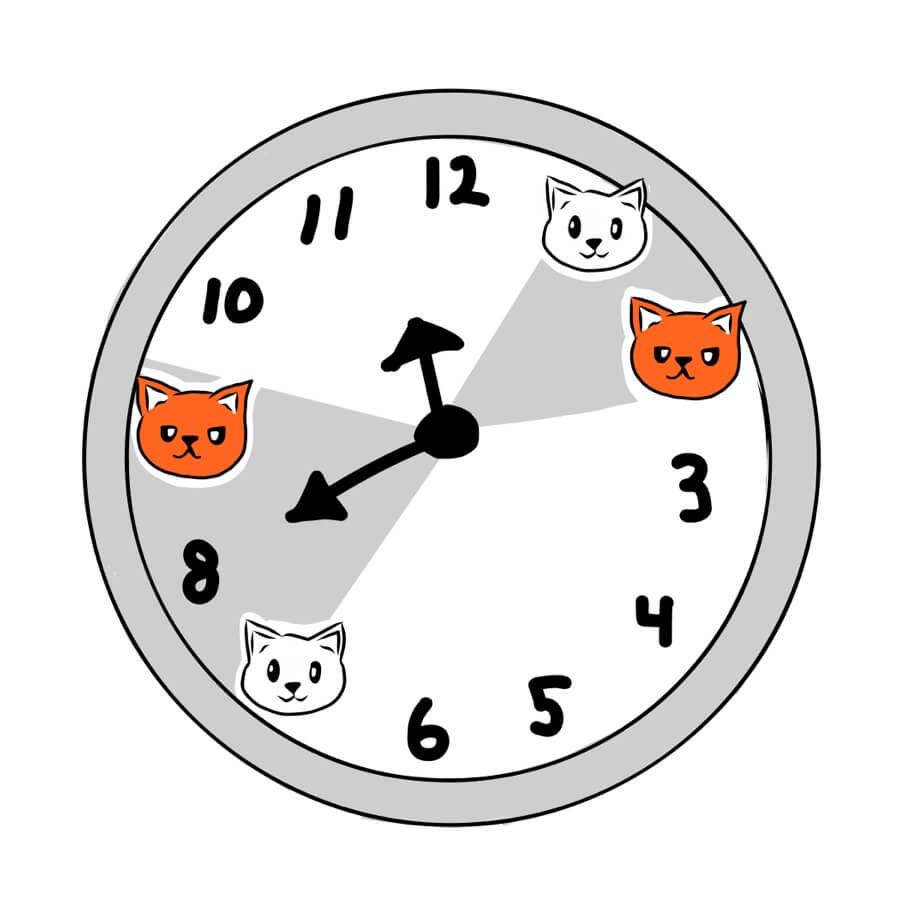
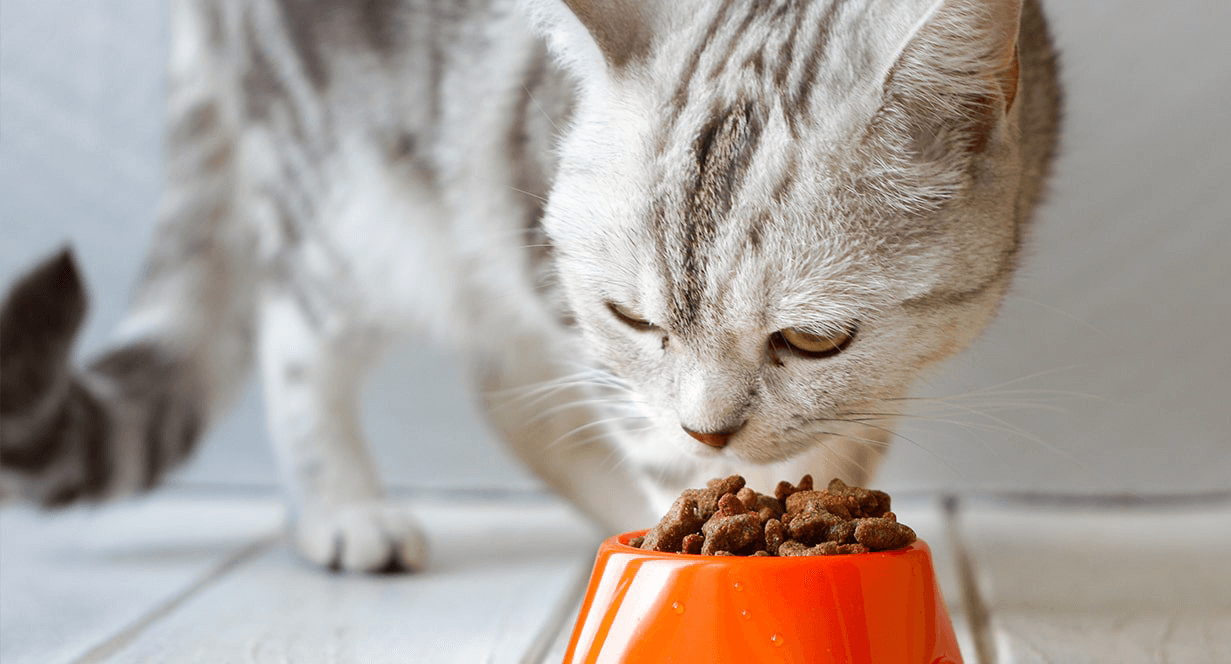
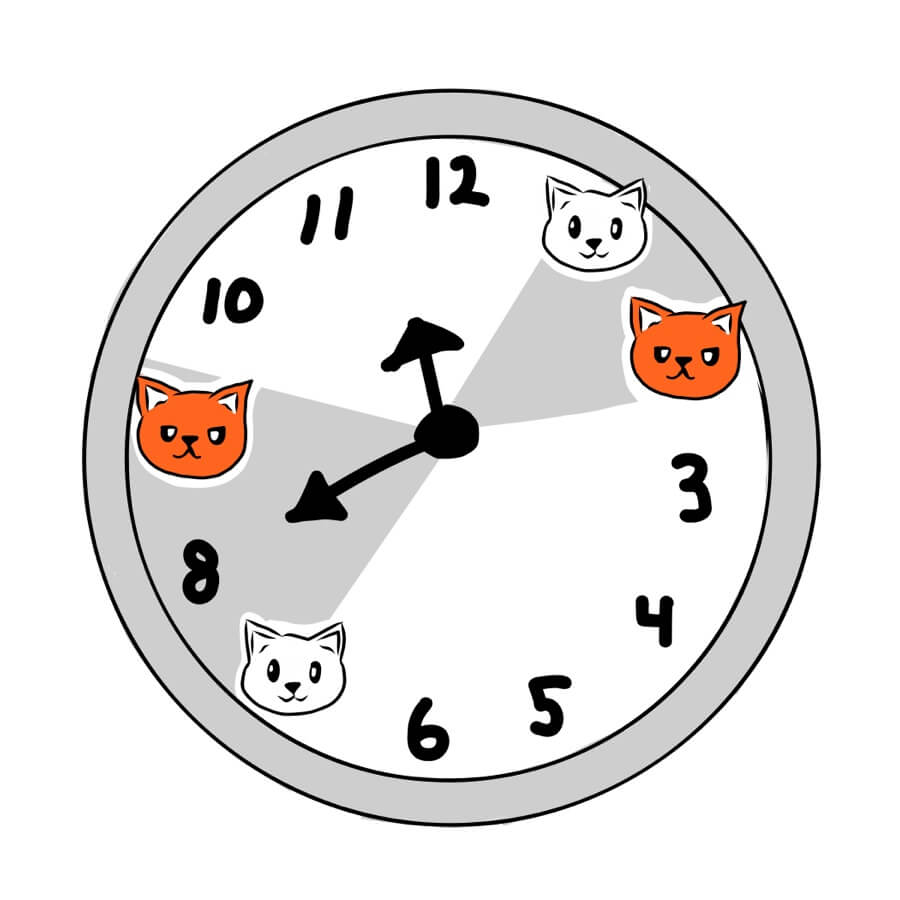
Instead of setting up a 24-hour buffet, schedule regular times for dining. This helps ensure your cats are hungry when it’s time to eat and won’t steal from anyone else’s dish throughout the day.
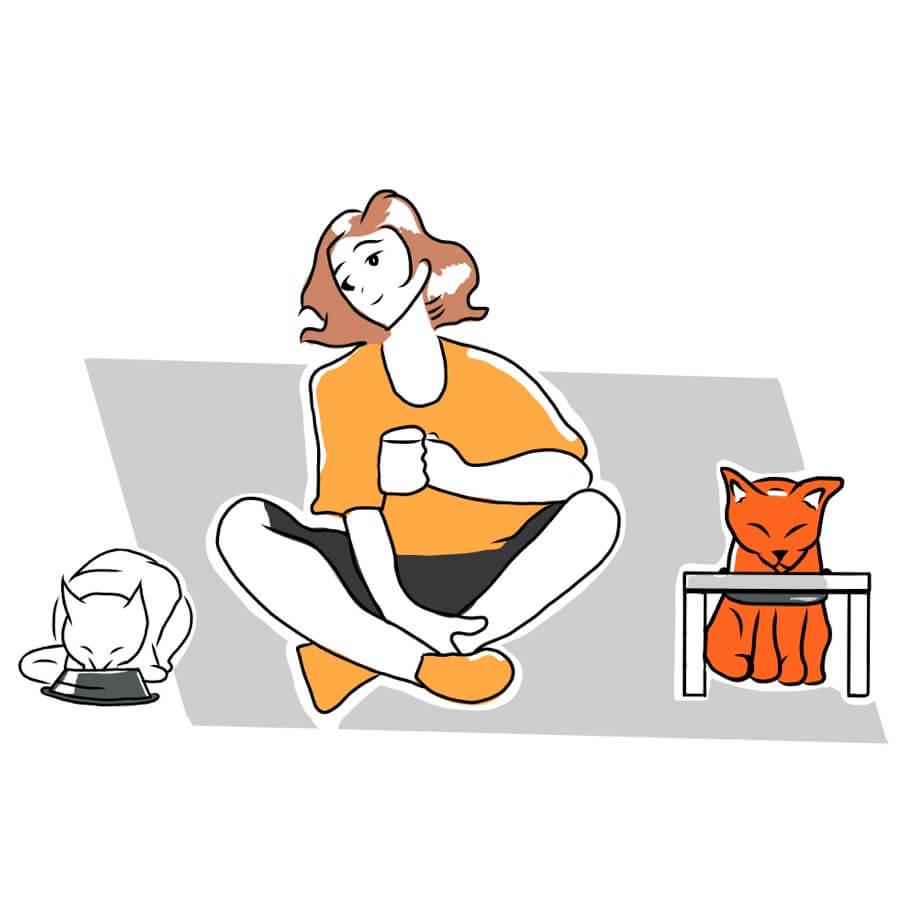
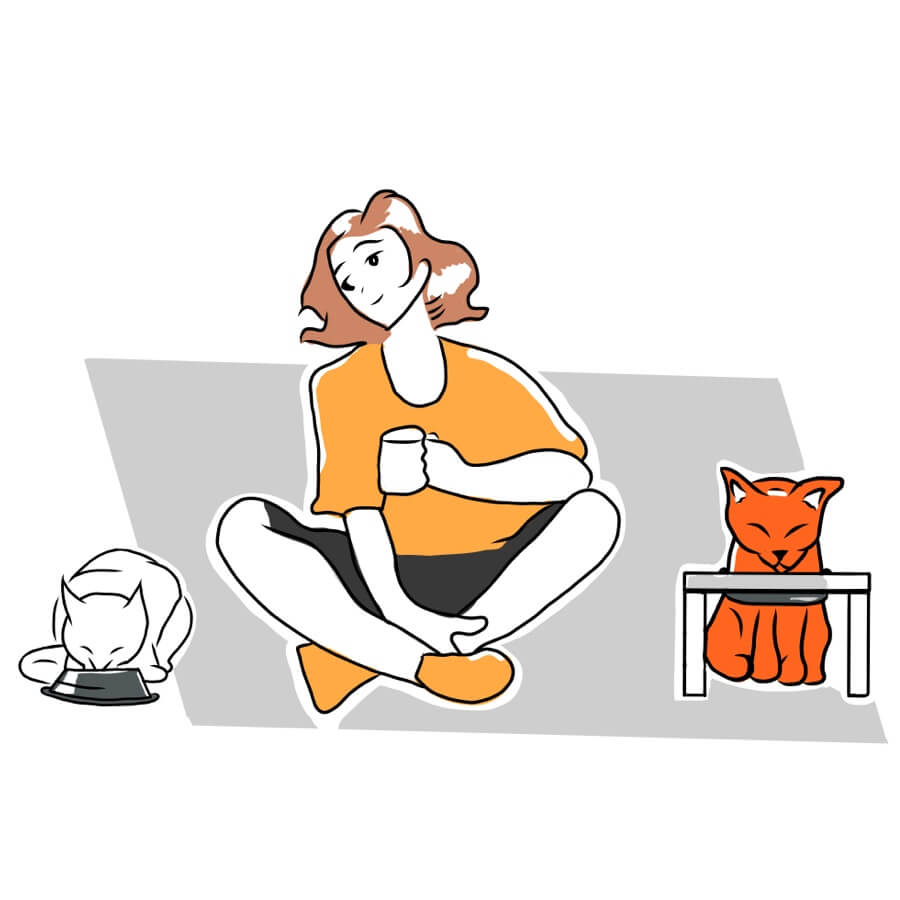
The best way to prevent fights over food or other eating issues is to keep an eye on your cats when you feed them. You’ll be certain everyone is getting a proper meal, and you’ll get some extra time to hang out together.
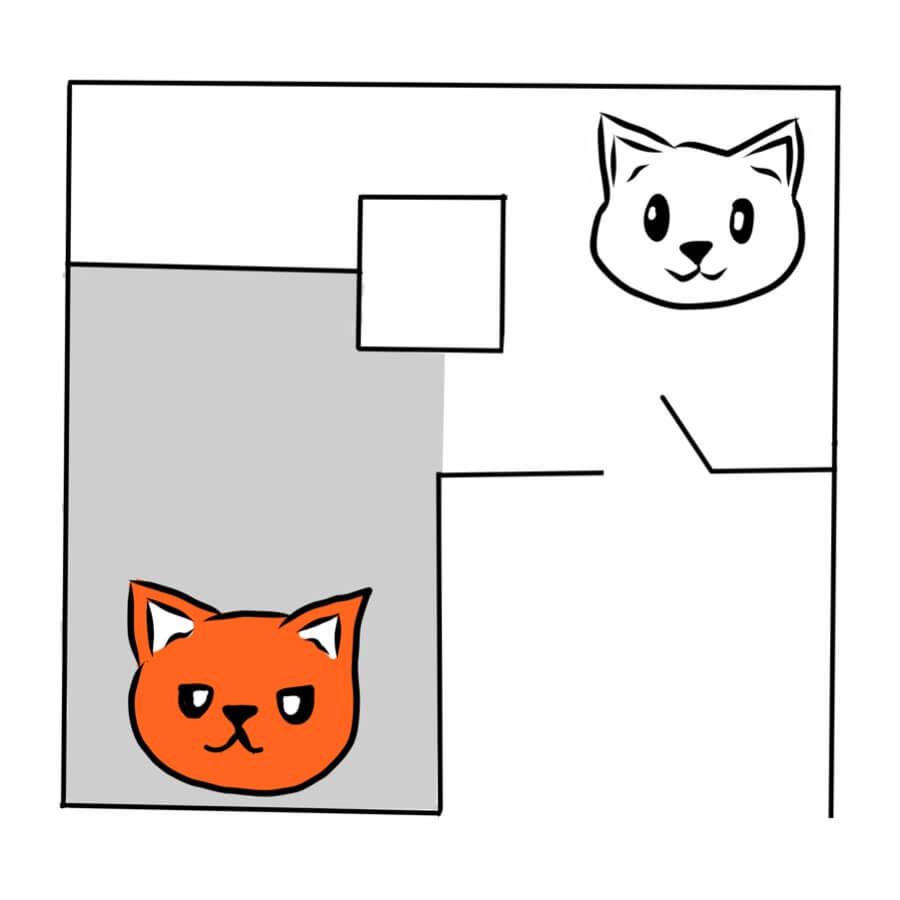
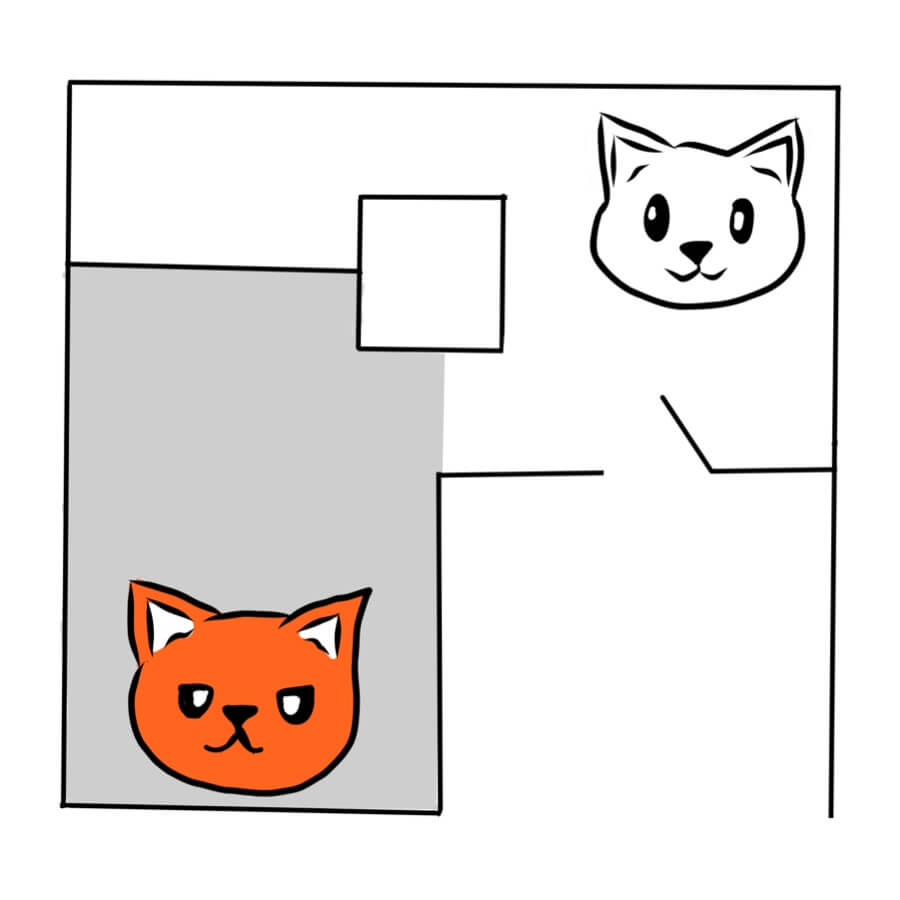
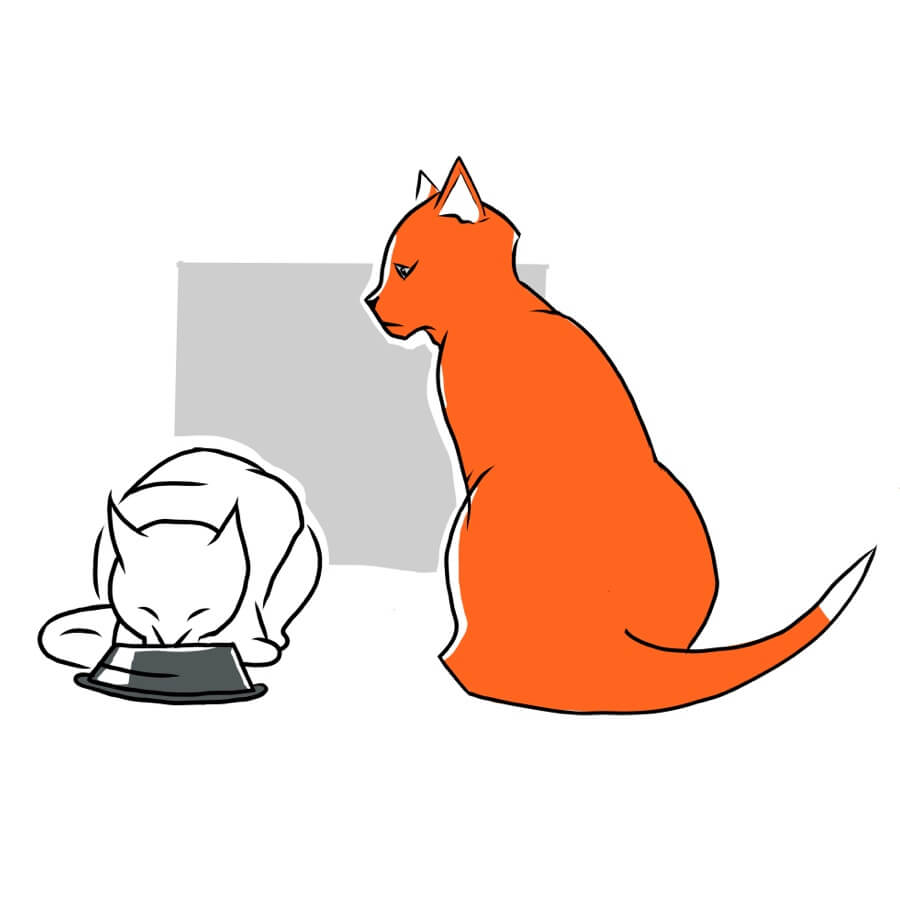
Try feeding each cat in a different room, putting their food bowls far apart or separating eating spaces with a barrier like a baby gate, trash can or chair.
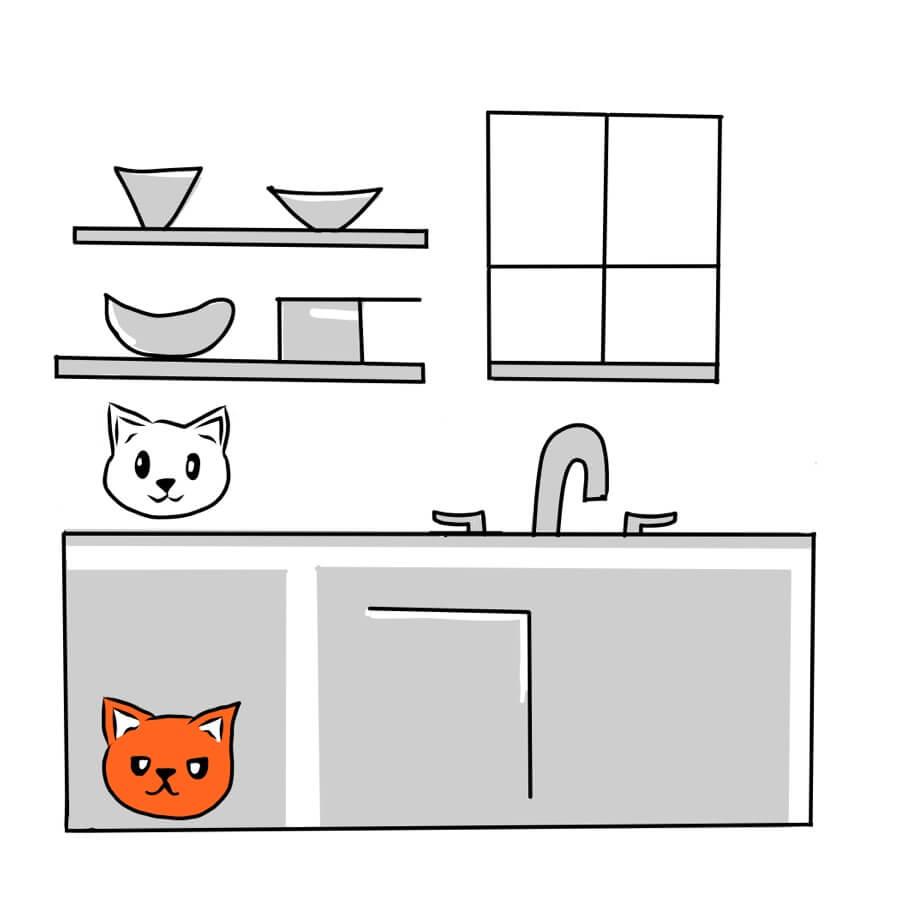
Another option is to put one cat’s meal on the floor and the other’s on a countertop. This works well if one of your cats is older or heavier and can’t make the leap.
Your furry friends might not take to these changes immediately, but kind words, your ongoing affection and judicious use of treats will go a long way toward having them accept a new mealtime routine.
Most cats spend a considerable amount of time grooming their coats. As they do so, their hair is swallowed and may build up over time in their stomach. If the hairball doesn’t pass from the stomach, the cat will attempt to eliminate it by coughing or gagging.
Many cats have a hairball at some point in their life, but some cats, such as long-haired cats and cats that groom excessively, are especially prone to hairballs. In hairball-prone cats, frequent brushing can help reduce the amount of hair that is ingested, thereby reducing the risk of hairball formation. Feeding a special diet designed to decrease the likelihood of developing a hairball may also help.
Diet can be important in hairball relief for several reasons. The fiber combination of powdered cellulose and beet pulp in IAMS™ hairball formulas helps move hair through the digestive tract. IAMS research has shown that cats fed IAMS ProActive Health™ Adult Hairball Care pass 80% more hair in their feces than cats fed a leading premium dry cat food. By helping ingested hair to be passed from the digestive tract, IAMS hairball formulas help reduce the opportunities for hairballs to form. This fiber blend also includes a moderately fermentable component to promote intestinal health. High-quality, animal-based protein and fat, found in IAMS hairball formulas, provide important nutrients for skin and coat health. Maintaining skin and coat health may reduce the risk of excessive shedding, ingestion of hair from grooming, and, consequently, hairball formation.
Overweight cats have special nutritional needs in order to promote weight loss or weight management. Likewise, senior cats have special nutritional needs that are better met through a diet designed specifically for them. If an overweight or senior cat has problems with hairballs, feeding an IAMS hairball formula for indoor or senior (age 7+) cats is a great choice.
Yes. Mixing other foods with IAMS hairball formulas may compromise the effectiveness of this diet by diluting the nutrients that help reduce the risk of hairball formation. Switching between IAMS hairball formulas and another cat food may also decrease the benefit of feeding this diet.