Enter a keyword below to search for articles and products.
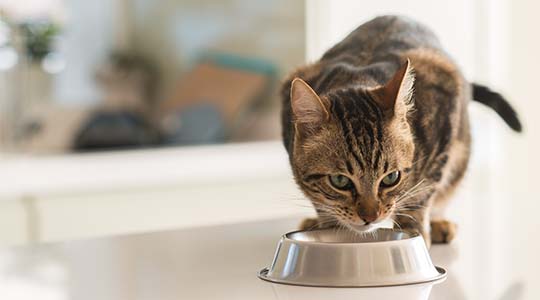
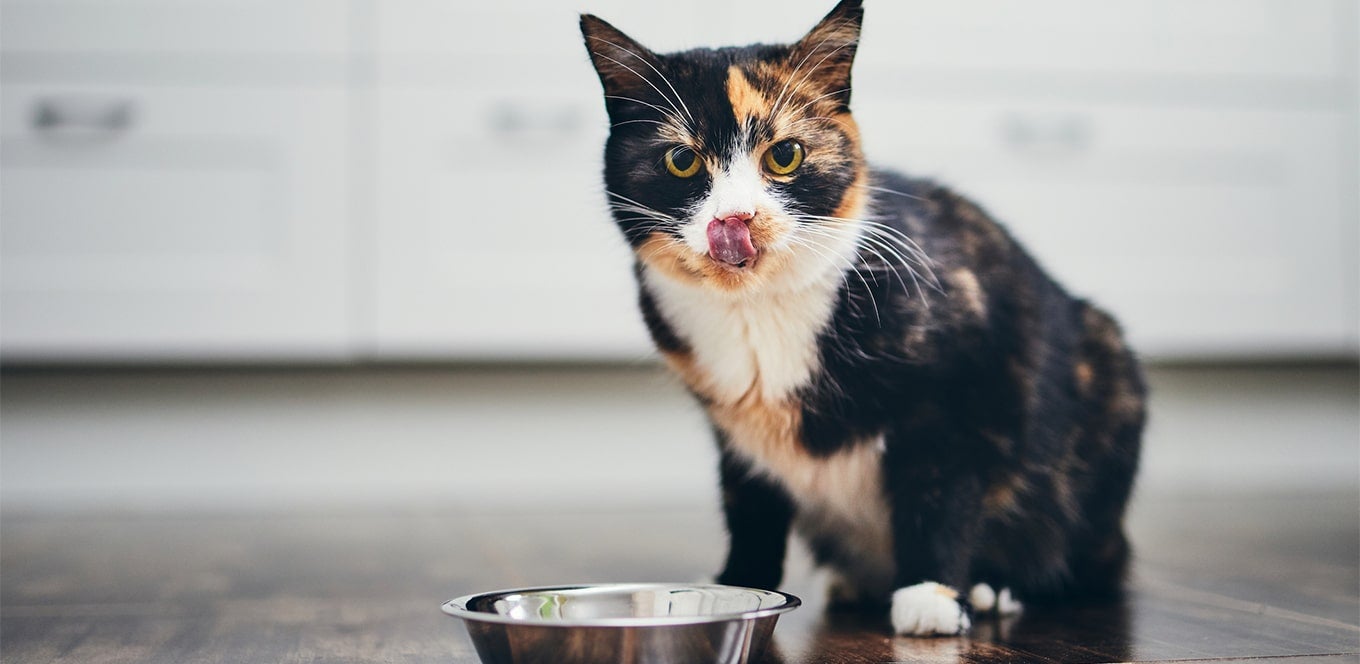
Why should cat food have sodium in it? Sodium content in cat food has an important nutritional and dietary function, just like it does in your food! But it’s important to understand just what it does and how much of it is healthy. That way you can make the best possible decisions about what to feed your cat.
Sodium is an essential mineral for life. Inside the body it is found in the blood and in the fluid that surrounds cells. Sodium itself helps ensure proper nerve and muscle cell functions, maintains a healthy cellular environment and prevents cells from swelling or dehydrating. The sodium levels in IAMS™ cat foods are balanced with other minerals, vitamins, fats, proteins and carbohydrates. That way you can be sure your cat is getting enough for their health.
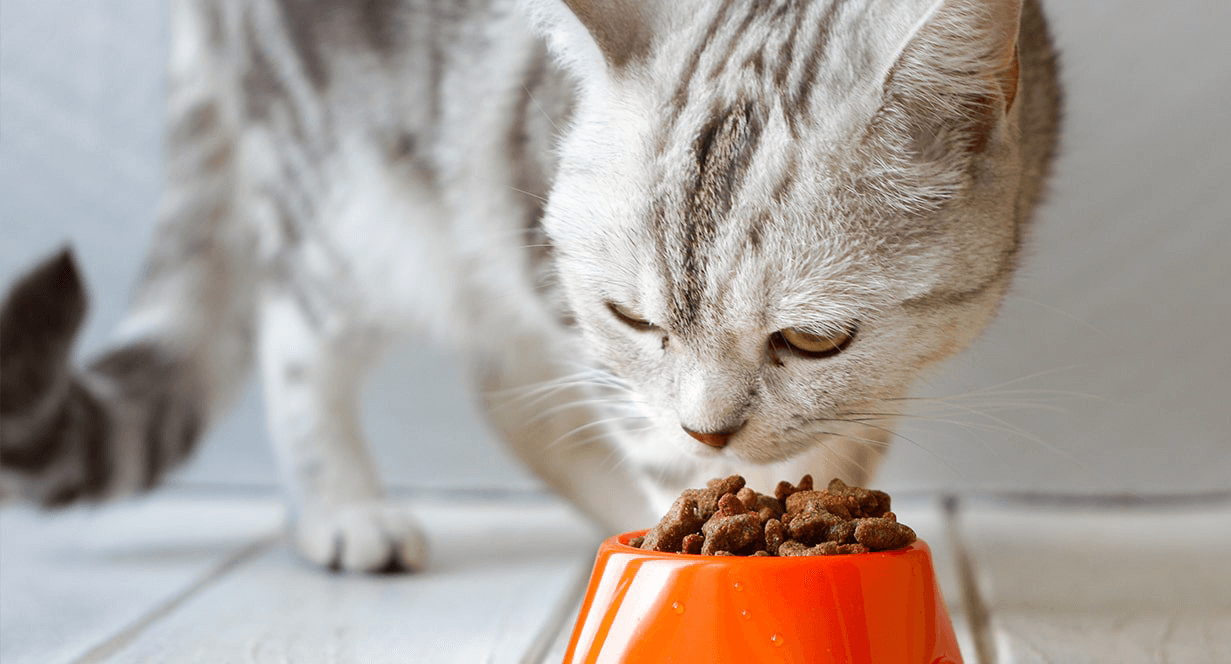
Meat, poultry, fish and eggs are all good natural sources of sodium, and are the primary ingredients in all IAMS™ cat foods including IAMS™ PROACTIVE HEALTH™ Healthy Adult.
Sodium may also be included in commercial cat foods in the form of ordinary table salt. Salt is an important ingredient in making food more palatable for animals, as well as for people.
The Association of American Feed Control Officials recommends that dry cat foods contain at least a minimum of 0.2%1 sodium — 0.2% of dry matter your cat eats, or 0.5 grams per 1,000 kcal — for maintenance and to support normal growth and development. While higher sodium intake may cause increased thirst, water consumption and urination, excess sodium is passed in the urine.
A veterinarian may recommend changing your cat’s sodium intake to help decrease high blood pressure, eliminate excessive body fluid or as a precaution if kidney, liver or heart heath is a concern. You can keep track of your cat’s overall wellbeing at home if you regularly check their C.A.T.S. — Coat, Appetite, Temperament and Size — for any changes that might lead to questions for the vet.
Healthy cats of all ages don’t normally require a low- or reduced-sodium diet, so be sure to talk to your vet about any sodium concerns you may have before making a change.
Cats’ bodies work differently from our own, and learning to care for them is a process! What your cat eats impacts everything from their energy levels to their mood to the health of their skin and coat. By understanding what healthy cats and kittens need from their food, like sodium, antioxidants, fiber and more, you’re better able to give your cat a diet that helps them thrive.


What is it about owning a cat that just makes life better? After all, cat ownership isn’t all snuggles and purrs — it can be a big responsibility. They eat every day. (Who would’ve guessed?) They need routine health care, just like their owner. Some cats are serious fur factories, and some will hack up hairballs the size of a kitten. Despite all of the duties and challenges, owning a cat improves our lives. Let’s dive into how cats help humans.
You’ve probably heard that cats are aloof, but that’s not always the case. They can be affectionate, playful and highly attached to their owners, much like a dog. It’s just that cats are at a disadvantage versus dogs because they don’t have the facial physiology that lets their canine counterparts “smile” all the time.
So, don’t be fooled — cats are not only happy; they’re also immensely talented at bringing joy to their humans. In the market for crazy antics one minute, soft cuddles the next? Cats are a low-risk, high-yield investment in complex personalities.
With any cat adoption, you are literally saving that animal’s life. Plus, you’re supporting the organization you adopt from, which in turn allows them to help more animals in need, so you’re basically a hero. And all these good feelings happen before you even bring your new kitty home!
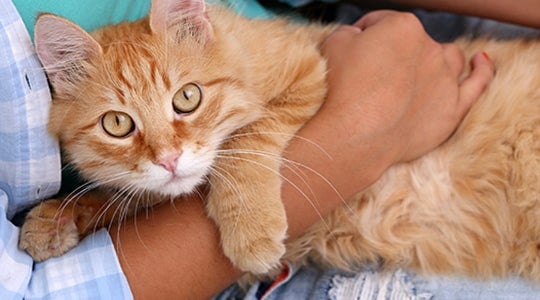
Who couldn’t use another friend? Especially one that’s a furry, adorable biscuit factory. Research shows that having a cat can reduce stress and increase confidence, and it’s hard to beat quality time with a cat for anxiety relief. Journalist Jane Pauley once said, “You cannot look at a sleeping cat and feel tense.”
Adopting a cat can be a great move for children, too. There’s no better way to nurture values such as responsibility and empathy than with a frolicky, purr-motored pal. A survey of parents found that children who had bonded with a feline friend enjoyed a higher quality of life. (They wanted to survey the cats too, but there was a sunny spot on the carpet that needed to be napped in, so …)
Cats are amazing. They entertain us by defying gravity and contorting themselves into spine-twisting postures. An inquisitive meow or a nudge with their head can totally banish a bad mood. They are the perfect companion to all. If you’re thinking about adding a cute, fluffy, serotonin-boosting kitty cat, this is your sign: Do it!