Enter a keyword below to search for articles and products.
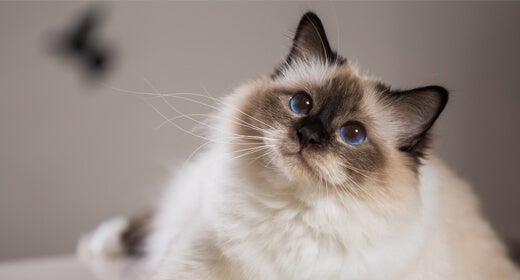
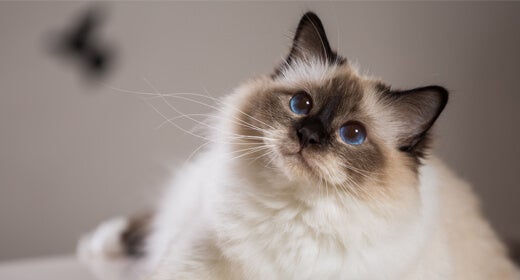
Your cat’s skin and coat help keep viruses and bacteria from entering the body and prevent water and heat from leaving it. And because nutrients such as protein, fat, vitamins and minerals play crucial roles in your cat’s skin and coat health, it’s important to make sure your cat is receiving the right types and amounts. IAMS™ cat foods are designed to provide your cat with the nutrition they need to support their skin and coat health.
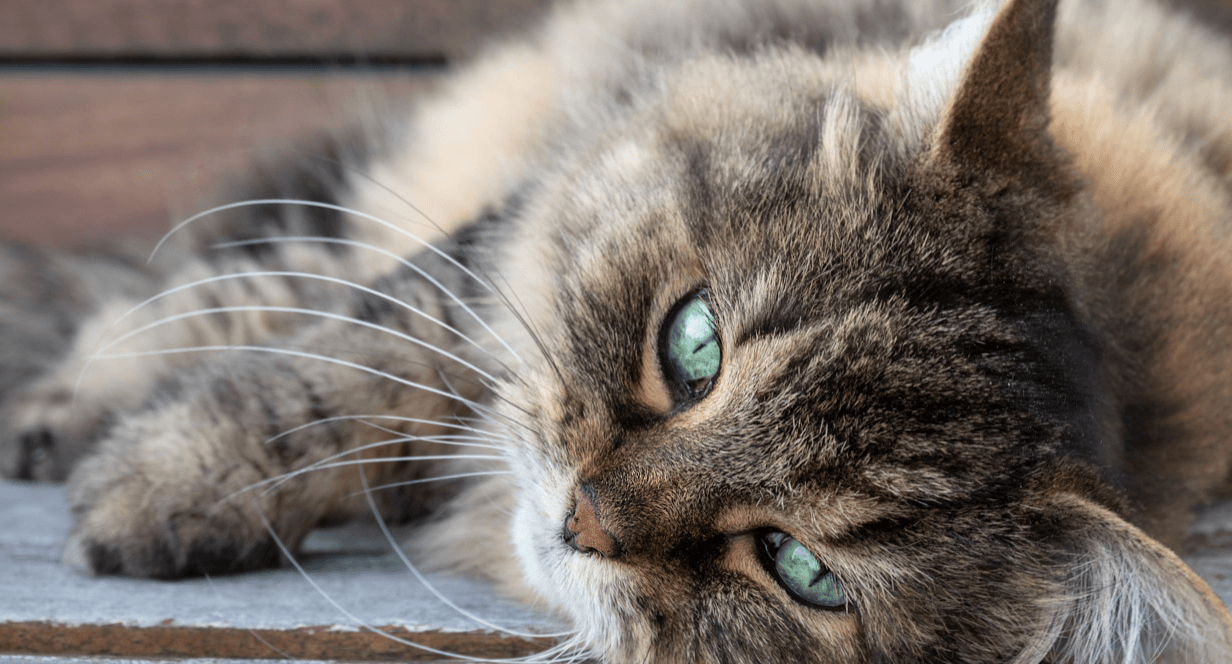
Without Proper Nutrition
With Proper Nutrition
Your cat’s hair coat is composed almost entirely of protein. If your cat’s diet doesn’t contain enough quality protein, her hair may fall out or become dry, weak and brittle.
But not all proteins are alike. Proteins are found in both animal- and plant-based ingredients. Animal-based proteins contain all of the essential amino acids cats need, while plant-based proteins may contain only some. Cats need the nutrients in animal-based protein sources for the best health.
Fats also can be found in both animal- and plant-based ingredients, and are incorporated into skin cells as fatty acids. Three fatty acids help maintain your cat’s skin and coat condition:
Without these fatty acids, cats may experience a dull, dry coat, hair loss and greasy skin.
To promote your cat’s skin health and elasticity, make sure to provide clean, fresh water at all times.
Most cat foods contain more than the required amount of linoleic acid, an omega-6 fatty acid. However, IAMS research shows that it is not just the amount, but the ratio of omega-6 to omega-3 fatty acids that is most beneficial to cats.
The optimal omega-6 to omega-3 fatty acid ratio to maintain a healthy skin and coat in cats is between 5:1 and 10:1. In other words, five to 10 omega-6 fatty acids should be present for every one omega-3 fatty acid.
Vitamins and minerals are essential for the development of healthy skin and coat. The best way to provide them is through a complete and balanced diet rather than through supplements.
| Vitamin or Mineral | Role in Skin and Coat Health |
| Vitamin A | Necessary for growth and repair of skin |
| Vitamin E | An antioxidant that helps maintain the health of skin cells |
| Vitamin C | An antioxidant that helps maintain the health of skin cells |
| Biotin | Aids in the utilization of protein |
| Riboflavin (B2) | Necessary for fat and protein metabolism |
| Zinc | Necessary for fat and protein metabolism |
| Copper | Involved in tissue, pigment, and protein synthesis |
The protein, fatty acids, vitamins and minerals in your cat’s food all play a vital role in your cat’s skin condition and coat health. While other factors, including the season and your cat’s age, can also affect the health of your cat’s hair and skin, optimal nutrition can help support a shiny coat and healthy skin.
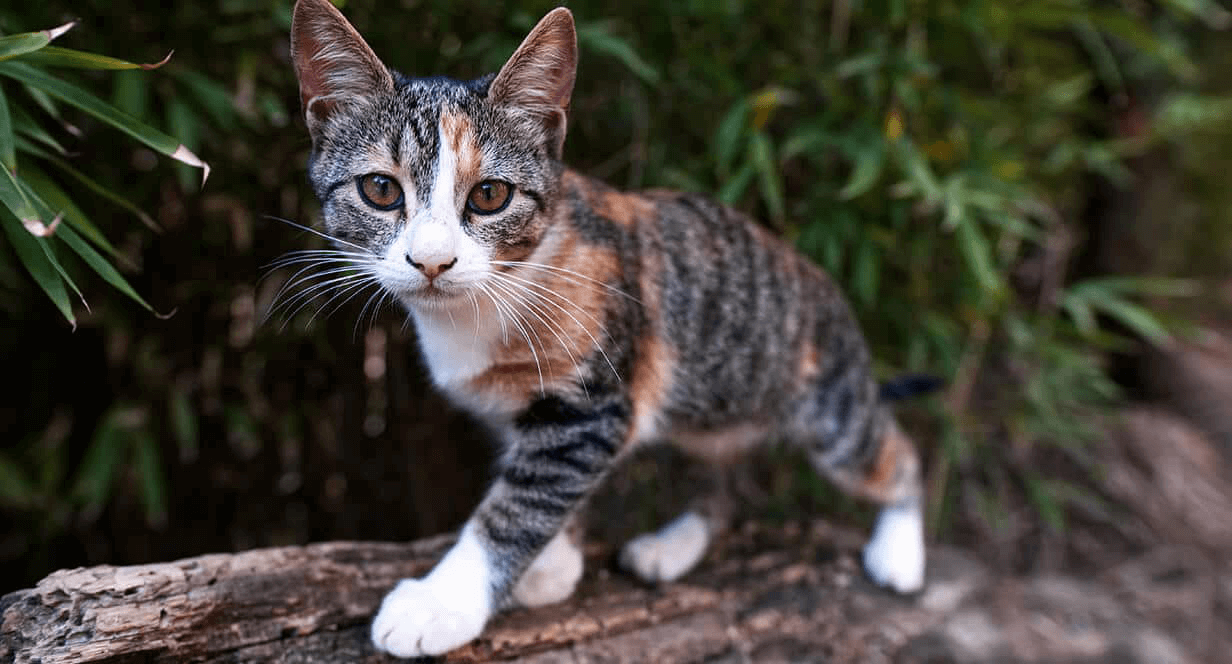
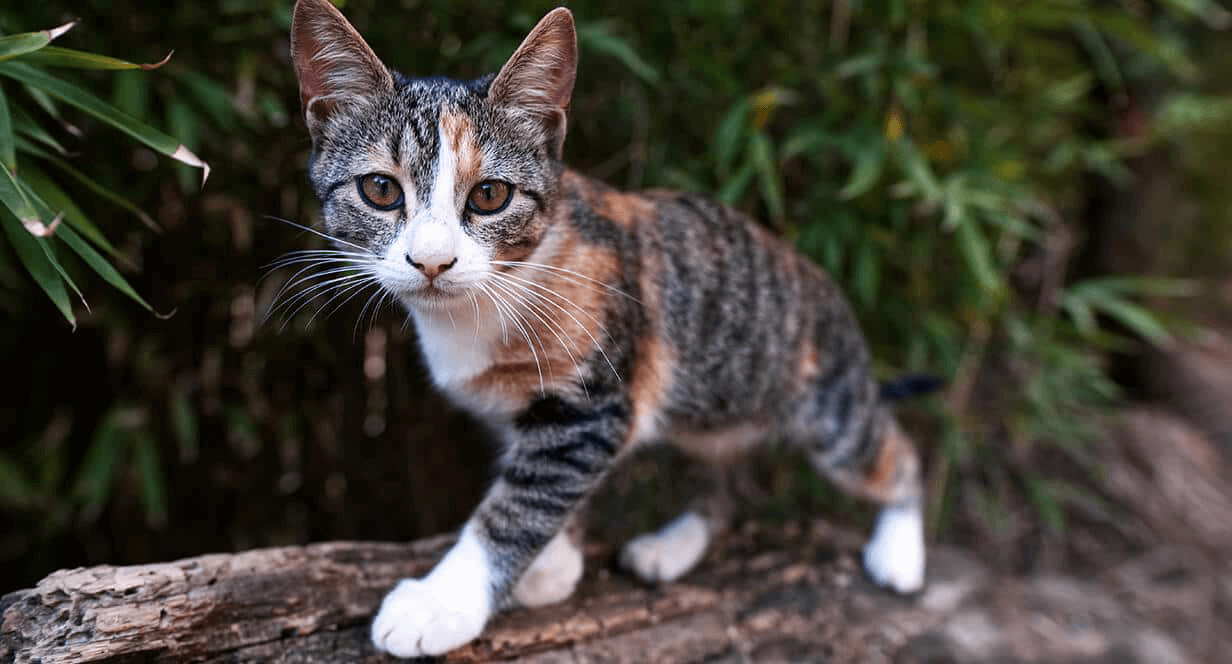
Is anything cuter than an adorable kitten with a gorgeous, healthy coat? We don’t think so. That’s why we include fish oil in IAMS™ dry kitten food to help promote healthy skin and a healthy coat for your furry bundle of joy.
Let’s dive deeper into fish oil and meal, what it does, how it can help your kitten and why it’s an important component in all IAMS™ dry kitten foods.
Let’s dive deeper into fish oil and meal, what it does, how it can help your kitten and why it’s an important component in all IAMS™ dry kitten foods.
You guessed it: Fish oil is fat or oil extracted from fish. Fish meal, which is used in IAMS™ dry kitten foods, is a good source of natural fish oil — which is a high-quality source of omega-3 fatty acids.
Now, time for a science lesson! Fatty acids, a smaller component of fat, are critical for many kitten body functions. Omega-3 fatty acids are a type of fatty acid with important nutritional value for kittens. Fish oil from deep, cold-water fish contains omega-3 fatty acids including eicosapentaenoic acid (EPA) and docosahexaenoic acid (DHA).
When a kitten eats food with fatty acids, the fatty acids are incorporated into their tissues, including the skin. (Turns out you really are what you eat!) Omega-3 fatty acids produce substances that promote healthy skin conditions, especially when balanced with omega-6 fatty acids (found in common kitten food ingredients such as chicken fat and corn oil).
So what does all this mean for your kitten? Feeding a complete and balanced diet with a balanced ratio of omega-6 and omega-3 fatty acids is proven to promote healthy skin and a shiny coat in cats1. Studies reveal that when fed fish oil, cats show:
DHA from fish oil has also been shown to promote healthy brain and vision development in kittens — important for all the hours of play and nighttime zoomies your kitten will experience in their lifetime.
All IAMS™ dry kitten foods, such as IAMS™ ProActive Health™ Mother And Kitten, are formulated with fish oil and an optimal ratio of omega-3 and omega-6 fatty acids. Proper nutrition as a kitten can help support your kitten’s soft and shiny coat now — and for all the years to come.
1 Data on file, The IAMS™ Company, 2000.