Enter a keyword below to search for articles and products.
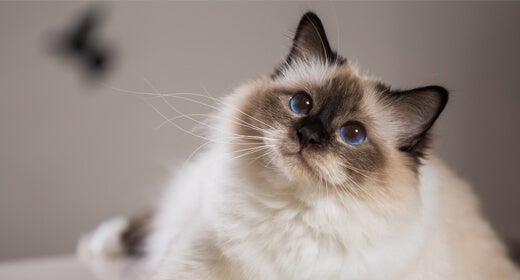
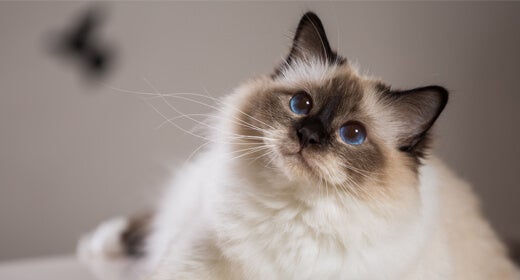
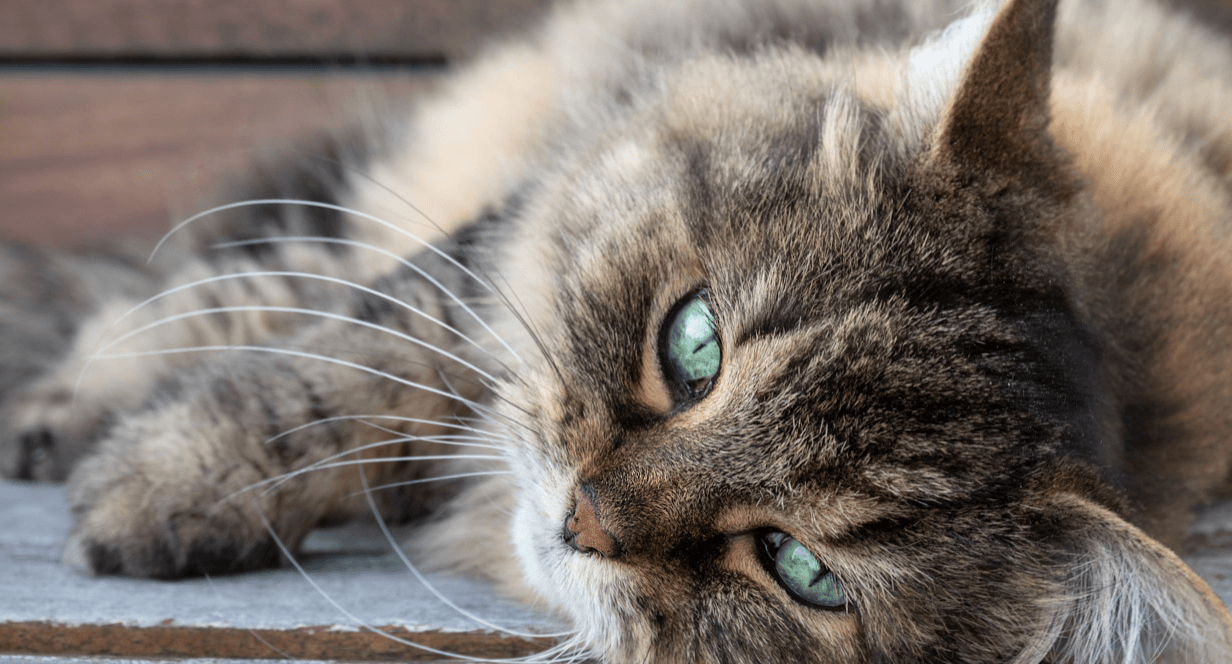
Your cat’s skin and coat help keep viruses and bacteria from entering the body and prevent water and heat from leaving it. And because nutrients such as protein, fat, vitamins and minerals play crucial roles in your cat’s skin and coat health, it’s important to make sure your cat is receiving the right types and amounts. IAMS™ cat foods are designed to provide your cat with the nutrition they need to support their skin and coat health.
Without Proper Nutrition
With Proper Nutrition
Your cat’s hair coat is composed almost entirely of protein. If your cat’s diet doesn’t contain enough quality protein, her hair may fall out or become dry, weak and brittle.
But not all proteins are alike. Proteins are found in both animal- and plant-based ingredients. Animal-based proteins contain all of the essential amino acids cats need, while plant-based proteins may contain only some. Cats need the nutrients in animal-based protein sources for the best health.
Fats also can be found in both animal- and plant-based ingredients, and are incorporated into skin cells as fatty acids. Three fatty acids help maintain your cat’s skin and coat condition:
Without these fatty acids, cats may experience a dull, dry coat, hair loss and greasy skin.
To promote your cat’s skin health and elasticity, make sure to provide clean, fresh water at all times.
Most cat foods contain more than the required amount of linoleic acid, an omega-6 fatty acid. However, IAMS research shows that it is not just the amount, but the ratio of omega-6 to omega-3 fatty acids that is most beneficial to cats.
The optimal omega-6 to omega-3 fatty acid ratio to maintain a healthy skin and coat in cats is between 5:1 and 10:1. In other words, five to 10 omega-6 fatty acids should be present for every one omega-3 fatty acid.
Vitamins and minerals are essential for the development of healthy skin and coat. The best way to provide them is through a complete and balanced diet rather than through supplements.
| Vitamin or Mineral | Role in Skin and Coat Health |
| Vitamin A | Necessary for growth and repair of skin |
| Vitamin E | An antioxidant that helps maintain the health of skin cells |
| Vitamin C | An antioxidant that helps maintain the health of skin cells |
| Biotin | Aids in the utilization of protein |
| Riboflavin (B2) | Necessary for fat and protein metabolism |
| Zinc | Necessary for fat and protein metabolism |
| Copper | Involved in tissue, pigment, and protein synthesis |
The protein, fatty acids, vitamins and minerals in your cat’s food all play a vital role in your cat’s skin condition and coat health. While other factors, including the season and your cat’s age, can also affect the health of your cat’s hair and skin, optimal nutrition can help support a shiny coat and healthy skin.
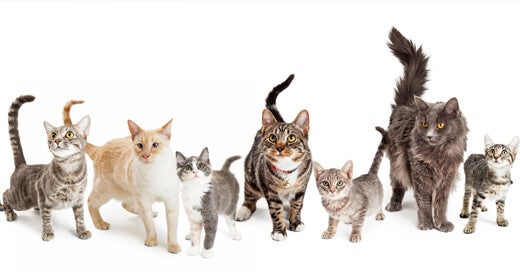
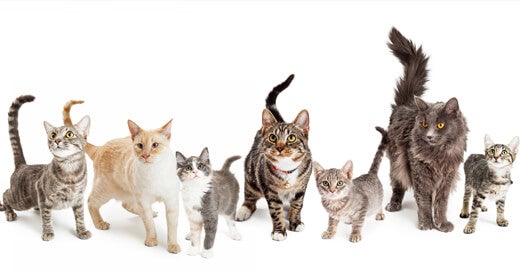
Your adult cat is a perfect specimen of mobility, speed, acuity, and grace. She is in her prime. She shines in her gleaming coat and her eyes are bright.
Jumping, twisting, and landing, her skeleton bears strain our own bodies could never endure. Her muscles are highly flexible. Her movements are lightning fast and her senses highly tuned.
Between ages 1 and 8, your cat will experience the equivalent of a human's journey from teenager to late middle age. As caretaker, you are responsible for good adult cat health and lifestyle in these years and beyond.
It can be difficult to keep such an adventurous creature indoors. But to do so is proven to extend a cat's life, because it limits exposure to predators, cars, fleas, and other cats that may have diseases such as feline leukemia or feline immunodeficiency virus (FIV). Keep your cat duly entertained indoors by providing toys, structures to climb on, spots near windows to watch the action outdoors, or–if she responds to them–TV and special videos.
One potential side effect of being a pampered, indoor cat is obesity. If your cat starts to gain weight, limit or change her diet and encourage more exercise. Make time for play with your cat each day.
An adult cat should visit the vet annually. Dental and gum disease, diabetes, hyperthyroidism, and other medical problems can present themselves in adulthood to middle age. Early detection is essential to successful treatment and extended life.
As your cat nears 8 years old, be sure to watch for signs of other age-related illnesses such as weight loss, decreased appetite, neglect of grooming, increased thirst and urination, and retreating from the household.
Both you and your cat will enjoy these peak years. They will be filled with acrobatic antics and lithe poses you can't help photographing. If you take the appropriate precautions, you can extend the health and fun for many years.