Enter a keyword below to search for articles and products.
It’s common sense that feeding your cat a high-quality diet has its benefits. But when it comes to maximizing your cat’s lifespan, diet is only part of the equation. Read up on everything you need to do to ensure your cat lives happily for a long time to come.
Let’s start with something you do every day: feed your cat. There are several healthy options to choose from, so we’ll help you zero in on the formula that’s best for your cat. It’s important to note that cats are natural carnivores. Therefore, a formula with meat as the primary ingredient is a great place to start. Meat as a protein source has certain nutrients, such as taurine, that non-meat protein sources simply do not.
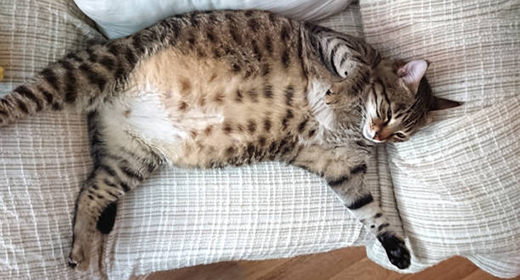
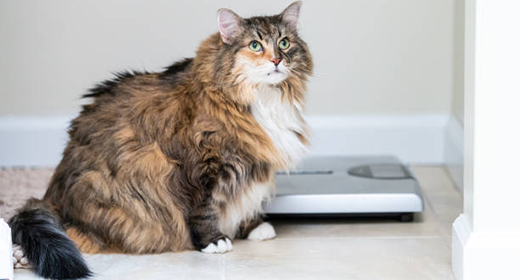
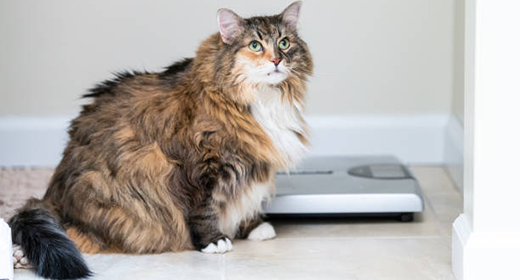
Regular visits to the veterinarian can help nip health issues in the bud. For instance, a vet will be able to tell if your cat is gaining too much weight and can recommend a diet and fitness program to get your kitty back to a healthy size.
You may even want to bring a fresh fecal sample along to your next appointment. Your vet can use this sample to search for ringworms. This tip can save you extra trips to the vet’s office in case your cat does not cooperate, so to speak, during her appointment.
Also, vets provide your cat with the vaccinations she needs to fight off diseases such as feline rabies. Some vaccinations are required annually, while others should be administered every three years. Your vet’s office can help you keep track of it all, so remember to schedule that appointment!
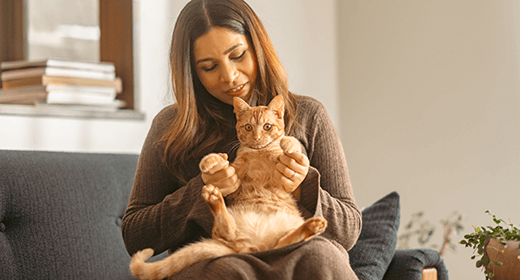
Your cat relies on you for more than just healthy food and fresh water. She needs stimulation. Sure, cats love their independence, but let’s be honest, they love getting attention. By playing with your cat for even 10 to 15 minutes a day, you are doing wonders for her lifespan. Some great games to play don’t even require fancy toys. Get a piece of string and tie it around a clean sock, then yank the string whenever your cat comes in close to investigate. Voila! Instant fun!
Cats don’t go on runs like dogs do, so keeping your cat active with games and toys is the best way to help keep her fit.
Follow these tips and your cat will be on her way to a long and happy life with you. You’re a great owner for taking the time to read this article. It shows how much you really care about her. Now step away from the computer and show your cat some attention!
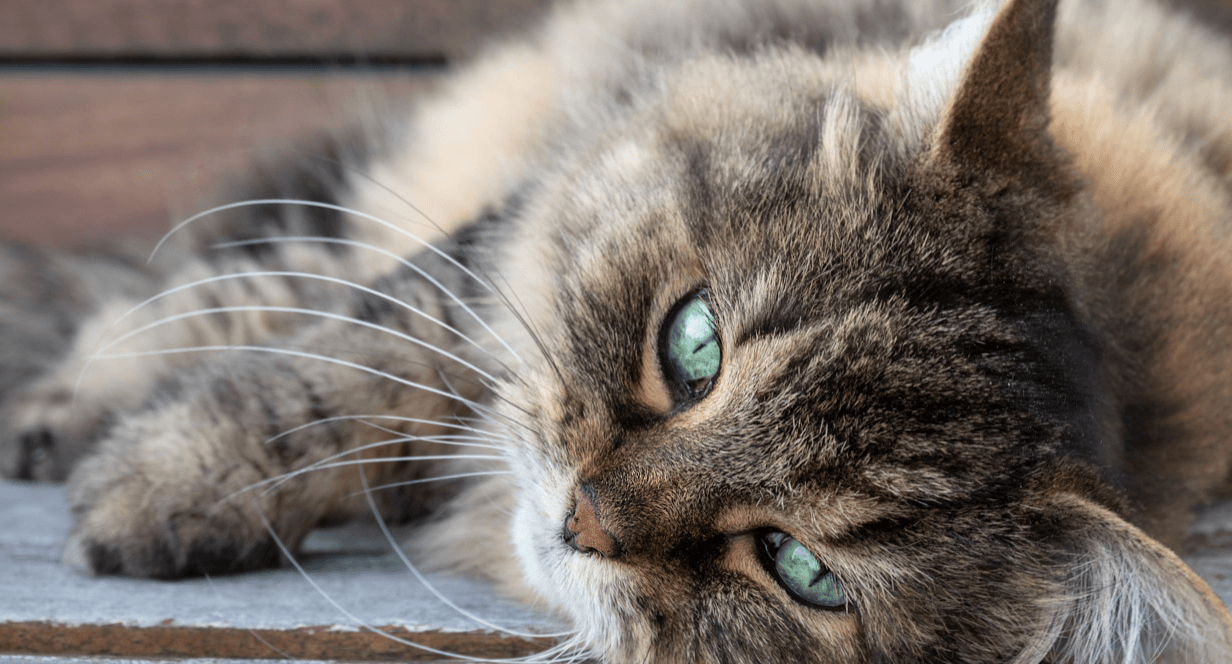
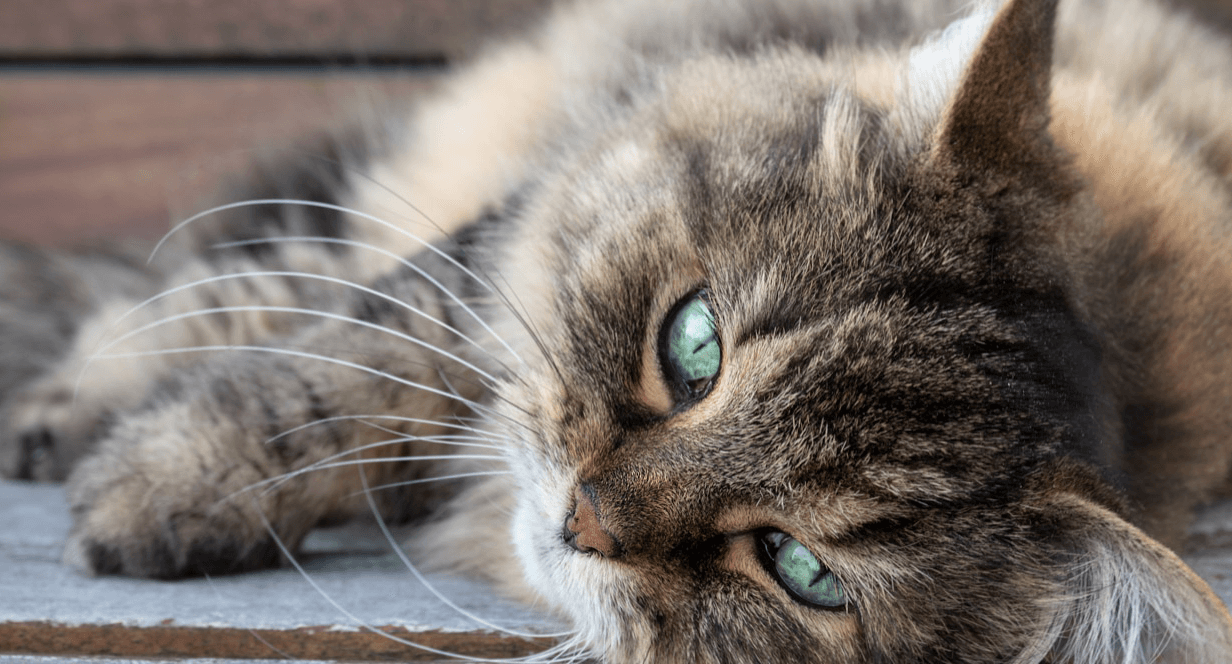
No matter how much you want them to stay adorable kittens, every cat eventually grows up to become an adorable senior. In fact, thanks to improvements in medical care and nutrition, cats are now living longer and healthier lives than ever before.
But as they age, your cat’s needs can change. By staying aware of the common signs of aging in cats and making a few adjustments to help them stay comfortable, you can turn your cat’s older years into their golden years.
Every feline is unique, but cats are usually considered senior once they reach 7 years old. Your older cat isn’t going to start leaving the blinker on or hiking their pants up to their armpits, but there are signs that may indicate your cat is getting on in years.
Older cats often eat less as their senses of smell and taste diminish. Sudden weight loss or gain could be a sign that something is off.
We all know cats love to sleep, but if yours is sleeping more than usual and doesn’t show the same interest in playing or other activities, it could indicate lower energy levels. Not being able to jump or climb to their favorite spots could be a sign of arthritis as well.
It’s a good idea to check your older cat’s teeth more often, looking for any changes in appearance. If they’re pawing at their mouth or aren’t eating as much, it could mean something is amiss. If you suspect there’s an issue, consult your vet.
With a few simple changes, you can keep your older cat happy and comfortable for many years to come — here’s how.
It can be harder for older cats to groom themselves as thoroughly as before. You can lend a helping hand by giving them regular brushings. Make sure to keep their nails trimmed, too. It’s a great way to spend some extra quality time together.
After years of leaping onto the kitchen counter when you weren’t looking, your senior kitty might have trouble getting to their favorite spots. You may want to place a ramp or folding steps near their favorite couch or bed so they don’t have to jump as much. Make sure they have easy access to their food and litter box, too. Adding a litter box on each floor of your house can help prevent accidents.
Older cats love their routines. The more you’re able to keep things consistent and predictable, the calmer and less frightened they’ll be.
One cat year is like four human years, so a lot can happen in that span, especially in older cats. More frequent vet exams can detect health issues before they become serious.
Cats crave warmth. Make sure your grandcat has access to a number of sunny spots or heating vents to keep them toasty. Leave comfortable, warm blankets around your home for lounging, and consider bumping up the thermostat a degree or two for them — even though their favorite furnace will always be your lap.