IAMS IN
Kitten Basics: How to Keep Your Kitten in Good Health

adp_description_block431
Kitten Basics: How to Keep Your Kitten in Good Health

  • Share

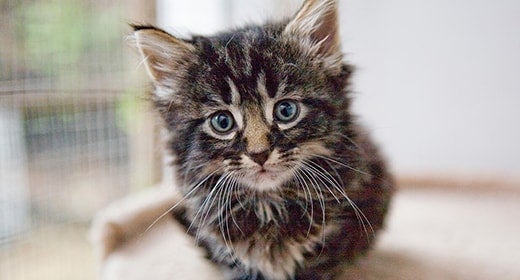
So you have a new kitten — congratulations! You’re about to embark on a pet ownership journey that could span several decades. But if you’ve never owned a cat or kitten before, you may have questions about how to keep your kitten healthy and thriving. Use our guide to get started, and welcome to pet parenthood.


Choose a Veterinarian

When you choose a veterinarian, you’re choosing a partner in your kitten’s health care. Scheduled vaccinations and yearly examinations mean that you’ll see your veterinarian on a regular basis, so choose wisely. When researching veterinary clinics for your cat, make sure to do the following:

  • Get recommendations from friends, co-workers and other cat owners, and compile an initial list of clinics. Ask them what they like about each one.
  • Visit each clinic, introduce yourself as a potential client and ask for a tour.
  • Look for a clean, sterile hospital with up-to-date equipment.
  • Ask about emergency care, hours and any equipment or terms you don’t understand.
  • Ask about the fees for basic shots and exams.


Get Your Kitten Spayed or Neutered

Owners should have their cats spayed or neutered unless they plan to show or breed them. Veterinarians advise spaying or neutering by at least 6 months of age. Consider the following:


What Is Spaying or Neutering?

  • “Fixing” is the common term for feline surgical sterilization or male neutering.
  • In females, removal of the uterus and ovaries is called spaying.
  • In males, removal of the testicles is called neutering or castration.


Why Should You Spay or Neuter?

Each year, millions of cats are euthanized because the new cat population far exceeds the number of homes that can be found for them. Here’s why you should consider spaying or neutering your kitten:

  • Spaying eliminates behavior associated with heat cycles, such as wailing to attract males or spraying urine.
  • Spaying helps prevent potential health problems, including breast tumors and uterine disease, possibly adding years to your cat’s life.
  • Spaying or neutering helps prevent the occurrence of unwanted litters.
  • Neutering reduces the effects of puberty and hormones. A neutered male is less likely to mark territory by spraying urine and less apt to roam and get lost, and he won’t congregate or fight with other toms over a female in heat.


Learn about Common Cat Health Issues

While we hope your kitten experiences few, if any, health issues over the course of her life, it’s smart to familiarize yourself with common cat ailments. Use our guide to some of the most common medical issues that can affect kitten health. The more you know, the better you’ll be able to notice when your kitten isn’t feeling well.


Fleas

Most common in warm spring and summer months, these pinhead-size insects can be active all year long. Fleas can jump onto your cat, lay their eggs, breed, and spread to your furniture and to you, looking for blood. In addition to causing discomfort and scratching in many cats, fleas can transmit parasitic or infectious diseases, including tapeworms. A severe flea infestation may, in turn, cause anemia (low red blood cell count) and/or allergic dermatitis, a skin allergy characterized by itching and irritation. Though some cats become irritable and scratch, others have no visible signs of discomfort.
 

Luckily, flea prevention treatments are numerous and easy to give:

  • Flea collars, powders and liquid baths are available in pet stores or from your veterinarian. Your veterinarian also can recommend monthly treatments to prevent fleas.
  • Check your cat weekly by rolling her onto her back and looking closely at the belly and around the base of the tail for the small, dark insects, as well as for flea “dirt” — small, dark, pepper-like specks. If the dirt turns red when water is added, your cat has fleas.
  • Choose treatments that contain IGRs (insect growth regulators), which interrupt a flea’s life cycle. Without IGRs, flea eggs hatch every 21 days, making repeated treatments necessary.
  • Treat your yard and house for eggs, larvae and pupae. If you use a lawn-care company, include flea treatment as part of your maintenance plan.
  • Plant marigolds and chrysanthemums in your yard. They contain natural insecticides that may repel fleas.


Hairballs

Hairballs are tube-shaped, brown masses of hair fibers. When cats clean themselves, they swallow fur. Because hair isn’t digestible, it either passes through and ends up in the litter box or it is vomited.
 

Cats that pass hairballs more than once a week or that pass foul-smelling hairballs may have a serious underlying health problem. See your veterinarian if your cat experiences frequent hairballs.
 

Here’s how to help prevent hairballs in your kitten or cat:

  • Keep your cat well-groomed with regular brushing.
  • Brush all of your cats, not just the ones with hairballs, because cats often groom each other.
  • Try this easy home remedy: Apply 1 teaspoon of petroleum jelly to the top of each paw. Rub it in before your cat can flick it away. Your cat will lick it off her paws, and it will help ease the hairball through the intestinal tract. Apply jelly for several days.
  • When your kitten is fully grown, feed her IAMS™ ProActive Health™ Hairball Care, which helps reduce the likelihood that hairballs will form. It contains a natural fiber system that gently passes ingested hair through the digestive tract.


Feline Lower Urinary Tract Disease (FLUTD)

Feline lower urinary tract disease is a potentially fatal, painful inflammation of the lower urinary tract that can be caused by viruses, bacteria, diet, decreased water consumption or urine retention.
 

Symptoms include blood in the urine, difficult and frequent urination (often in small quantities), inappropriate urination, lack of energy and loss of appetite.
 

You can help your cat maintain proper urinary acidity and magnesium levels through a properly balanced diet that helps promote urinary tract health.
  • How to Help Your Obese Cat Lose Weight
    How to Help Your Obese Cat Lose Weight
    adp_description_block158
    How to Help Your Obese Cat Lose Weight

    • Share

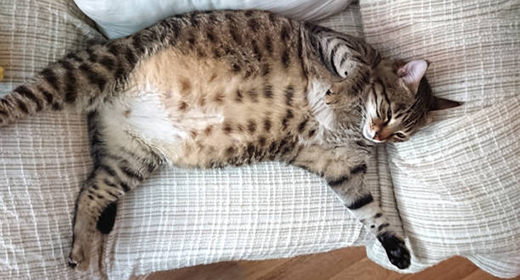
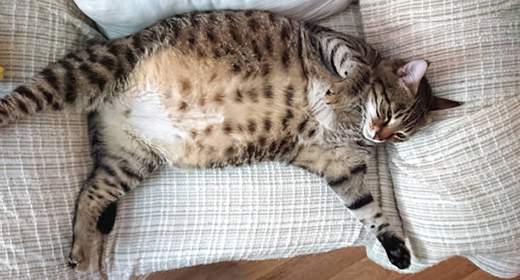
    An obese cat is not a pretty sight. Cumbersome and clumsy, they suffer a marked loss in athletic ability and appearance. Decreased flexibility prevents them from thoroughly grooming, which can cause skin problems. Obese cats also have an increased risk for diabetes and are poor candidates for surgery and anesthesia.


    Obesity results when an animal consistently eats more calories than they need. This can be caused by overfeeding, inactivity, reproductive status, environment, body type, age or genetics.


    Is Your Cat Obese?

    Assessing body condition is important in the overall evaluation of your cat’s nutritional well-being and can help in determining feline obesity. Take a few moments to follow the easy directions in the Cat Body Condition Chart for assessing your cat’s body condition.
     

    If you suspect your cat is obese, the first step is to consult your veterinarian.


    How to Help Your Cat Lose Weight


    1. Visit the Veterinarian

    Your veterinarian will probably ask you some questions about your cat, such as how much they eat and how much physical activity they get. Answering these questions honestly will help your veterinarian recommend some simple changes to help improve your cat’s weight. Your veterinarian may also perform tests to detect medical conditions that may contribute to obesity — you want to rule these out before starting your cat on any weight-management program.


     2. Reduce the Amount You Feed Your Cat

    Your veterinarian may first suggest reducing the amount you feed your cat. If so, begin by reducing the daily portion by 25%. Continue decreasing intake by 10% increments every two to three weeks until your cat loses 1% of their starting weight. For example, if your cat weighs 15 pounds, a 1% loss would be 2½ ounces.
     

    If you feed one large meal a day, or keep food available at all times, try dividing the daily ration into several small meals (at least two meals a day) and pick up what your cat doesn’t eat 30 minutes after each meal.
     

    A diet that contains slowly digested carbohydrates, such as corn and sorghum, can result in lower blood sugar and insulin levels than a diet that contains rice as the primary carbohydrate source. Lower blood sugar and insulin levels can also help with maintaining a proper weight.


    3. Change Your Cat’s Diet Gradually

    Changing diets can be stressful for pets, so if your veterinarian recommends changing diets, proceed slowly.
     

    Begin with a daily portion that mixes 25% of the new food with 75% of the old food. The next day, increase the amount of new food to 50% and decrease the amount of the old food to 50%. During the next few days, continue increasing the proportions of the new food and decreasing the amount of old food until the food consists entirely of the new diet. This method increases the likelihood that your cat will accept the new diet and decreases the occurrence of stomach upsets.


    4. Encourage Your Cat to Play

    Another way to help your cat lose weight is to increase their activity. Provide cat trees for climbing, or teach your cat to play fetch or walk on a leash. Buy or create your own toys that encourage exercise. One ingenious owner tosses her cat’s dry food ration across the room a piece at a time!
     

    You also can use your cat’s natural hunting instinct to help them lose weight. Hide several small portions of their daily food ration around the house. If you have a multilevel home, make your cat use the stairs.
     

    Use your imagination, but be cautious. Don’t let a fat cat get exhausted, overheated or out of breath. Also, keep in mind that a senior cat may not be able to exercise vigorously.
     

    Replace food treats with rewards like playtime, grooming, stroking or conversation. If you cannot resist the fat cat who begs for food at the dinner table, keep them in another room during dinnertime. If you have a multi-cat household, the consistent winner of the food competition sweepstakes is often obese. If this is the case, separate the cats at mealtimes if possible.


     5. Practice Patience

    Obesity is easier to prevent than to cure, but it is never too late to reverse it — though it requires long-term patience and commitment. Helping cats lose weight is a slow process. If the amount they eat is severely restricted, the cat risks other health problems.
     

    Increased activity, behavior modification (for both you and your cat) and calorie restriction are your best tools for helping an obese cat lose weight. However, it is important to expect a few setbacks and plateaus. It will take at least four months for an obese cat to lose 15% of their starting weight. At that point, have another look at your cat’s body condition and go from there.
     

    Tips for Starting a Weight-management Program for Your Cat

    • Always check with your veterinarian first.
    • Eliminate all food treats.
    • Divide the daily food portion into several smaller meals.
    • Weigh your cat every two weeks.
    • Cats should not lose more than 1% to 1.5% of initial weight per week.
    • Be patient and consistent!

Close modal