Enter a keyword below to search for articles and products.
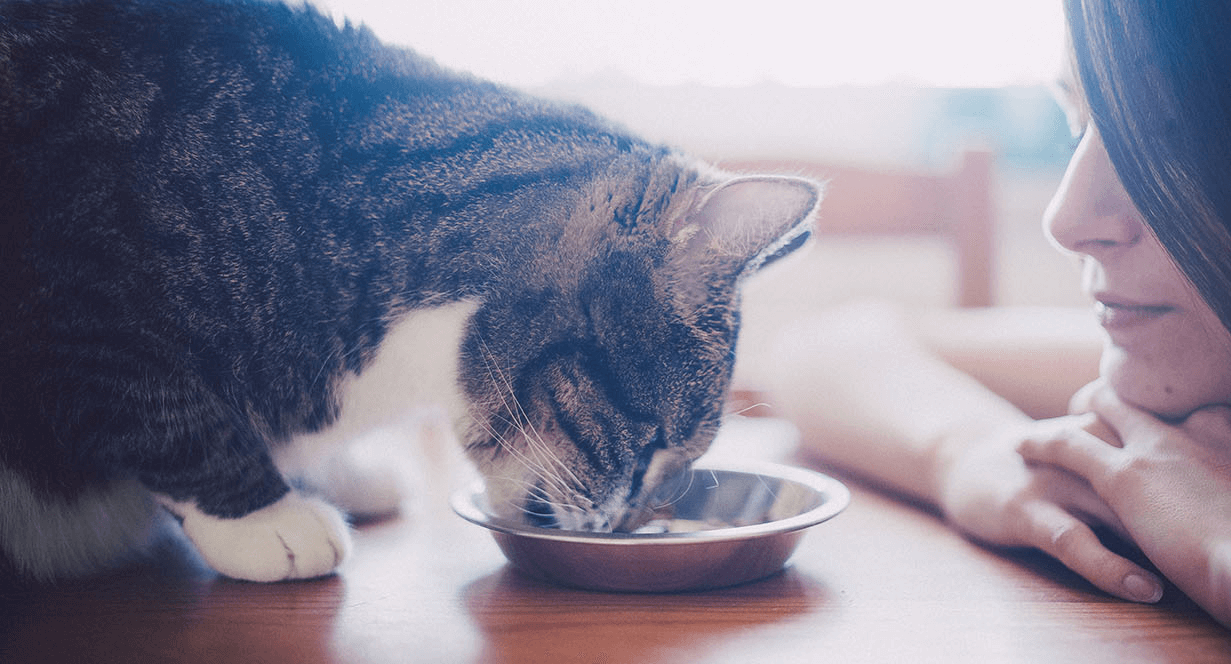
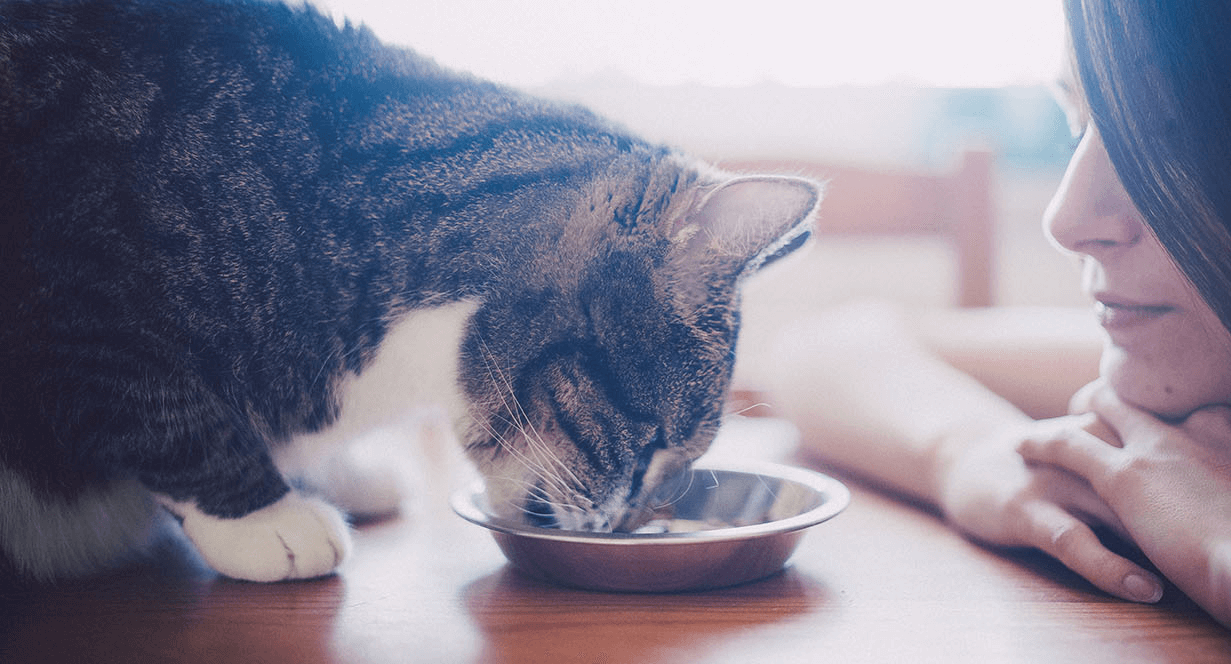
When you adopted your kitten, you couldn't dream of feeding her anything but food designed for her growing body. Now that she's nearly grown, it's time to start thinking about a premium formula specially made for adult cats.
Though she still plays like a kitten, your adolescent cat is quickly maturing into an adult, and contrary to what some would have you believe, one food (whether it's kitten food or adult food) doesn't fit all cats. The nutritional needs of kittens and cats are vastly different, and it's critical to give your pet premium nutrition that's age-appropriate.
Why move your nearly grown kitten to a premium adult cat food? Because quality counts. It's important to continue the superb nutrition she's been getting from a premium kitten food into adulthood. Downgrading to a basic nutrition brand at this stage of her life may upset her digestive system and certainly won't provide her with the same type of nutrition she was raised on.
Think of a baby. When it's time to start giving him solid food, you wouldn't feed your child anything less than the best nutrition you can buy. The same is true for your maturing kitten. Premium foods such as IAMS ® are formulated with high quality ingredients to help maintain overall health. They're specifically designed to provide your cat with a formula that features:
What do all of these features add up to? A happy, healthy cat. With premium cat food, you can expect to see these important indicators of good health. They contribute to providing your cat with a long, healthy life:
Founded upon decades of research, premium formulas from IAMS help maintain your cat's health and provide him with the nutrition he needs for a long life. Generic brands simply may not match the level of expertise that goes into every bag of IAMS Cat Food.
When your cat is about 12 months of age, it's time to change her diet to a premium maintenance formula. When you transition your cat to an adult diet, it's important to monitor her weight and body condition and adjust portions if necessary.
Because cats generally eat only what they need, free-choice feeding is adequate for most cats. (Free-choice makes food available to your cat around the clock and lets her eat when and how much she needs.) Indoor cats that don't get much exercise, however, may overeat if fed free-choice. For them, portion-controlled feeding is a better routine. We recommend to split the daily ration into at least two meals per day.
To determine how much food to give your cat, check the recommendations of the pet food manufacturer on the label. Use the guidelines and weigh your cat on a weekly basis. If your cat is gaining or losing weight and shouldn't be, slightly adjust her daily intake and weigh again the following week.
To avoid intestinal upsets, make the change from a kitten formula to an adult diet over a period of four days with the following method:
Day One: Fill your cat's dish with 75 percent kitten food and 25 percent adult food.
Day Two: Mix adult and kitten food in a 50/50 ratio.
Day Three: Feed your cat a mixture that's 75 percent adult food and 25 percent kitten food.
Day Four: Switch to 100 percent adult formula.
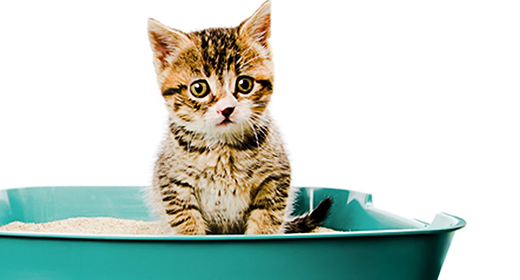
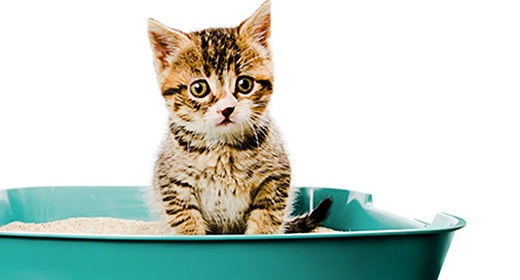
Caitlin Lewis, Community Outreach Manager for the Humane Society of Greater Dayton, dispels common myths about litter-box training for cats. In addition, she shows what and what not to do to help get your cat using the litter box as quickly as possible.
Hi, I'm Caitlin Lewis, Community Outreach Manager for the Humane Society of Greater Dayton on behalf of IAMS. Today we're going to learn how to train—or retrain—your cat to use the litter box. Contrary to popular belief, mother cats do not teach their kittens to use the litter box. Kittens begin to dig in and use dirt and dry, loose material at just a few weeks old without ever having observed their mothers doing so. This natural instinct is used in training kittens to use the litter box. Until your cat is reliably house trained, she should not have free run of your home. When you leave the house for any length of time, your cat should be confined to a single room, preferably one with nonporous floors, such as a kitchen, bathroom, utility room, basement or garage. Provide your cat with a bowl of water and a warm place to sleep at one end of the room, and a freshly clean litter box at the other end.
Until the house soiling has been cured, your cat should have a regular feeding schedule so she will develop a corresponding litter box schedule. In order to reward your cat for using her litter box, you must be there at the time she uses it. Most cats, especially kittens, will need to go shortly after waking, after eating, and after exercise. To help predict when your cat will go, feed her at regular times. If the input is on a regular schedule, the output will follow likewise. Call her to the litter box from a variety of places around your house, especially areas where she has soiled. When your cat gets to the box, scratch the litter to get her interested. Similarly, throughout the day, whenever your cat has been asleep for over two hours, wake her up and call her to the litter box. Encourage your cat to hop into the litter box and praise her when she does so. Even if she does not go, she's learning that the litter box is a great, clean place to be. If your cat does use it, then praise her in a gentle voice. When she is finished, gently stroke her, give her a treat, and let her know how pleased you are with her behavior. If mistakes occur, pick up the cat and set her down in the box. Do not discipline just before placing the cat in the box. The cat will associate any reprimand with being placed in the litter box, and will assume the litter box is the wrong place to go. Punishing a cat after the fact teaches her to be afraid of you. Never rub your cat's nose in a mess, or bring her over to it for a reprimand. She will have no idea why she's being reprimanded. But she may be inclined to eliminate in hidden spots, such as behind the sofa, to avoid another reprimand. Basically, punishment doesn't work with cats. Prevention and praise for getting it right are the keys to training. Clean any accidents immediately with half and half solution of white vinegar and water. This will help to eliminate the odor, and hopefully prevent kitty from returning to that spot. Consider covering the area with a plastic sheet; this will make it unpleasant for your kitty and discourage her from going there again. When your cat is still learning to use the box, leave a tiny bit of urine or feces behind in the box. The scent will remind her what the box is for. As soon as she is using the box reliably—and this could be as quickly as a day or two—remove all liquid and solid waste regularly. Scoop out solid material once or twice a day, and stir the litter to keep the surface dry. If your cat is having trouble using or finding the litter box, move it to an area where she can start seeing it all the time. When she stops playing and start sniffing or scratching at the floor, gently place her in the litter box. If your cat or kitten suddenly stops using the litter box for no obvious reasons, then take your cat to the veterinarian as soon as possible. Once your cat gets into the hang of finding the litter box and using it, they should have this skill for life. Now, let's recap. Provide your cat with a clean litter box that's easy to access. Get her interested in the litter box by scratching the litter. Reward your cat for using her litter box immediately after she uses it. And remember, prevention and praise are the keys to training. Punishment does not work with cats. I'm Caitlin Lewis on behalf of IAMS.