IAMS IN
cat article detail banner

adp_description_block444
Health Concerns About Feeding Cats

  • Share

How Do I Encourage My Cat to Eat Dry Food After Eating Scraps from The Table?

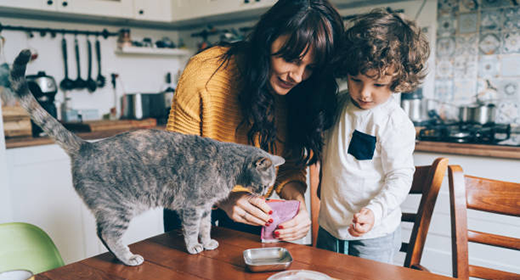
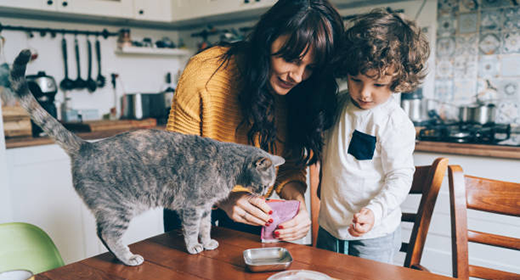
Cats are creatures of habit and can resist diet change. It's important to completely stop feeding your cat from the table. This is best accomplished by removing the cat from the kitchen during mealtimes. Be persistent when offering dry food. Your cat may refuse to eat for several meals before deciding to give the food a try. Heating food in the microwave increases the aroma of the food and will often entice a cat to eat. Another alternative is to try mixing some wet food with the dry food, or topping it with a sauce or gravy specifically formulated for pets. Be assured that your cat eats to meet an energy need and will eventually begin to eat unless there is an underlying medical issue.


What Should I Do If My Cat Is Constipated or Has Loose Stool?

Keep in mind that your cat's stool should be small and firm. Most cases of constipation are temporary and due to dietary interruptions. Loose stools also are often temporary and can be due to dietary interruptions, as well as many other things, including an abrupt change in diet, overeating, parasites, medication, eating table scraps, viral or bacterial infections, and stress. If constipation or diarrhea persists, however, it is important to consult a veterinarian.
 

  • How to Keep Your Cat’s Urinary Tract in Tip-top Shape
    How to Keep Your Cat’s Urinary Tract in Tip-top Shape
    adp_description_block264
    How to Keep Your Cat’s Urinary Tract in Tip-top Shape

    • Share

    Is your feline leaving puddles of urine in your bathtub or on your tile floors? Making lots (and lots) of trips to the litter box? Or crying out in pain when they pee?


    Sounds like

    tinkling trouble.


    Urinary problems pester lots of grown-up cats, especially dudes, bro.

    Your furry friend might have feline lower urinary tract disease (FLUTD), which is just scientific jargon for a collection of painful conditions that can wreak havoc on your kitty’s bladder and/or urethra.


    So, what common urinary tract conditions are we talking about, exactly?

    Some of the most common FLUTD diseases include urinary tract infections, urinary stones caused by a buildup of minerals, obstructions within the urethra or an inflamed bladder.


     What causes FLUTD?

    • Not drinking enough water
    • Not urinating often enough
    • A urine pH level that’s too high
    • Too many minerals and not enough water in the urine
    • Being a male cat — because their urethras are longer and narrower
    • Stress or anxiety


    Keep your

    eyes peeled for

    peeing problems ...


     How to check if your cat has a urinary tract infection (UTI) or other urinary health issue:

    The American Veterinary Medical Association says to watch for these major signs:


    • Straining to go
    • Frequently urinating a little at a time
    • Prolonged attempts to go
    • Crying out while urinating
    • Excessively licking their genital area
    • Peeing outside the litter box
    • Passing blood in their urine


    Get your cat back

    on the right tract.


     How to treat

    FLUTD:

    Decide whether you need an immediate vet visit.

    First things first, if your feline seems to be in a lot of pain or isn’t able to pee at all, get to the vet — stat!

    Your cat might have a urethral obstruction, a life-threatening condition that your veterinarian must treat quickly!

    Seriously, don’t dillydally.


     Next, try these tips to help get your cat’s system flowing again:

    • Feed smaller, more frequent meals.
    • Always provide your cat with clean, fresh water.
    • Encourage your feline to drink as much as possible to help keep mineral buildup at bay and flush your feline’s urinary system.


     Finally, don’t forget about litter boxes and S-T-R-E-S-S! 

    • Be sure you have the right number of litter boxes — usually one more box than the number of cats you have.
    • Place litter boxes in quiet parts of the house.
    • Always keep litter boxes clean — they should be scooped once or twice a day.
    • Maintain a steady routine and make your home as stress-free as possible. Consider how your own stress level, any visiting house guests and any other pets might be affecting your cat.


    Take this old adage to heart:

    “An ounce of prevention is worth a pound of cure.”

     

    adp_related_article_block46 98 YOUR --spice-- MAY ALSO LIKE …

Close modal