Enter a keyword below to search for articles and products.


Corn is found in many cat foods — but not all corn is created equal. Learn more about this ingredient, its forms and its role as a source of energy for your cat.
Corn is included in cat food formulas in various forms, such as ground corn, corn meal, corn grits, corn gluten meal and corn bran. When reviewing the ingredients list on cat food packaging, you may see one or more of the following corn ingredients:
Corn Ingredient | What It Is |
Ground corn or corn meal | Finely ground and chopped whole corn |
Corn grits | The portion of ground corn containing little or none of the bran (fiber) or germ (the small protein portion at the end of the kernel) |
Corn bran | The outer coating of the corn kernel; largely fiber |
Corn gluten meal | A dried protein source that remains after the corn’s bran has been separated and removed and a large portion of the carbohydrate and germ have been removed |
Corn is included in the formulas for all IAMS cat foods, including IAMS™ ProActive Health™ Healthy Adult and ProActive Health™ Healthy Kitten. It is more appropriate to associate the corn used in our products with “corn bread” rather than “corn on the cob.” The difference is similar to cooked corn versus raw corn. We use only the highest-quality corn in our products. The corn is finely ground to a meal, which breaks up the outside covering of each kernel, and then it is cooked, which increases its digestibility.
Corn grits and corn meal are used in our foods as high-quality sources of carbohydrates, which are an important source of energy. Corn generally also results in lower glycemic and insulin response than rice. This can be especially beneficial for senior and overweight cats.
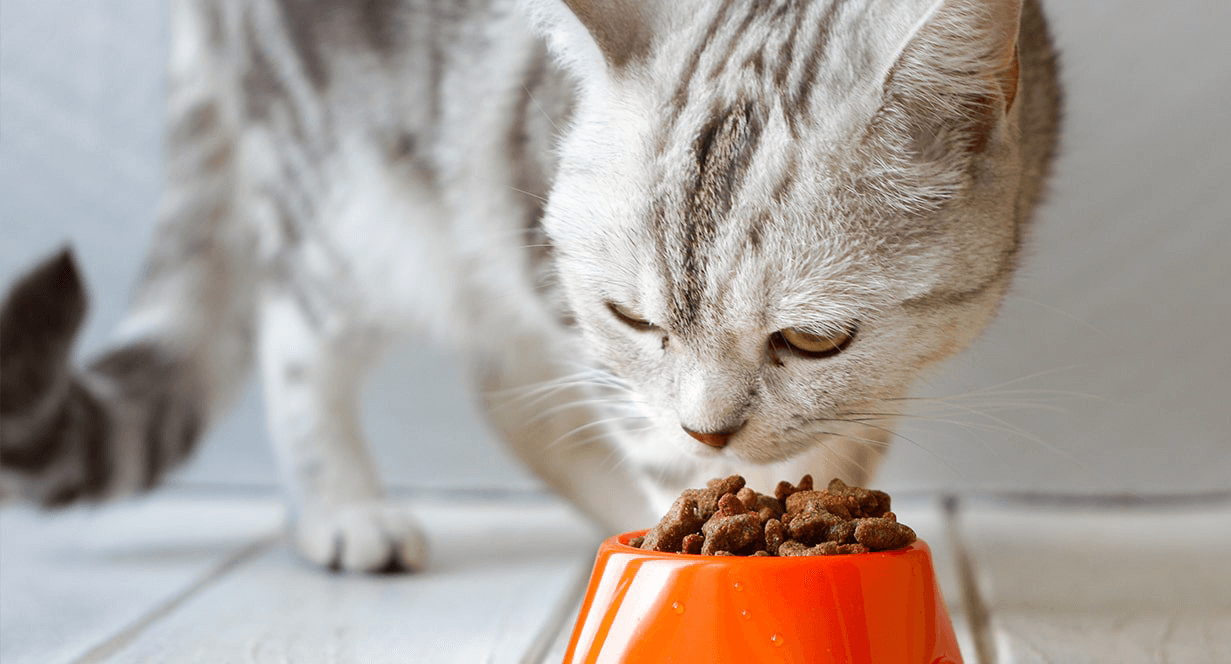
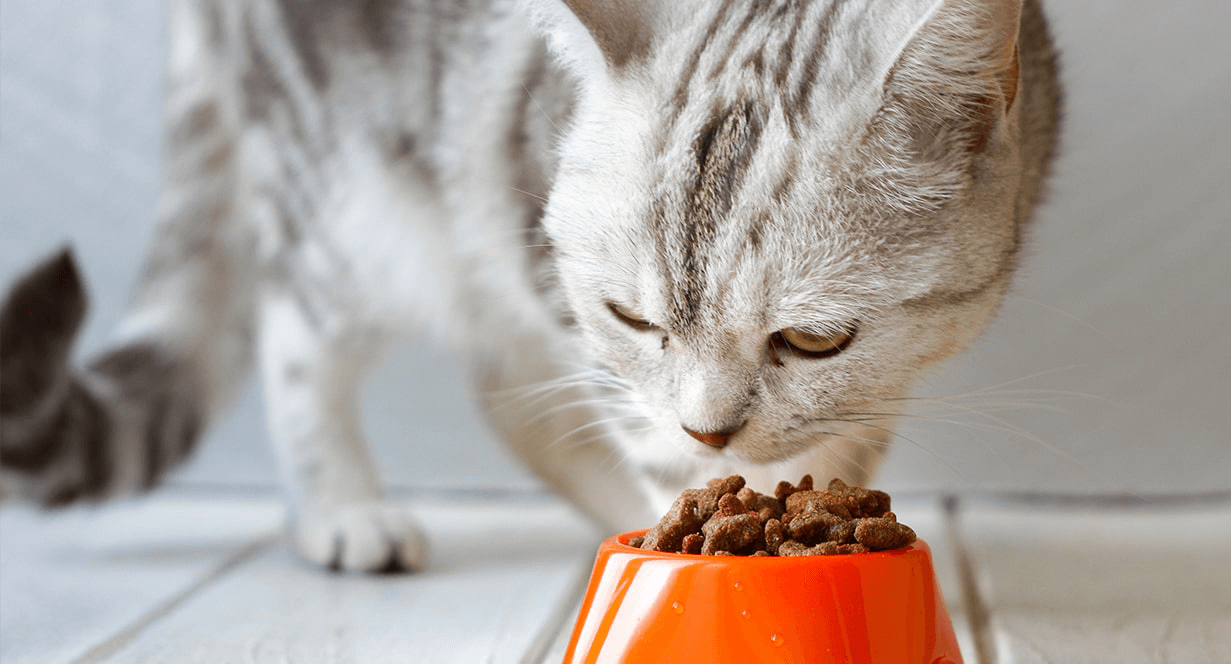
Your cat is one of a kind, so it stands to reason that you want to choose a cat food that accounts for their unique tastes, age, breed and health concerns. But with thousands of pet foods available, how do you pick the one that’s right for your cat?
First, it’s important to understand your cat’s nutritional needs. Then, you’ll need to think about your cat’s life stage, lifestyle and any health issues, and do a bit of research on cat food types, ingredients and cost. That may sound complicated, but we’ll make it easy for you — just keep reading.
Good nutrition is as important to your cat as it is to you — but their nutritional needs are quite different! Unlike humans, a cat needs a high-fat diet with less fiber. And even if you prefer a vegetarian diet, keep in mind that cats are carnivores. They need nutrients from animal protein and fat for optimal health, and they benefit from fiber for a healthy digestive tract and carbohydrates for energy.
Kittens, adult cats, nursing mothers and mature or senior cats are all examples of life stages, and each has different nutritional requirements. All cat foods should state which life stage they are recommended for — as an example, IAMS™ Proactive Health™ Mother and Kitten as well as IAMS™ Proactive Health™ Healthy Adult include the intended life stage right on the package.
Nutritional needs also vary depending on your cat’s lifestyle. A cat whose primary activity is guarding the couch doesn’t need as much energy as one who enjoys roaming outside.
.
Because cats need the nutrients found in animal sources, it’s best to pick a food in which a primary ingredient (one of the first ones listed) is an animal-based protein source such as chicken, lamb, fish, egg or one of their by-products. These ingredients contain all the essential amino acids your cat needs, including taurine, which isn’t found in a plant-based protein source. Foods that include a combination of carbohydrates in your cat’s diet, such as corn meal or barley and grain sorghum, ensure efficient absorption of nutrients and help maintain energy levels. And beet pulp is an excellent fiber source that promotes a healthy digestive tract.
For a soft, thick coat and healthy skin, your pet needs fatty acids like those found in vitamin-rich fish oils and quality fat sources such as chicken.
Cat food labels provide limited information on the nutritional value of your pet’s food because labeling regulations do not allow manufacturers to describe the quality of ingredients on the package. A reputable pet food manufacturer can explain how they evaluate and ensure the quality of their products.
When choosing cat food, the saying “You get what you pay for” definitely applies. A low price may indicate cheap ingredients or ingredients that change as manufacturer costs fluctuate. So while price is an important factor, it shouldn’t be the only one you consider.
Plus, many lower-priced products recommend higher daily portions to provide the same amount of nutrition found in a high-quality diet. To get a better idea of cost, it is the cost per feeding, not the total cost, that counts.
To figure out the cost per feeding for a cat food, divide the total cost by the number of days the product lasts. When compared closely, high-quality pet foods tend to come out on top, from both a nutritional and a cost standpoint.