Enter a keyword below to search for articles and products.
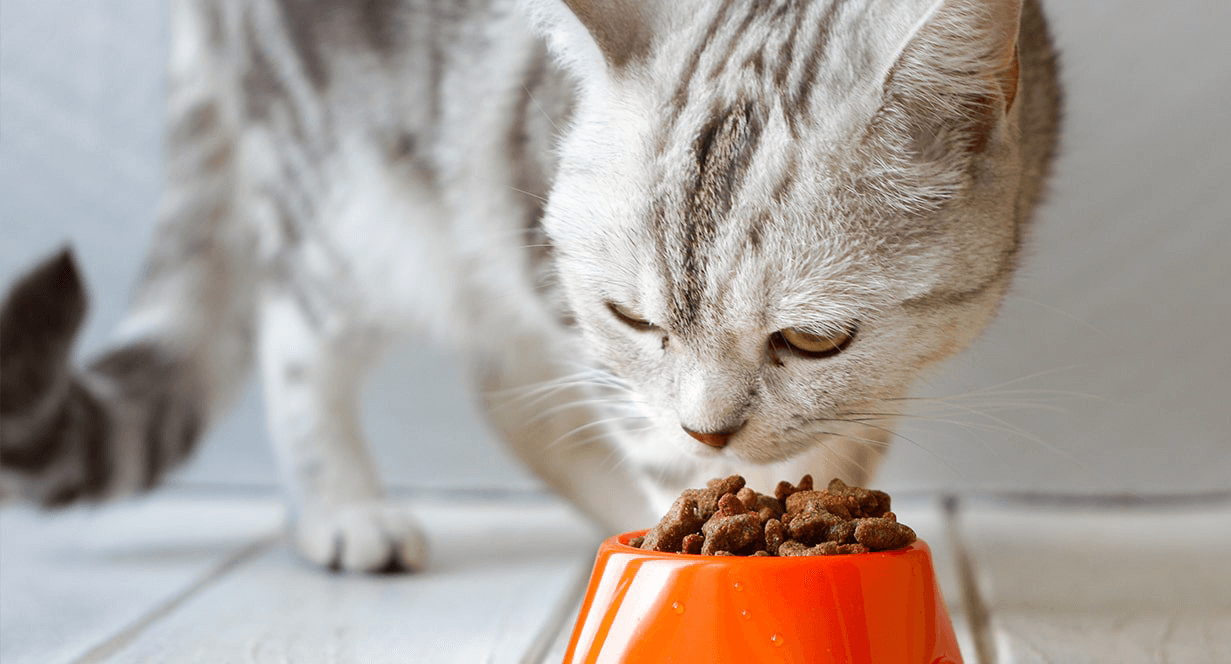
Corn is found in many cat foods — but not all corn is created equal. Learn more about this ingredient, its forms and its role as a source of energy for your cat.
Corn is included in cat food formulas in various forms, such as ground corn, corn meal, corn grits, corn gluten meal and corn bran. When reviewing the ingredients list on cat food packaging, you may see one or more of the following corn ingredients:
Corn Ingredient | What It Is |
Ground corn or corn meal | Finely ground and chopped whole corn |
Corn grits | The portion of ground corn containing little or none of the bran (fiber) or germ (the small protein portion at the end of the kernel) |
Corn bran | The outer coating of the corn kernel; largely fiber |
Corn gluten meal | A dried protein source that remains after the corn’s bran has been separated and removed and a large portion of the carbohydrate and germ have been removed |
Corn is included in the formulas for all IAMS cat foods, including IAMS™ ProActive Health™ Healthy Adult and ProActive Health™ Healthy Kitten. It is more appropriate to associate the corn used in our products with “corn bread” rather than “corn on the cob.” The difference is similar to cooked corn versus raw corn. We use only the highest-quality corn in our products. The corn is finely ground to a meal, which breaks up the outside covering of each kernel, and then it is cooked, which increases its digestibility.
Corn grits and corn meal are used in our foods as high-quality sources of carbohydrates, which are an important source of energy. Corn generally also results in lower glycemic and insulin response than rice. This can be especially beneficial for senior and overweight cats.
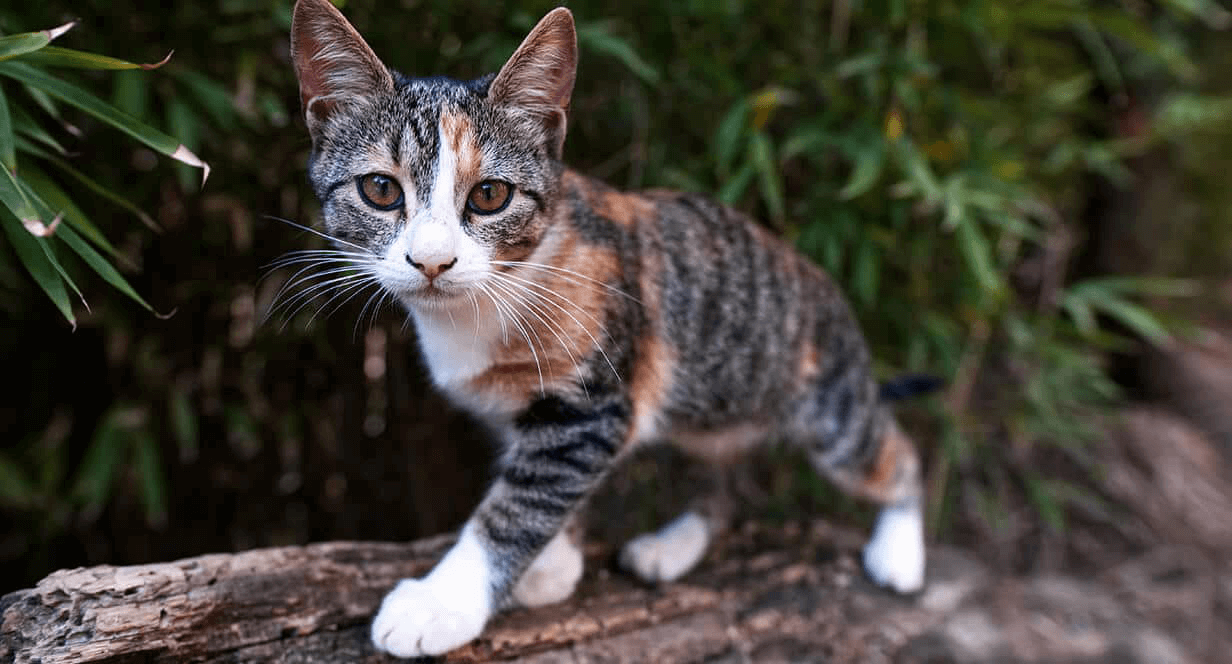
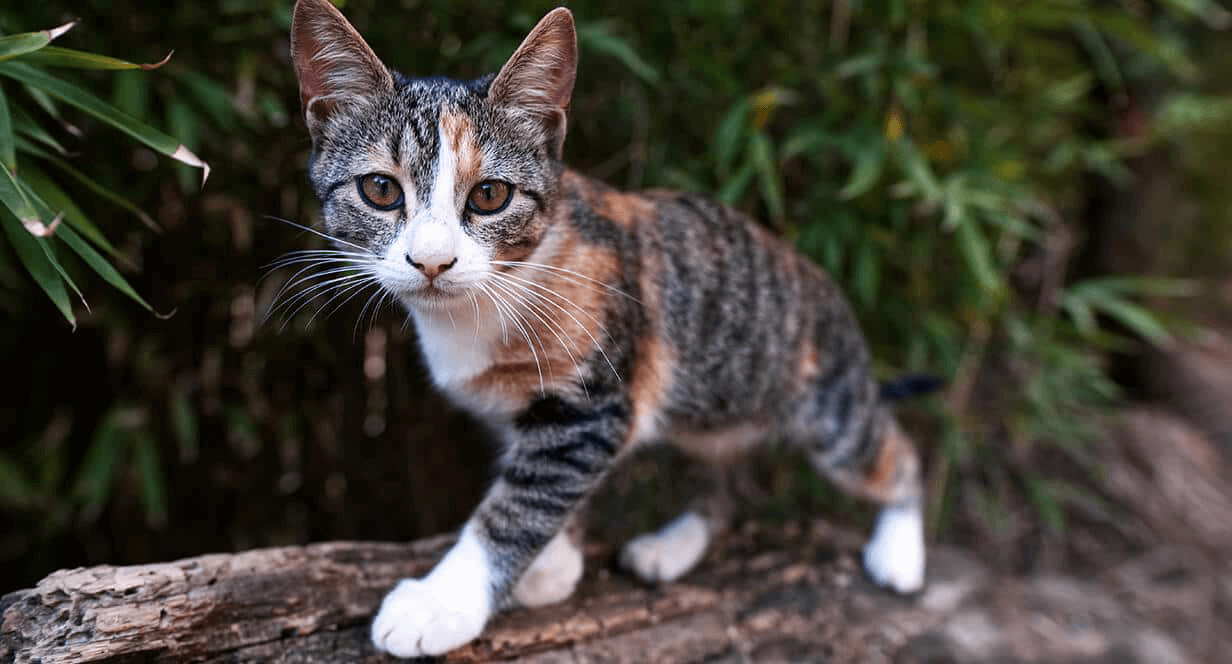
Is anything cuter than an adorable kitten with a gorgeous, healthy coat? We don’t think so. That’s why we include fish oil in IAMS™ dry kitten food to help promote healthy skin and a healthy coat for your furry bundle of joy.
Let’s dive deeper into fish oil and meal, what it does, how it can help your kitten and why it’s an important component in all IAMS™ dry kitten foods.
Let’s dive deeper into fish oil and meal, what it does, how it can help your kitten and why it’s an important component in all IAMS™ dry kitten foods.
You guessed it: Fish oil is fat or oil extracted from fish. Fish meal, which is used in IAMS™ dry kitten foods, is a good source of natural fish oil — which is a high-quality source of omega-3 fatty acids.
Now, time for a science lesson! Fatty acids, a smaller component of fat, are critical for many kitten body functions. Omega-3 fatty acids are a type of fatty acid with important nutritional value for kittens. Fish oil from deep, cold-water fish contains omega-3 fatty acids including eicosapentaenoic acid (EPA) and docosahexaenoic acid (DHA).
When a kitten eats food with fatty acids, the fatty acids are incorporated into their tissues, including the skin. (Turns out you really are what you eat!) Omega-3 fatty acids produce substances that promote healthy skin conditions, especially when balanced with omega-6 fatty acids (found in common kitten food ingredients such as chicken fat and corn oil).
So what does all this mean for your kitten? Feeding a complete and balanced diet with a balanced ratio of omega-6 and omega-3 fatty acids is proven to promote healthy skin and a shiny coat in cats1. Studies reveal that when fed fish oil, cats show:
DHA from fish oil has also been shown to promote healthy brain and vision development in kittens — important for all the hours of play and nighttime zoomies your kitten will experience in their lifetime.
All IAMS™ dry kitten foods, such as IAMS™ ProActive Health™ Mother And Kitten, are formulated with fish oil and an optimal ratio of omega-3 and omega-6 fatty acids. Proper nutrition as a kitten can help support your kitten’s soft and shiny coat now — and for all the years to come.
1 Data on file, The IAMS™ Company, 2000.