Enter a keyword below to search for articles and products.


Corn is found in many cat foods — but not all corn is created equal. Learn more about this ingredient, its forms and its role as a source of energy for your cat.
Corn is included in cat food formulas in various forms, such as ground corn, corn meal, corn grits, corn gluten meal and corn bran. When reviewing the ingredients list on cat food packaging, you may see one or more of the following corn ingredients:
Corn Ingredient | What It Is |
Ground corn or corn meal | Finely ground and chopped whole corn |
Corn grits | The portion of ground corn containing little or none of the bran (fiber) or germ (the small protein portion at the end of the kernel) |
Corn bran | The outer coating of the corn kernel; largely fiber |
Corn gluten meal | A dried protein source that remains after the corn’s bran has been separated and removed and a large portion of the carbohydrate and germ have been removed |
Corn is included in the formulas for all IAMS cat foods, including IAMS™ ProActive Health™ Healthy Adult and ProActive Health™ Healthy Kitten. It is more appropriate to associate the corn used in our products with “corn bread” rather than “corn on the cob.” The difference is similar to cooked corn versus raw corn. We use only the highest-quality corn in our products. The corn is finely ground to a meal, which breaks up the outside covering of each kernel, and then it is cooked, which increases its digestibility.
Corn grits and corn meal are used in our foods as high-quality sources of carbohydrates, which are an important source of energy. Corn generally also results in lower glycemic and insulin response than rice. This can be especially beneficial for senior and overweight cats.
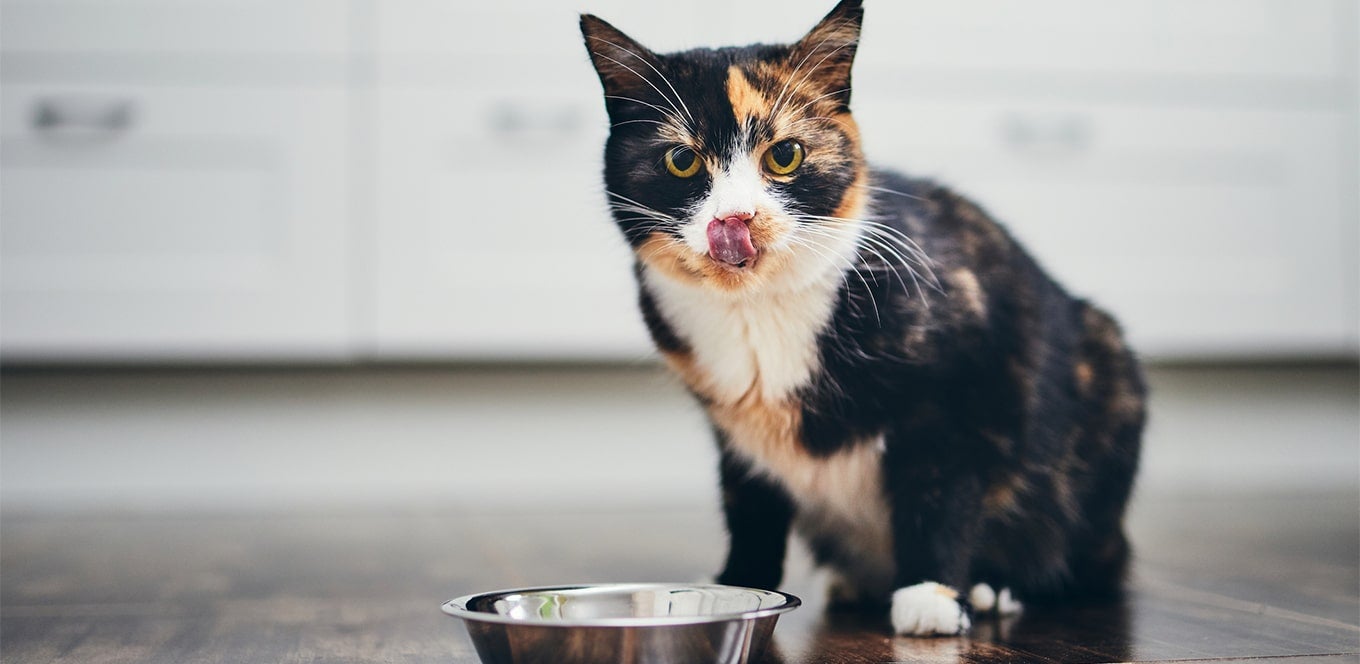
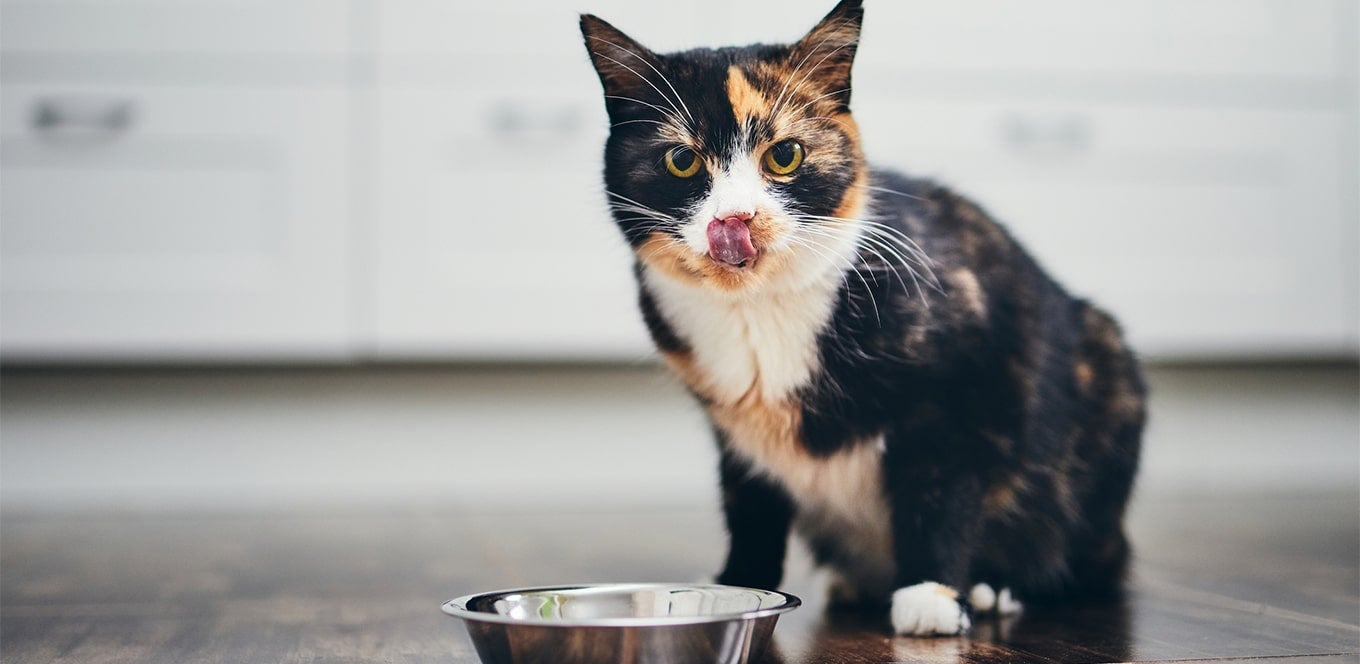
Knowing your cat needs a change in their diet is one thing, but knowing how to make that change is something else! Cats are creatures of habit, so it’s not uncommon for them to prefer their current food to anything new. Change disrupts their routine, which can impact their behavior and their digestion.
Thankfully, when the time has come to change your cat’s diet, a little planning and preparation goes a long way toward making the transition easier for them (and for you).
The following tips will help you change your cat’s diet and successfully transition your cat to a new food:
There are lots of reasons to consider changing your cat’s food — maybe you have a new kitten to wean, a kitten who’s all grown up now or an adult cat entering their senior years. In addition to normal aging, advice from the vet is a common reason to change what you’re feeding your cat. Cats that need help reducing their weight or managing excessive hairballs might need the support of a new food designed with those needs in mind. Whatever your reason for changing your cat’s diet, make sure the new food will suit their needs. That way you only have to make the transition once, and can avoid upsetting their stomach by changing the routine too often.
Going slow is paws down the most successful way to ease your cat into a different diet. Start by mixing 25% new food with 75% familiar food. Slowly change the proportions over the next three days or so by gradually increasing the amount of new food and decreasing the amount of their familiar food. Think of it as a kind of weaning — at the end of this process, you should be feeding (and your cat should be eating) just the new food.
Your cat may choose to eat only the familiar food, or not eat at all … at first. But a healthy cat can miss meals for a day or two without causing health problems. Slow, steady and consistent wins this race!
How would you feel if someone tried to force you to eat strange food you didn’t want?
Aggressively dumping the new food into your cat’s dish and declaring that your cat had better eat it might inspire your cat to do anything besides eat!
A little gentleness in your approach goes a long way. Try using a pleasant tone of voice and encouraging your cat to taste the new food. Even if they don’t go for it at first, a gentle approach still goes over much better than an aggressive one.
Cats train us as much as we train them. Giving in to their demands reinforces that their refusal to eat the new food is acceptable, which makes transitioning to the new diet even more challenging in the long run.
So don’t give up! Don’t be tempted to revert back to your cat’s familiar foods, and don’t give your cat treats or table scraps during the initial three-day period.
This is the toughest dietary transition of them all, but there are a few ways to make the process easier. If your cat resists eating dry food for more than a few meals, try mixing a little warm water with it and maybe even warming the moistened food in the microwave for a few seconds.
If you mix dry food with water, remember to discard any uneaten leftovers after 20 minutes to prevent spoilage. (The same rule applies for wet food.) After your cat is used to the moistened dry food, you can gradually transition to serving the same food dry.
Changing your cat’s diet is sometimes necessary to help them live a happy, healthy life. The process of switching what, how or how often you feed your cat can be a little bumpy, but you can do it! By going slowly, staying patient and encouraging, sticking to the plan and making the transition as easy as possible, you’ll be giving your cat what they need and helping them adjust as comfortably as possible.