Enter a keyword below to search for articles and products.
Corn is found in many cat foods — but not all corn is created equal. Learn more about this ingredient, its forms and its role as a source of energy for your cat.
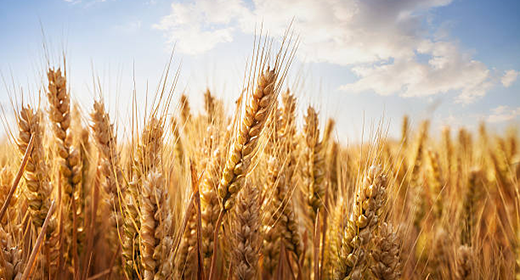
Corn is included in cat food formulas in various forms, such as ground corn, corn meal, corn grits, corn gluten meal and corn bran. When reviewing the ingredients list on cat food packaging, you may see one or more of the following corn ingredients:
Corn Ingredient | What It Is |
Ground corn or corn meal | Finely ground and chopped whole corn |
Corn grits | The portion of ground corn containing little or none of the bran (fiber) or germ (the small protein portion at the end of the kernel) |
Corn bran | The outer coating of the corn kernel; largely fiber |
Corn gluten meal | A dried protein source that remains after the corn’s bran has been separated and removed and a large portion of the carbohydrate and germ have been removed |
Corn is included in the formulas for all IAMS cat foods, including IAMS™ ProActive Health™ Healthy Adult and ProActive Health™ Healthy Kitten. It is more appropriate to associate the corn used in our products with “corn bread” rather than “corn on the cob.” The difference is similar to cooked corn versus raw corn. We use only the highest-quality corn in our products. The corn is finely ground to a meal, which breaks up the outside covering of each kernel, and then it is cooked, which increases its digestibility.
Corn grits and corn meal are used in our foods as high-quality sources of carbohydrates, which are an important source of energy. Corn generally also results in lower glycemic and insulin response than rice. This can be especially beneficial for senior and overweight cats.
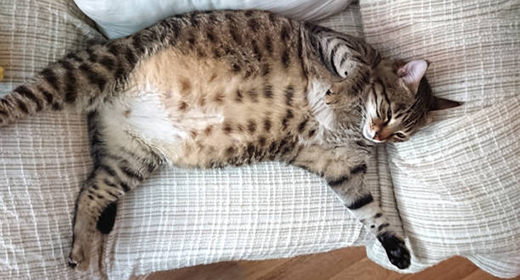
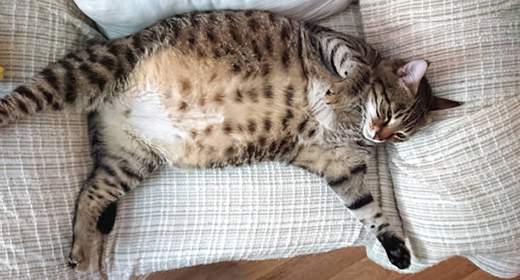
Pregnancy and nursing are responsible for many changes in a cat's lifestyle, as well as in her body. You should pay special attention to your cat’s changing nutritional needs throughout the entire reproduction process.
If you are planning to breed your female cat, it is important to assess her body condition well in advance. Because of the physical demands of pregnancy and nursing, starting off with less-than-ideal health can cause problems.
An underweight cat often can't consume enough food to support her and the developing kittens. Overweight cats may experience abnormal or difficult labor because of large fetuses.
A complete and balanced diet that supports a healthy weight and body condition before breeding helps the female cat maintain her health, and that of her offspring, throughout pregnancy and nursing.
The gestation period for cats is nine weeks. Pregnant cats, like humans, gain weight gradually throughout pregnancy. The energy requirements of pregnant cats are reflected by their weight gain. The energy needs of a pregnant cat should gradually increase so that, by the end of pregnancy, the cat is consuming 25% to 50% more than her normal amount of calories.
Pregnant cats lose weight after giving birth. However, their nutritional needs increase dramatically. Energy needs can be two to three times normal, depending on litter size, in order to produce the milk supply that will support the offspring. Water intake is also important for milk volume.
To ensure a nursing cat is getting enough nutrition, give her a nutrient-dense diet, such as kitten food. Without increasing the amount of food at each meal, increase the number of meals in the day. Free-choice feed her, offering unlimited access to dry food.
By 5 weeks, most kittens show an interest in their mother's food. Gradually, the kittens will begin eating solid food and nursing less. At the same time, the nursing cat will usually start eating less. Most kittens are completely weaned by eight weeks after birth. By this time, the mother's energy requirement is back to normal and she should be eating her usual pre-pregnancy diet.