Enter a keyword below to search for articles and products.

Corn is found in many cat foods — but not all corn is created equal. Learn more about this ingredient, its forms and its role as a source of energy for your cat.
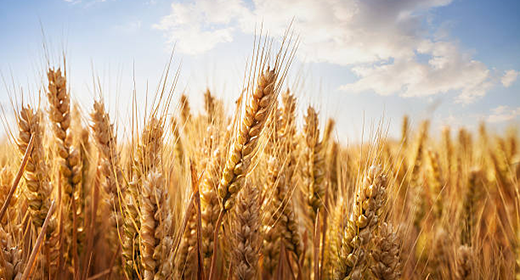
Corn is included in cat food formulas in various forms, such as ground corn, corn meal, corn grits, corn gluten meal and corn bran. When reviewing the ingredients list on cat food packaging, you may see one or more of the following corn ingredients:
Corn Ingredient | What It Is |
Ground corn or corn meal | Finely ground and chopped whole corn |
Corn grits | The portion of ground corn containing little or none of the bran (fiber) or germ (the small protein portion at the end of the kernel) |
Corn bran | The outer coating of the corn kernel; largely fiber |
Corn gluten meal | A dried protein source that remains after the corn’s bran has been separated and removed and a large portion of the carbohydrate and germ have been removed |
Corn is included in the formulas for all IAMS cat foods, including IAMS™ ProActive Health™ Healthy Adult and ProActive Health™ Healthy Kitten. It is more appropriate to associate the corn used in our products with “corn bread” rather than “corn on the cob.” The difference is similar to cooked corn versus raw corn. We use only the highest-quality corn in our products. The corn is finely ground to a meal, which breaks up the outside covering of each kernel, and then it is cooked, which increases its digestibility.
Corn grits and corn meal are used in our foods as high-quality sources of carbohydrates, which are an important source of energy. Corn generally also results in lower glycemic and insulin response than rice. This can be especially beneficial for senior and overweight cats.
It’s common sense that feeding your cat a high-quality diet has its benefits. But when it comes to maximizing your cat’s lifespan, diet is only part of the equation. Read up on everything you need to do to ensure your cat lives happily for a long time to come.
Let’s start with something you do every day: feed your cat. There are several healthy options to choose from, so we’ll help you zero in on the formula that’s best for your cat. It’s important to note that cats are natural carnivores. Therefore, a formula with meat as the primary ingredient is a great place to start. Meat as a protein source has certain nutrients, such as taurine, that non-meat protein sources simply do not.
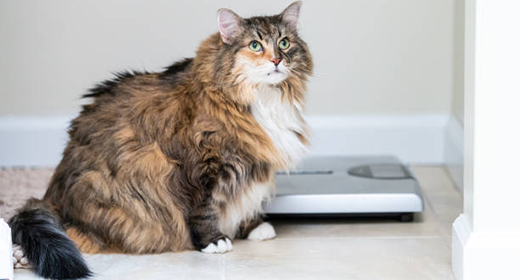
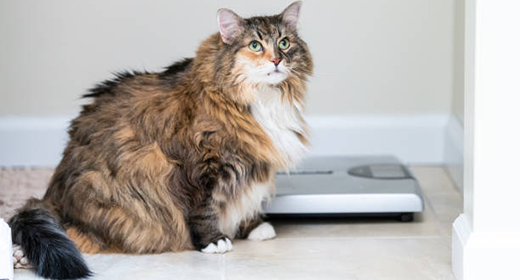
Regular visits to the veterinarian can help nip health issues in the bud. For instance, a vet will be able to tell if your cat is gaining too much weight and can recommend a diet and fitness program to get your kitty back to a healthy size.
You may even want to bring a fresh fecal sample along to your next appointment. Your vet can use this sample to search for ringworms. This tip can save you extra trips to the vet’s office in case your cat does not cooperate, so to speak, during her appointment.
Also, vets provide your cat with the vaccinations she needs to fight off diseases such as feline rabies. Some vaccinations are required annually, while others should be administered every three years. Your vet’s office can help you keep track of it all, so remember to schedule that appointment!
Your cat relies on you for more than just healthy food and fresh water. She needs stimulation. Sure, cats love their independence, but let’s be honest, they love getting attention. By playing with your cat for even 10 to 15 minutes a day, you are doing wonders for her lifespan. Some great games to play don’t even require fancy toys. Get a piece of string and tie it around a clean sock, then yank the string whenever your cat comes in close to investigate. Voila! Instant fun!
Cats don’t go on runs like dogs do, so keeping your cat active with games and toys is the best way to help keep her fit.
Follow these tips and your cat will be on her way to a long and happy life with you. You’re a great owner for taking the time to read this article. It shows how much you really care about her. Now step away from the computer and show your cat some attention!