Enter a keyword below to search for articles and products.
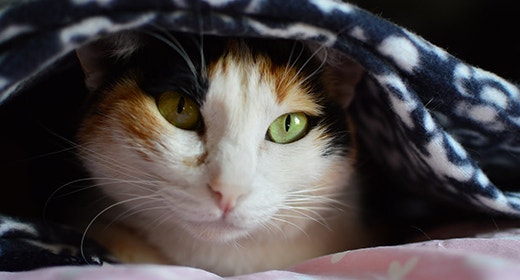
Corn is found in many cat foods — but not all corn is created equal. Learn more about this ingredient, its forms and its role as a source of energy for your cat.
Corn is included in cat food formulas in various forms, such as ground corn, corn meal, corn grits, corn gluten meal and corn bran. When reviewing the ingredients list on cat food packaging, you may see one or more of the following corn ingredients:
Corn Ingredient | What It Is |
Ground corn or corn meal | Finely ground and chopped whole corn |
Corn grits | The portion of ground corn containing little or none of the bran (fiber) or germ (the small protein portion at the end of the kernel) |
Corn bran | The outer coating of the corn kernel; largely fiber |
Corn gluten meal | A dried protein source that remains after the corn’s bran has been separated and removed and a large portion of the carbohydrate and germ have been removed |
Corn is included in the formulas for all IAMS cat foods, including IAMS™ ProActive Health™ Healthy Adult and ProActive Health™ Healthy Kitten. It is more appropriate to associate the corn used in our products with “corn bread” rather than “corn on the cob.” The difference is similar to cooked corn versus raw corn. We use only the highest-quality corn in our products. The corn is finely ground to a meal, which breaks up the outside covering of each kernel, and then it is cooked, which increases its digestibility.
Corn grits and corn meal are used in our foods as high-quality sources of carbohydrates, which are an important source of energy. Corn generally also results in lower glycemic and insulin response than rice. This can be especially beneficial for senior and overweight cats.
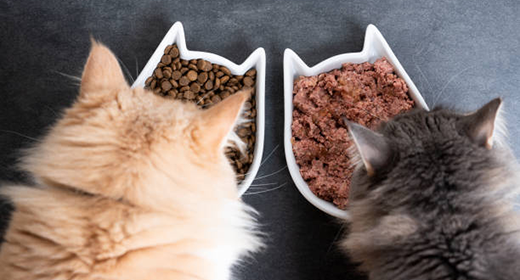
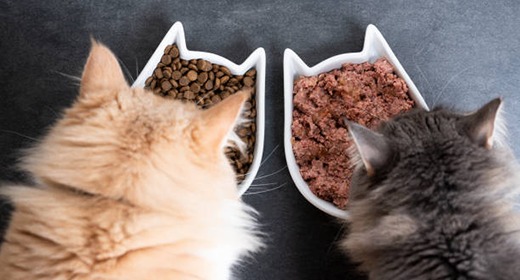
Chicken is a key ingredient in IAMS™ cat food. Its protein can help maintain healthy muscle structure, and it naturally provides each of the amino acids essential to carnivorous animals. And chicken adds great taste.
Another common chicken-based ingredient is natural chicken flavor, also called chicken digest. Natural chicken flavor adds palatability and nutrients. It is high-quality protein and fat material that has been reduced to amino and fatty acids to improve taste through an enzymatic process.
Internal organs are a rich source of protein, fats, and minerals, such as iron, that are essential to cat health and they add a taste that cats enjoy. Including some ground bone provides a good source of minerals, such as calcium. Some pet food manufacturers formulate their products without such ingredients to appeal to cat owners, rather than for the health of the cats themselves. However, the nutritional needs of cats are not the same as those of humans.
Dried (meal) chicken protein sources contained in our chicken-based cat foods, such as IAMS ProActive Health™ Healthy Adult - Chicken, undergo an extra refining process and contain each of the amino acids that are essential to cats.