Enter a keyword below to search for articles and products.
Corn is found in many cat foods — but not all corn is created equal. Learn more about this ingredient, its forms and its role as a source of energy for your cat.
Corn is included in cat food formulas in various forms, such as ground corn, corn meal, corn grits, corn gluten meal and corn bran. When reviewing the ingredients list on cat food packaging, you may see one or more of the following corn ingredients:
Corn Ingredient | What It Is |
Ground corn or corn meal | Finely ground and chopped whole corn |
Corn grits | The portion of ground corn containing little or none of the bran (fiber) or germ (the small protein portion at the end of the kernel) |
Corn bran | The outer coating of the corn kernel; largely fiber |
Corn gluten meal | A dried protein source that remains after the corn’s bran has been separated and removed and a large portion of the carbohydrate and germ have been removed |
Corn is included in the formulas for all IAMS cat foods, including IAMS™ ProActive Health™ Healthy Adult and ProActive Health™ Healthy Kitten. It is more appropriate to associate the corn used in our products with “corn bread” rather than “corn on the cob.” The difference is similar to cooked corn versus raw corn. We use only the highest-quality corn in our products. The corn is finely ground to a meal, which breaks up the outside covering of each kernel, and then it is cooked, which increases its digestibility.
Corn grits and corn meal are used in our foods as high-quality sources of carbohydrates, which are an important source of energy. Corn generally also results in lower glycemic and insulin response than rice. This can be especially beneficial for senior and overweight cats.
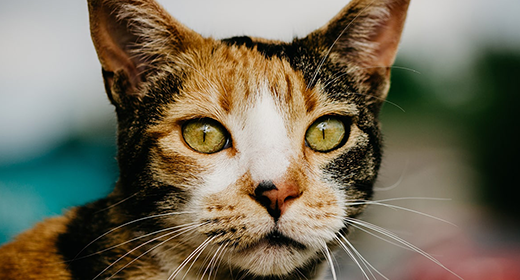
Antioxidants are good for your cat because they play a key role in minimizing damage to cells, including cells of the immune system.
These important, naturally occurring nutrients help maintain health by slowing the destructive oxidative process of cellular molecules. They also can be important in supporting immune responses and vaccine recognition in cats. This may be especially critical for kittens that are being vaccinated while their immune system is still developing.
Additionally, antioxidants can reverse decreases in immune-cell function for senior cats, increasing them back to healthy adult levels.
Antioxidants are nutrients found naturally in the body and in plants such as fruits and vegetables. Common antioxidants include vitamin C, vitamin E and certain compounds called carotenoids (including lutein and beta-carotene). A blend of several antioxidants in moderate amounts may be more effective than high levels of one antioxidant.
As cells function normally in the body, they produce damaged molecules called free radicals. These free radicals are highly unstable and steal components from other cellular molecules, such as fat, protein or DNA, thereby spreading the damage.
This damage continues in a chain reaction, and entire cells soon become damaged and die in a process called peroxidation. Peroxidation is useful because it helps the body destroy cells that have outlived their usefulness and kills germs and parasites. However, when left unchecked, peroxidation also destroys or damages healthy cells.
Antioxidants help prevent widespread cellular destruction by willingly donating components to stabilize free radicals. More importantly, antioxidants return to the surface of the cell to stabilize rather than damage other cellular components.
When there are not enough antioxidants to hold peroxidation in check, free radicals begin damaging healthy cells, which can lead to problems. For example, free radical damage to immune cells can lead to an increased risk of infection.
Because antioxidants play a key role in minimizing damage to cells, such as those that make up the immune system, recent research examined the benefits of certain antioxidants on the immune response of cats. The results of these studies indicated that antioxidants are important in helping cats maintain a healthy immune system.
The research also showed that each antioxidant benefits the immune system uniquely, so one antioxidant at high levels is not as effective as a group of antioxidants acting together.
Antioxidant | Source | Function |
Vitamin E | Plant oil extract, tocopherols | Optimizes immune system’s T-cell activation |
Beta-carotene | Vitamin premix, corn meal, chicken by-product meal and chicken fat | Optimizes types of cells present in the blood, increases antibody levels in the blood and optimizes vaccine recognition |
Recent research also examined the effect of aging on immune responses. The findings indicate that as cats age, immune cell responses may decline. Including antioxidants in your cat’s diet can help reverse the age-related decrease in immune cell function, returning it to healthy adult levels.