Enter a keyword below to search for articles and products.


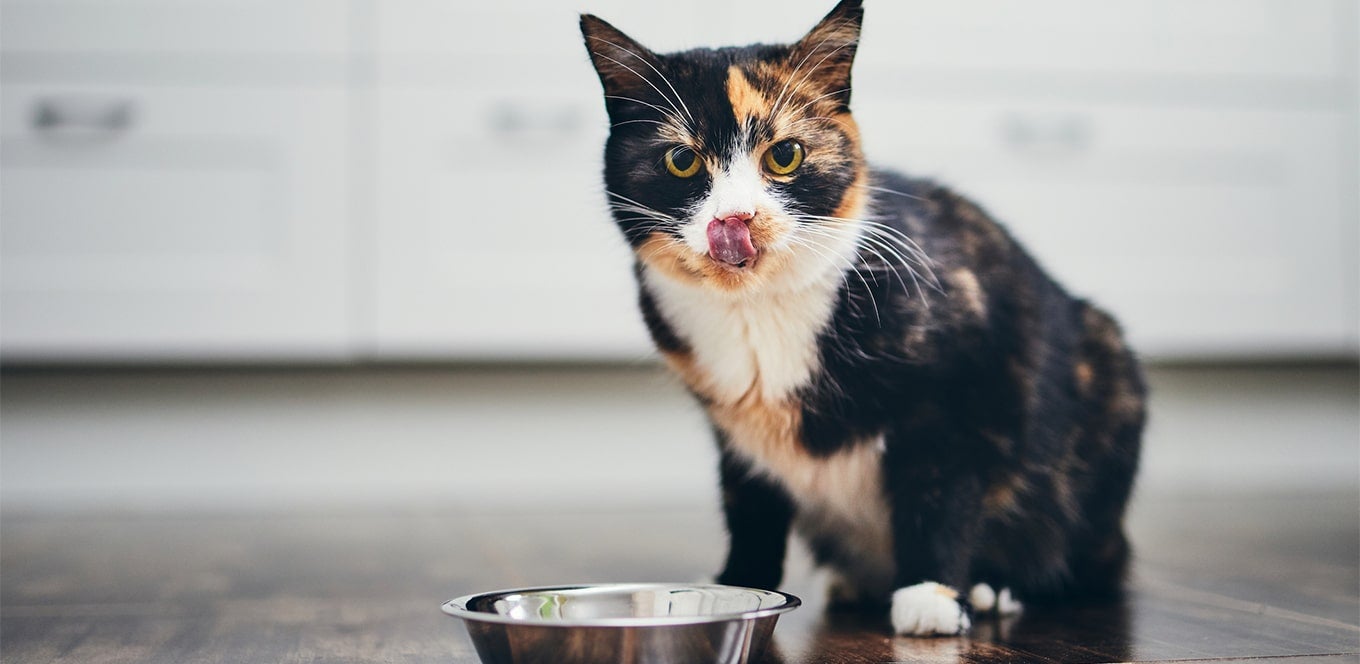
Your adult cat is a perfect specimen of mobility, speed, acuity, and grace. She is in her prime. She shines in her gleaming coat and her eyes are bright.
Jumping, twisting, and landing, her skeleton bears strain our own bodies could never endure. Her muscles are highly flexible. Her movements are lightning fast and her senses highly tuned.
Between ages 1 and 8, your cat will experience the equivalent of a human's journey from teenager to late middle age. As caretaker, you are responsible for good adult cat health and lifestyle in these years and beyond.
It can be difficult to keep such an adventurous creature indoors. But to do so is proven to extend a cat's life, because it limits exposure to predators, cars, fleas, and other cats that may have diseases such as feline leukemia or feline immunodeficiency virus (FIV). Keep your cat duly entertained indoors by providing toys, structures to climb on, spots near windows to watch the action outdoors, or–if she responds to them–TV and special videos.
One potential side effect of being a pampered, indoor cat is obesity. If your cat starts to gain weight, limit or change her diet and encourage more exercise. Make time for play with your cat each day.
An adult cat should visit the vet annually. Dental and gum disease, diabetes, hyperthyroidism, and other medical problems can present themselves in adulthood to middle age. Early detection is essential to successful treatment and extended life.
As your cat nears 8 years old, be sure to watch for signs of other age-related illnesses such as weight loss, decreased appetite, neglect of grooming, increased thirst and urination, and retreating from the household.
Both you and your cat will enjoy these peak years. They will be filled with acrobatic antics and lithe poses you can't help photographing. If you take the appropriate precautions, you can extend the health and fun for many years.


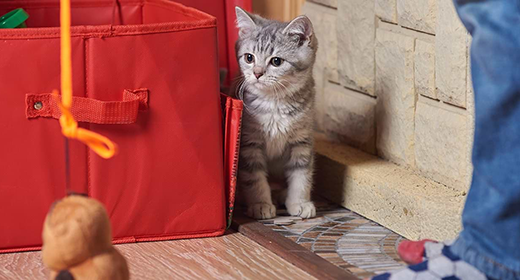
How can you help your kitten live a long and healthy life? Although you can’t predict the health of your cat with certainty, you can increase the probability of both her general health and a long life through proper care that begins as soon as you bring her home. Your veterinarian can advise further on these five key considerations for taking care of your kitten.
Feed your kitten high-quality food designed to meet nutritional needs during specific stages of her life. Your kitten’s nutritional requirements will depend on her life stage and lifestyle. No matter the life stage, cats are carnivores and require nutrients from animal protein and fat for optimal health.
Prevent obesity with prudent portion control and frequent play activities. Exercise relieves stress, reduces aggression and keeps cats alert. Just 15 to 30 minutes of play a day can help keep your cat in shape and strengthen the bond between the two of you. In addition, getting your kitten used to playtime early on will help you get used to playing with your cat routinely.
Keep your kitten inside to help reduce the risk of illness or injury from accidents, fights and disease. As your kitten gets older, you can help avoid the stress of harassment from other animals by keeping your kitten inside. You should make your home safe by protecting your cat from environmental dangers, such as household cleaners and secondhand smoke. Cats frequently groom themselves with their tongues, and over time, even small amounts of harmful chemicals can have adverse effects.
Groom your kitten early and often to get her used to brushing. When brushing, check for bumps or abnormalities, and promptly seek veterinary advice if you discover anything suspicious. Take your cat to the veterinarian at least annually for a complete physical exam, and follow your veterinarian’s advice regarding preventive health care measures.
Your veterinarian may also recommend periodic professional cleaning of your cat’s teeth, which may preserve years of her life.
Last but not least, give your cat lots of love! Despite some cats’ aloof demeanor, all cats thrive on affection. Both you and your cat will reap the benefits of spending quality time together.
It was once thought that one year in the life of a cat was equivalent to seven years of a human life. Below is a revised way of looking at how a cat year stacks up to a human year.
| Cat Age | Human Age |
| 6 months | 10 years |
| 8 months | 13 years |
| 10 months | 14 years |
| 1 year | 15 years |
| 18 months | 20 years |
| 2 years | 24 years |
| 3 years | 28 years |
| 4 years | 32 years |
| 5 years | 36 years |
| 6 years | 40 years |
| 7 years | 44 years |
| 8 years | 48 years |
| 9 years | 52 years |
| 10 years | 56 years |
| 11 years | 60 years |
| 12 years | 64 years |
| 13 years | 68 years |
| 14 years | 72 years |
| 15 years | 76 years |
| 16 years | 80 years |
| 17 years | 84 years |
| 18 years | 88 years |
| 19 years | 92 years |
| 20 years | 96 years |
| 21 years | 100 years |