Enter a keyword below to search for articles and products.
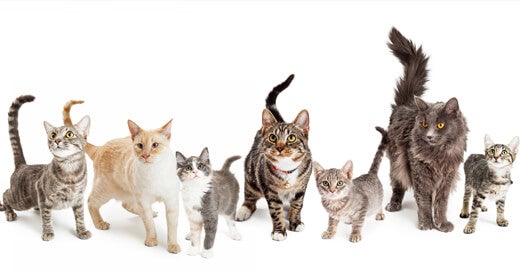
Your adult cat is a perfect specimen of mobility, speed, acuity, and grace. She is in her prime. She shines in her gleaming coat and her eyes are bright.
Jumping, twisting, and landing, her skeleton bears strain our own bodies could never endure. Her muscles are highly flexible. Her movements are lightning fast and her senses highly tuned.
Between ages 1 and 8, your cat will experience the equivalent of a human's journey from teenager to late middle age. As caretaker, you are responsible for good adult cat health and lifestyle in these years and beyond.
It can be difficult to keep such an adventurous creature indoors. But to do so is proven to extend a cat's life, because it limits exposure to predators, cars, fleas, and other cats that may have diseases such as feline leukemia or feline immunodeficiency virus (FIV). Keep your cat duly entertained indoors by providing toys, structures to climb on, spots near windows to watch the action outdoors, or–if she responds to them–TV and special videos.
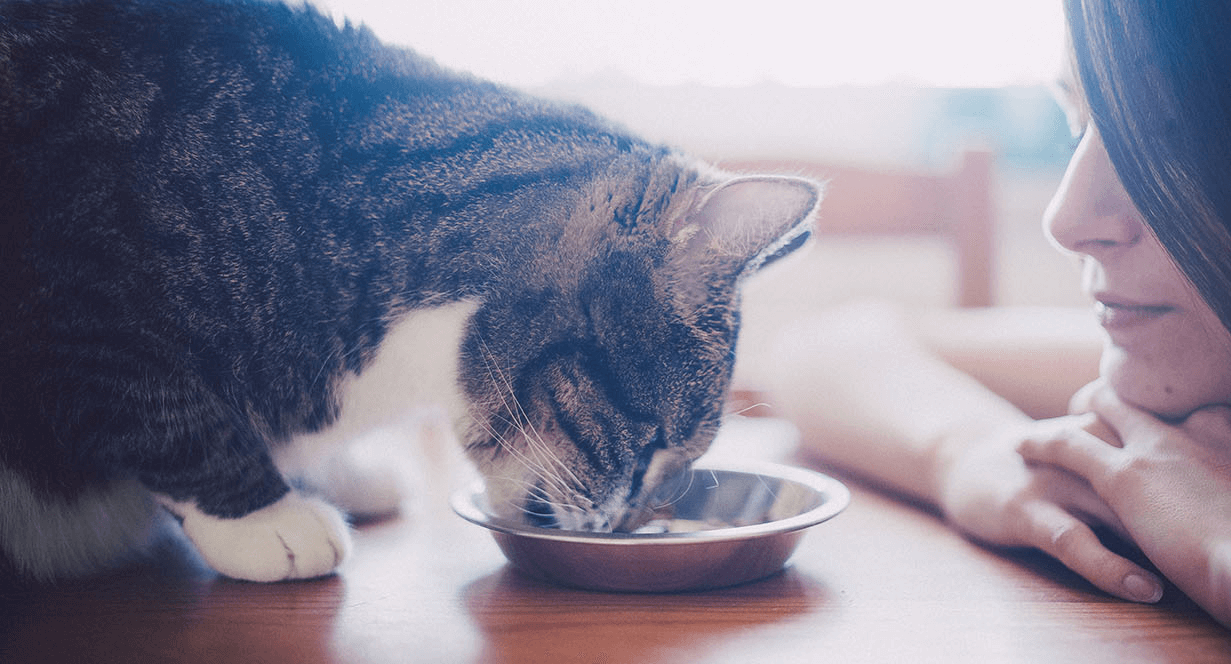
One potential side effect of being a pampered, indoor cat is obesity. If your cat starts to gain weight, limit or change her diet and encourage more exercise. Make time for play with your cat each day.
An adult cat should visit the vet annually. Dental and gum disease, diabetes, hyperthyroidism, and other medical problems can present themselves in adulthood to middle age. Early detection is essential to successful treatment and extended life.
As your cat nears 8 years old, be sure to watch for signs of other age-related illnesses such as weight loss, decreased appetite, neglect of grooming, increased thirst and urination, and retreating from the household.
Both you and your cat will enjoy these peak years. They will be filled with acrobatic antics and lithe poses you can't help photographing. If you take the appropriate precautions, you can extend the health and fun for many years.


You’ve probably heard that cats are aloof, but that’s not always the case. They can be affectionate, playful and highly attached to their owners, much like a dog. It’s just that cats are at a disadvantage versus dogs because they don’t have the facial physiology that lets their canine counterparts “smile” all the time.
So, don’t be fooled — cats are not only happy, but also immensely talented at bringing joy to their humans. In the market for crazy antics one minute, soft cuddles the next? Cats are a low-risk, high-yield investment in complex personalities.
With any cat adoption, you are literally saving that animal’s life. Plus, you’re supporting the organization you adopt from, which in turn allows them to help more animals in need, so you’re basically a hero. And all these good feelings happen before you even bring your new kitty home!
Who couldn’t use another friend? Especially one that’s a furry, adorable biscuit factory. Research shows that having a cat can reduce stress and increase confidence, and it’s hard to beat quality time with a cat for anxiety relief. Journalist Jane Pauley once said, “You cannot look at a sleeping cat and feel tense.”
Adopting a cat can be a great move for children, too. There’s no better way to nurture values such as responsibility and empathy than with a frolicky, purrmotored pal. A survey of parents found that children who had bonded with a feline friend enjoy a higher quality of life. (They wanted to survey the cats too, but there was a sunny spot on the carpet that needed to be napped in, so …)
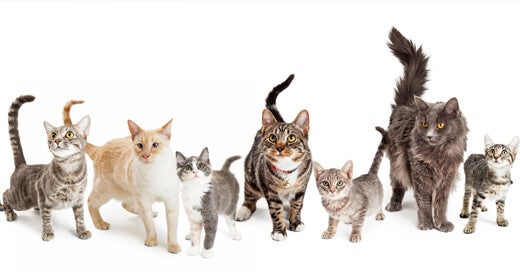
Cats are amazing. They entertain us by defying gravity and contorting themselves into spine-twisting postures. An inquisitive meow or a nudge with their head can totally banish a bad mood. They are the perfect companion to all. If you’re thinking about adding a cute, flu'y, serotonin-boosting kitty cat, this is your sign: Do it!