Enter a keyword below to search for articles and products.


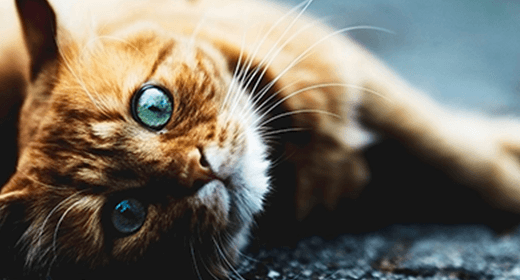
Your adult cat is a perfect specimen of mobility, speed, acuity, and grace. She is in her prime. She shines in her gleaming coat and her eyes are bright.
Jumping, twisting, and landing, her skeleton bears strain our own bodies could never endure. Her muscles are highly flexible. Her movements are lightning fast and her senses highly tuned.
Between ages 1 and 8, your cat will experience the equivalent of a human's journey from teenager to late middle age. As caretaker, you are responsible for good adult cat health and lifestyle in these years and beyond.
It can be difficult to keep such an adventurous creature indoors. But to do so is proven to extend a cat's life, because it limits exposure to predators, cars, fleas, and other cats that may have diseases such as feline leukemia or feline immunodeficiency virus (FIV). Keep your cat duly entertained indoors by providing toys, structures to climb on, spots near windows to watch the action outdoors, or–if she responds to them–TV and special videos.
One potential side effect of being a pampered, indoor cat is obesity. If your cat starts to gain weight, limit or change her diet and encourage more exercise. Make time for play with your cat each day.
An adult cat should visit the vet annually. Dental and gum disease, diabetes, hyperthyroidism, and other medical problems can present themselves in adulthood to middle age. Early detection is essential to successful treatment and extended life.
As your cat nears 8 years old, be sure to watch for signs of other age-related illnesses such as weight loss, decreased appetite, neglect of grooming, increased thirst and urination, and retreating from the household.
Both you and your cat will enjoy these peak years. They will be filled with acrobatic antics and lithe poses you can't help photographing. If you take the appropriate precautions, you can extend the health and fun for many years.
How can you make sure you’re feeding your cat the right food, at the right time and in the right quantities? If you’re choosing a new cat food, deciding on a feeding schedule or wondering about supplements or treats, check out our feeding guidelines for cats.
Life stage, lifestyle and overall condition all factor in to deciding which pet food is right for your cat. Life stage refers to whether your pet is a kitten, an adult or a senior. Lifestyle refers to how active or inactive your cat normally is. Condition refers to the cat’s overall health and body weight.
A practical guideline is that kittens should be fed three times a day from weaning (3 to 6 weeks) to 4 months of age. After 4 months, they should be fed twice a day. Most cats should continue to be fed twice a day throughout their life, although some pets do well with one feeding.
The amount to feed your cat depends on her age, size and activity level. Feeding guidelines, which list the daily-recommended portion, are included on all IAMS™ packages. Start feeding with this amount and adjust according to your pet’s needs. Remember to divide the portion accordingly if you feed more than once a day.
When changing your cat’s diet, it’s important to introduce the new food slowly. Start by offering your cat’s daily portion in a ratio of 25% new food to 75% old food. During the next three days, gradually increase the amount of new food and decrease the amount of old.
Wet food is an excellent treat that can be fed alone or mixed with dry food. Our dry foods are formulated with high-quality protein sources such as chicken, lamb or fish and contain all the essential nutrients pets need. The crunchy texture of dry food also promotes healthy teeth and gums, and provides overall good oral hygiene.
No — boredom with food is a human trait. Cats are creatures of habit and usually are content with just one food. Cats generally eat to meet their energy or nutritional needs. They have very short digestive systems, and if their diet is abruptly or constantly changed, digestive disturbances can occur. Also, constant changes can make your pet a finicky eater.
Adding water will not change the nutritional value of dry cat food. However, once moisture is added the food should be eaten relatively soon, and any uneaten portion should be discarded to avoid spoilage. Feeding your cat dry food is usually encouraged because of the benefit to your cat’s dental health.
Cats and dogs have different nutritional requirements and should not eat each other’s food. For example, cats require a much higher level of taurine in their diet. An occasional venture into each other’s bowls will not be harmful, but is not recommended on a regular basis.
Our foods are nutritionally complete and balanced. Adding vitamins, minerals or oils can offset the balance the food provides. One of the benefits of feeding a high-quality product is that it has been carefully balanced in proper ratios to provide optimal nutrition, so nothing needs to be added.