Enter a keyword below to search for articles and products.
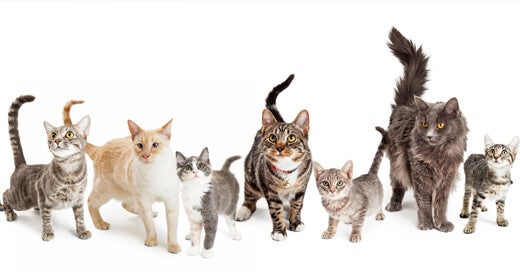
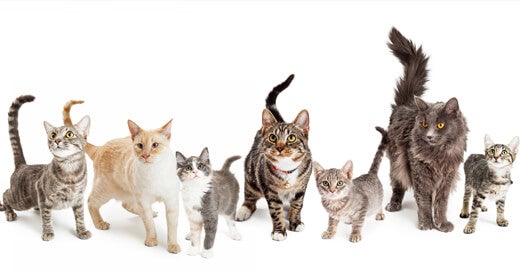
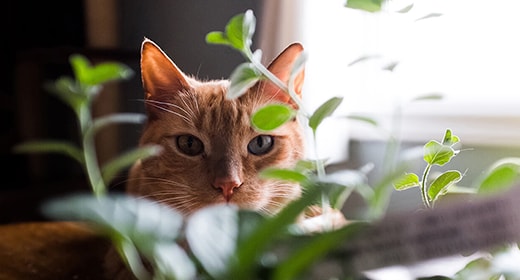
Your adult cat is a perfect specimen of mobility, speed, acuity, and grace. She is in her prime. She shines in her gleaming coat and her eyes are bright.
Jumping, twisting, and landing, her skeleton bears strain our own bodies could never endure. Her muscles are highly flexible. Her movements are lightning fast and her senses highly tuned.
Between ages 1 and 8, your cat will experience the equivalent of a human's journey from teenager to late middle age. As caretaker, you are responsible for good adult cat health and lifestyle in these years and beyond.
It can be difficult to keep such an adventurous creature indoors. But to do so is proven to extend a cat's life, because it limits exposure to predators, cars, fleas, and other cats that may have diseases such as feline leukemia or feline immunodeficiency virus (FIV). Keep your cat duly entertained indoors by providing toys, structures to climb on, spots near windows to watch the action outdoors, or–if she responds to them–TV and special videos.
One potential side effect of being a pampered, indoor cat is obesity. If your cat starts to gain weight, limit or change her diet and encourage more exercise. Make time for play with your cat each day.
An adult cat should visit the vet annually. Dental and gum disease, diabetes, hyperthyroidism, and other medical problems can present themselves in adulthood to middle age. Early detection is essential to successful treatment and extended life.
As your cat nears 8 years old, be sure to watch for signs of other age-related illnesses such as weight loss, decreased appetite, neglect of grooming, increased thirst and urination, and retreating from the household.
Both you and your cat will enjoy these peak years. They will be filled with acrobatic antics and lithe poses you can't help photographing. If you take the appropriate precautions, you can extend the health and fun for many years.
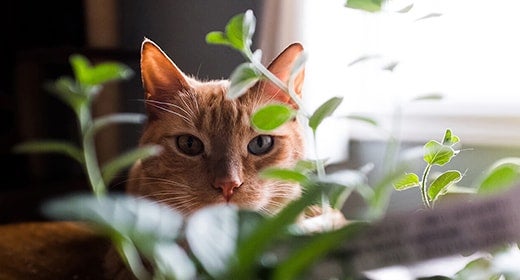
Humans aren’t the only ones affected by allergies. Like you, your adult cat can suffer from allergic reactions to any number of things in the air, on her skin and in her food. Allergies must be diagnosed and treated by a veterinarian, but first you must know what to look for.
Four of the most common types of allergies that might affect your cat are inhalant, food, contact and flea allergies.
Inhalant allergies in cats are caused by the same common allergens that affect you: dust, grass, trees, mold, pollen, ragweed and so on. They can be seasonal or persistent, and while some breeds may experience the same sniffly, sneezy symptoms humans often suffer, skin reactions are most common. Inhalant allergies can often be treated with the same medications you take, but please don’t treat your cat’s allergies without veterinary supervision.
Food allergies in cats can be the most difficult to diagnose and manage. Treatment involves a hit-or-miss approach involving a restricted diet and the gradual reintroduction of possible allergens to determine the culprit. Skin reactions to food allergies are common in cats, but frequent vomiting or diarrhea also can be a sign. Keep in mind that if your cat’s diet changes (or she just ate something she wasn’t supposed to), she may experience an episode of vomiting or diarrhea. This doesn’t necessarily mean your cat has an allergy. Watch and see if it becomes a persistent problem before scheduling a trip to the vet.
You might be surprised to learn that most cats are only vaguely bothered by fleas. But those that are allergic can suffer — and so can their owners. Contact and flea allergies generally cause skin irritation in cats and are treated topically. Cats with contact and flea allergies often chew their skin raw, leading to hair loss, odor and infection, so fastidious flea control is a must.
The most common allergy symptoms in cats are skin reactions, regardless of the cause, and they can appear at any age. Just because your cat didn’t have allergies as a kitten doesn’t mean she won’t have them as an adult. If your cat suffers from any of the following symptoms, take her to the vet for a consultation:
Allergies can vary from cat to cat, so it is important that you work with your vet to make sure your cat gets the best possible treatment. You’ll both be happier as a result.