Enter a keyword below to search for articles and products.


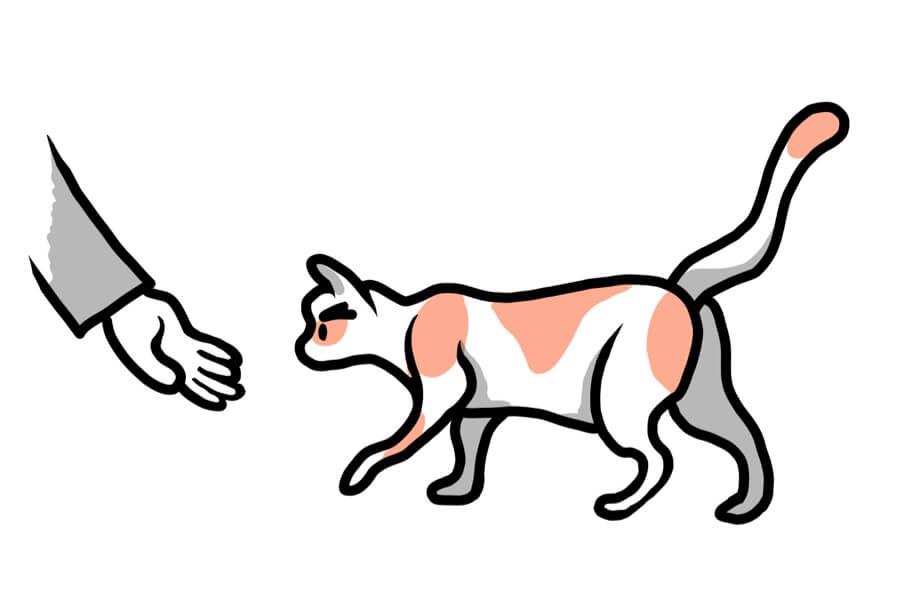
You’ve probably heard that cats are aloof, but that’s not always the case. They can be affectionate, playful and highly attached to their owners, much like a dog. It’s just that cats are at a disadvantage versus dogs because they don’t have the facial physiology that lets their canine counterparts “smile” all the time.
So, don’t be fooled — cats are not only happy, but also immensely talented at bringing joy to their humans. In the market for crazy antics one minute, soft cuddles the next? Cats are a low-risk, high-yield investment in complex personalities.
With any cat adoption, you are literally saving that animal’s life. Plus, you’re supporting the organization you adopt from, which in turn allows them to help more animals in need, so you’re basically a hero. And all these good feelings happen before you even bring your new kitty home!
Who couldn’t use another friend? Especially one that’s a furry, adorable biscuit factory. Research shows that having a cat can reduce stress and increase confidence, and it’s hard to beat quality time with a cat for anxiety relief. Journalist Jane Pauley once said, “You cannot look at a sleeping cat and feel tense.”
Adopting a cat can be a great move for children, too. There’s no better way to nurture values such as responsibility and empathy than with a frolicky, purrmotored pal. A survey of parents found that children who had bonded with a feline friend enjoy a higher quality of life. (They wanted to survey the cats too, but there was a sunny spot on the carpet that needed to be napped in, so …)
Cats are amazing. They entertain us by defying gravity and contorting themselves into spine-twisting postures. An inquisitive meow or a nudge with their head can totally banish a bad mood. They are the perfect companion to all. If you’re thinking about adding a cute, flu'y, serotonin-boosting kitty cat, this is your sign: Do it!
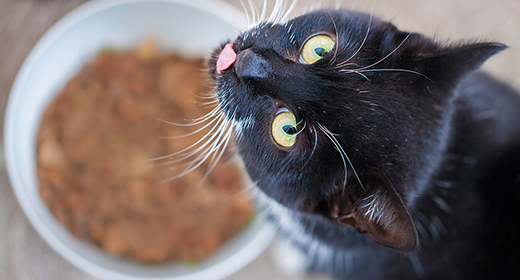
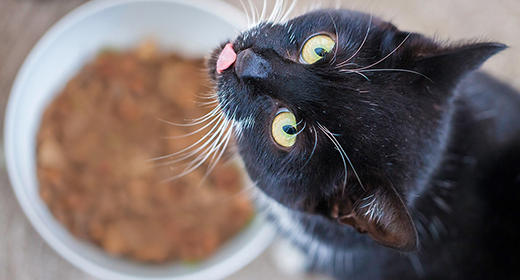
Okay, we admit it: We’re kind of obsessed with cat food. And while we’ve done tons of research to create the world’s best single-serving menu items, all it really took was observing the obvious. Here are five basic facts about cat food you didn’t know you already knew.
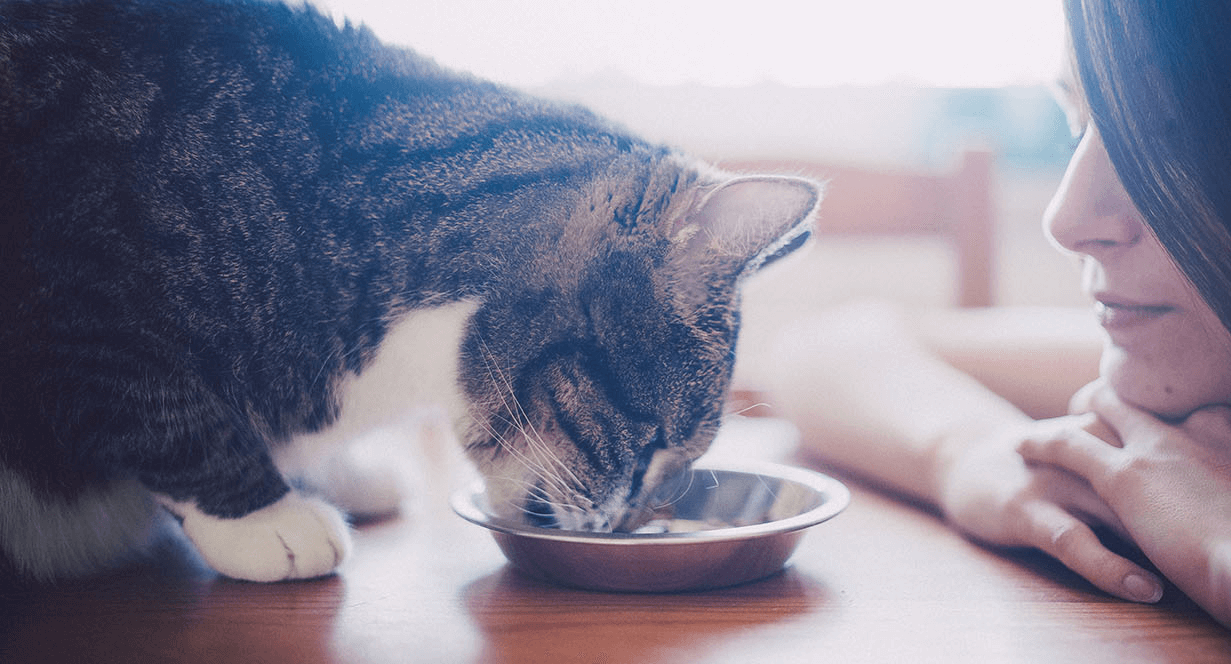
We presented a neighbor’s 12-year-old tabby with both a Perfect Portions™ fresh salmon meal and yesterday’s salmon leftovers from a can. Guess what happened? She sniffed us out and chose fresh. Is it because her sense of smell is more powerful than a human’s? Or was it completely obvious that the leftovers had mixed with the scent of the blue cheese and pea soup sitting next to the can in the fridge?
How would you like to have tuna salad for lunch? And then for dinner? And then for breakfast? Don’t assume your cat doesn’t mind just because her taste buds are different — feeling superior is a cat’s job. Your job is to give them variety, which is hard when you have leftovers coming out of your ears. Try a multipack of Perfect Portions™ for the ultimate in no-leftovers variety.
Why your cat judges you
A focus group of four people at a recent dinner party revealed that opened cat food smells less than good. It’s especially embarrassing if you're the host and the smell keeps wafting over your mashed potatoes.
What cat food smells like when it's left over in your fridge
Canned food has been around for more than 100 years, so it seemed high time for a design update. When we reimagined canned cat food, we decided to get rid of the can altogether in favor of Perfect Portions™, with no-mess, no hassle containers. The results have been, uh, uncanny. Everyone agrees we should can the can. For good.
With food this good, lunchtime for cats can be just as tempting as Thanksgiving dinner for humans. Cats can have problems maintaining a healthy diet — and sticking to healthy portions — just like we do. It’s why we’ve taken the guesswork out of meals with Perfect Portions™. Each pack contains just enough (and not too much) every time. So don’t be fooled by cat food cans with 1½ servings. Unless you plan on training your cat to use the treadmill.
Cats after mealtime on regular canned food