Enter a keyword below to search for articles and products.
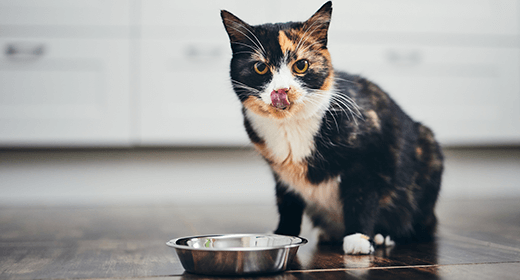
Even if a cat food is formulated to provide all of the essential nutrients, it is of little value if the cat won’t eat it. Quality cat foods are carefully formulated not only to be highly nutritious, but to be highly palatable as well.
Palatability is a term used to describe how well a cat likes the taste, smell, and texture of a food. A premium pet food manufacturer spends a considerable amount of time conducting controlled feeding studies to determine the right combination of ingredients and processing techniques to produce a nutritious, palatable food.
There are two ways to test and measure the palatability of cat food:
First bite: The first palatability test is called the first bite preference, and measures the cat's first impression of a food's aroma and appearance.
Total volume: Because the novelty of a new diet can cause highs and lows in first bite tests, a second test, the total volume measurement, is conducted. Total volume determines the staying power, or ability of a diet to maintain the animal's interest over time. This is the cat's overall choice of food based on taste, texture, and nutrition for the entire test period.
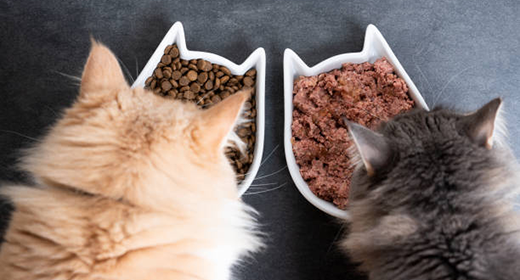
In order to obtain and interpret accurate results, palatability studies must be performed by experienced animal technicians, with data analyzed by research nutritionists. Feeding studies are conducted by offering an animal two bowls of food at the same time. Each bowl contains a different diet that has been carefully weighed and recorded.
The technician observes which food the animal chooses to eat first, then records that as the first bite preference. After a specific time period, bowls are removed and any remaining food is weighed and recorded. Diets are also switched from left to right each day of the study to ensure that animals are not eating one diet simply out of habit.
The total volume measurement is determined by calculating the difference between the beginning and ending weights of each food. This procedure is repeated using the same two diets with the same group of dogs or cats for five days. At the end of the five-day study, all observations and data are compiled and analyzed to determine the overall palatability of each diet.
Cats are attracted by not only the taste of a food, but also by the sight, aroma, and texture. Cats can be very particular about the shape and size of dry food kibbles and also prefer a food with an acidic taste.
Liquid digest is simply protein that is enzymatically broken down into amino acids, which are the building blocks of protein. The enzymatic process reduces large protein pieces to smaller protein pieces and free amino acids. By adding small amounts of acid, the enzymatic or digestive reaction is stopped, and a stable liquid ingredient is produced. After a dry food formula is cooked, formed into kibbles, and dried, the liquid digest is sprayed evenly on the outside of the dry kibbles. This is called enrobing. Not only does the liquid digest make the food highly palatable, but it also adds to the overall digestibility of the food.
Yes. We use liquid digest made from chicken to enhance the palatability of dry foods and to contribute to the nutritional value of the diet. Some pet foods include flavor enhancers, such as onion powder, which simply mask the aroma and taste of the ingredients and provide no nutritional benefits to the animal.
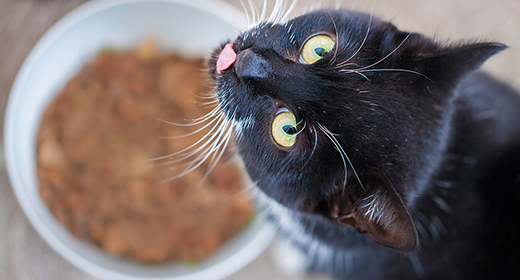
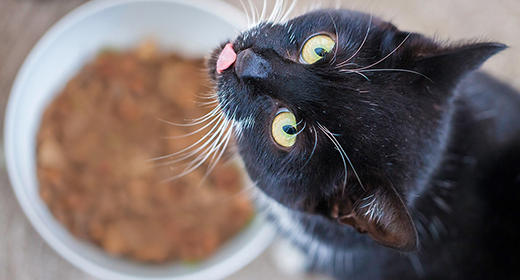
Okay, we admit it: We’re kind of obsessed with cat food. And while we’ve done tons of research to create the world’s best single-serving menu items, all it really took was observing the obvious. Here are five basic facts about cat food you didn’t know you already knew.
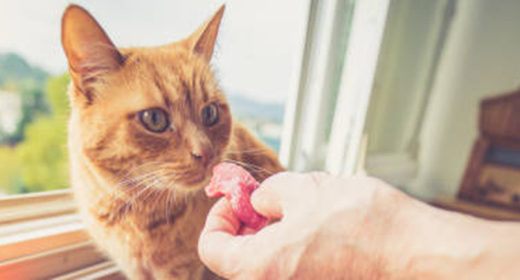
We presented a neighbor’s 12-year-old tabby with both a Perfect Portions™ fresh salmon meal and yesterday’s salmon leftovers from a can. Guess what happened? She sniffed us out and chose fresh. Is it because her sense of smell is more powerful than a human’s? Or was it completely obvious that the leftovers had mixed with the scent of the blue cheese and pea soup sitting next to the can in the fridge?
How would you like to have tuna salad for lunch? And then for dinner? And then for breakfast? Don’t assume your cat doesn’t mind just because her taste buds are different — feeling superior is a cat’s job. Your job is to give them variety, which is hard when you have leftovers coming out of your ears. Try a multipack of Perfect Portions™ for the ultimate in no-leftovers variety.
Why your cat judges you
A focus group of four people at a recent dinner party revealed that opened cat food smells less than good. It’s especially embarrassing if you're the host and the smell keeps wafting over your mashed potatoes.
What cat food smells like when it's left over in your fridge
Canned food has been around for more than 100 years, so it seemed high time for a design update. When we reimagined canned cat food, we decided to get rid of the can altogether in favor of Perfect Portions™, with no-mess, no hassle containers. The results have been, uh, uncanny. Everyone agrees we should can the can. For good.
With food this good, lunchtime for cats can be just as tempting as Thanksgiving dinner for humans. Cats can have problems maintaining a healthy diet — and sticking to healthy portions — just like we do. It’s why we’ve taken the guesswork out of meals with Perfect Portions™. Each pack contains just enough (and not too much) every time. So don’t be fooled by cat food cans with 1½ servings. Unless you plan on training your cat to use the treadmill.
Cats after mealtime on regular canned food