Enter a keyword below to search for articles and products.
Even if a cat food is formulated to provide all of the essential nutrients, it is of little value if the cat won’t eat it. Quality cat foods are carefully formulated not only to be highly nutritious, but to be highly palatable as well.
Palatability is a term used to describe how well a cat likes the taste, smell, and texture of a food. A premium pet food manufacturer spends a considerable amount of time conducting controlled feeding studies to determine the right combination of ingredients and processing techniques to produce a nutritious, palatable food.
There are two ways to test and measure the palatability of cat food:
First bite: The first palatability test is called the first bite preference, and measures the cat's first impression of a food's aroma and appearance.
Total volume: Because the novelty of a new diet can cause highs and lows in first bite tests, a second test, the total volume measurement, is conducted. Total volume determines the staying power, or ability of a diet to maintain the animal's interest over time. This is the cat's overall choice of food based on taste, texture, and nutrition for the entire test period.
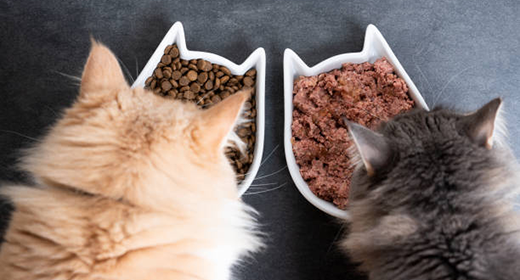
In order to obtain and interpret accurate results, palatability studies must be performed by experienced animal technicians, with data analyzed by research nutritionists. Feeding studies are conducted by offering an animal two bowls of food at the same time. Each bowl contains a different diet that has been carefully weighed and recorded.
The technician observes which food the animal chooses to eat first, then records that as the first bite preference. After a specific time period, bowls are removed and any remaining food is weighed and recorded. Diets are also switched from left to right each day of the study to ensure that animals are not eating one diet simply out of habit.
The total volume measurement is determined by calculating the difference between the beginning and ending weights of each food. This procedure is repeated using the same two diets with the same group of dogs or cats for five days. At the end of the five-day study, all observations and data are compiled and analyzed to determine the overall palatability of each diet.
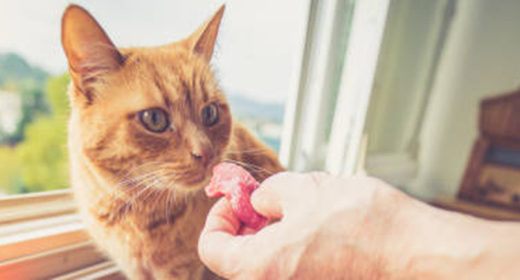
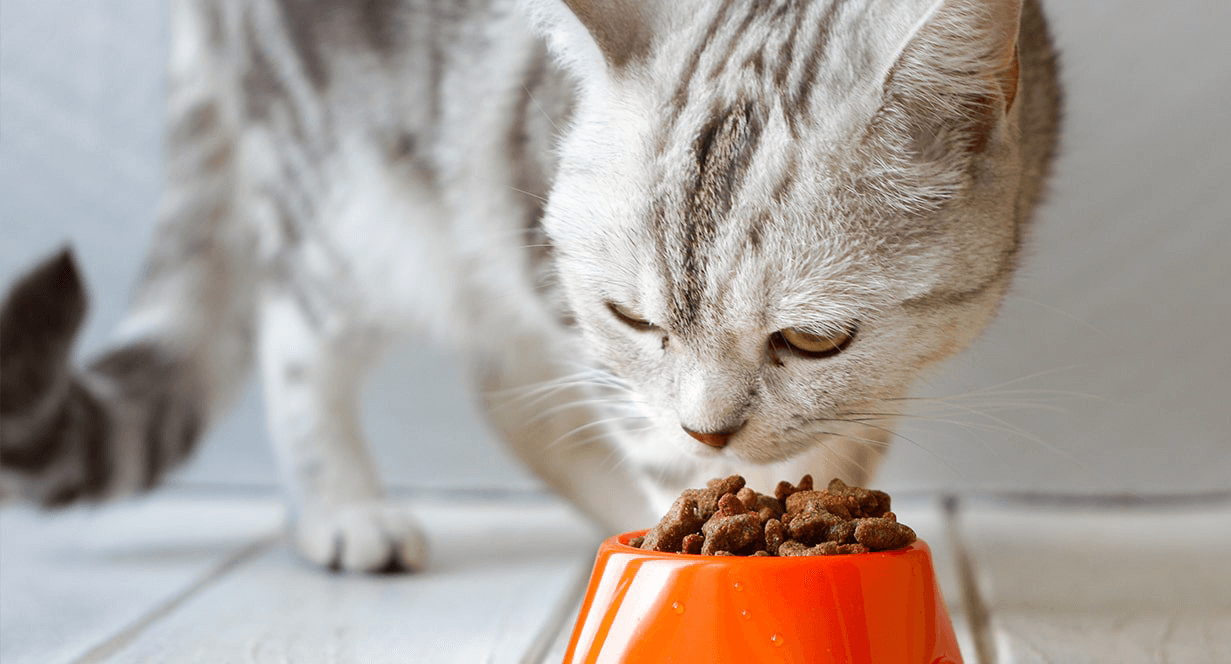
Cats are attracted by not only the taste of a food, but also by the sight, aroma, and texture. Cats can be very particular about the shape and size of dry food kibbles and also prefer a food with an acidic taste.
Liquid digest is simply protein that is enzymatically broken down into amino acids, which are the building blocks of protein. The enzymatic process reduces large protein pieces to smaller protein pieces and free amino acids. By adding small amounts of acid, the enzymatic or digestive reaction is stopped, and a stable liquid ingredient is produced. After a dry food formula is cooked, formed into kibbles, and dried, the liquid digest is sprayed evenly on the outside of the dry kibbles. This is called enrobing. Not only does the liquid digest make the food highly palatable, but it also adds to the overall digestibility of the food.
Yes. We use liquid digest made from chicken to enhance the palatability of dry foods and to contribute to the nutritional value of the diet. Some pet foods include flavor enhancers, such as onion powder, which simply mask the aroma and taste of the ingredients and provide no nutritional benefits to the animal.


What is it about owning a cat that just makes life better? After all, cat ownership isn’t all snuggles and purrs — it can be a big responsibility. They eat every day. (Who would’ve guessed?) They need routine health care, just like their owner. Some cats are serious fur factories, and some will hack up hairballs the size of a kitten. Despite all of the duties and challenges, owning a cat improves our lives. Let’s dive into how cats help humans.
You’ve probably heard that cats are aloof, but that’s not always the case. They can be affectionate, playful and highly attached to their owners, much like a dog. It’s just that cats are at a disadvantage versus dogs because they don’t have the facial physiology that lets their canine counterparts “smile” all the time.
So, don’t be fooled — cats are not only happy; they’re also immensely talented at bringing joy to their humans. In the market for crazy antics one minute, soft cuddles the next? Cats are a low-risk, high-yield investment in complex personalities.
With any cat adoption, you are literally saving that animal’s life. Plus, you’re supporting the organization you adopt from, which in turn allows them to help more animals in need, so you’re basically a hero. And all these good feelings happen before you even bring your new kitty home!
Who couldn’t use another friend? Especially one that’s a furry, adorable biscuit factory. Research shows that having a cat can reduce stress and increase confidence, and it’s hard to beat quality time with a cat for anxiety relief. Journalist Jane Pauley once said, “You cannot look at a sleeping cat and feel tense.”
Adopting a cat can be a great move for children, too. There’s no better way to nurture values such as responsibility and empathy than with a frolicky, purr-motored pal. A survey of parents found that children who had bonded with a feline friend enjoyed a higher quality of life. (They wanted to survey the cats too, but there was a sunny spot on the carpet that needed to be napped in, so …)
Cats are amazing. They entertain us by defying gravity and contorting themselves into spine-twisting postures. An inquisitive meow or a nudge with their head can totally banish a bad mood. They are the perfect companion to all. If you’re thinking about adding a cute, fluffy, serotonin-boosting kitty cat, this is your sign: Do it!