Enter a keyword below to search for articles and products.
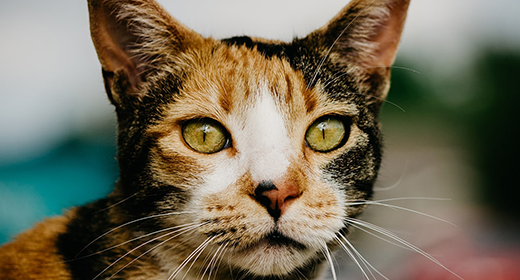
Nutrients such as protein, fat, vitamins, and minerals are important players in the skin and coat health of dogs and cats. To understand their role, it is necessary to first understand skin and hair.
The purpose of skin and hair is to block things (such as water or heat) from leaving, or things (such as viruses and bacteria) from entering the body.
The hair coat is composed almost entirely of protein. If an animal's diet doesn't contain adequate protein quantity and quality, hair may fall out, or become dry, weak, and brittle.
Skin is made up of squamous cells, which are flat cells tightly packed together. These cells have tough membranes that are composed of proteins and fats. Without proper amounts of these nutrients, cell membranes weaken, allowing water to escape and bacteria and viruses to enter more easily.
Proteins are found in both animal-based and plant-based ingredients. Animal-based proteins contain all the essential amino acids cats need, whereas plant-based proteins may contain only some essential amino acids. Cats need animal-based proteins to achieve optimal health.
Fats also can be found in both animal-based and plant-based ingredients, and they are incorporated into skin cells as fatty acids. There are two essential fatty acids for skin and coat health. Linoleic acid maintains skin and coat condition in dogs and cats. Without enough linoleic acid cats may experience dull, dry coat, hair loss, greasy skin and increased susceptibility to skin inflammation. Cats also require arachidonic acid for normal skin and coat health.
Both of these essential fatty acids are omega-6 fatty acids and are found in animal tissues such as chicken fat. Linoleic acid is also found in some vegetable oils, such as corn and soybean oils. Most commercial cat diets contain more than adequate amounts of omega-6 fatty acids.
Because these fatty acids can be converted to compounds that increase susceptibility to skin inflammation, it is important to balance the amount of omega-6 fatty acids in the diet with omega-3 fatty acids, which do not reduce susceptibility to inflammation.
Omega-3 fatty acids are found in oils from fish and some plants (canola and flax).
IAMS™ research has found that combining fat sources in the diet at a ratio of five to 10 omega-6 fatty acids to one omega-3 fatty acid results in excellent skin and coat health.
Vitamins and minerals are essential for the development of healthy skin and hair coat. The best way to provide these nutrients is through a complete and balanced diet containing appropriate amounts of essential vitamins and minerals rather than through supplements.
Vitamin or Mineral | Important for Skin and Coat Health |
Vitamin A | Necessary for growth and repair of skin |
Vitamin E | Protects skin cells from oxidant damage |
Biotin | Aids in the utilization of protein |
Riboflavin (B2) | Necessary for fat and protein metabolism |
Zinc | Necessary for fat and protein metabolism |
Copper | Involved in tissue, pigment, and protein synthesis |
Diet is often believed to be a factor when changes in skin and coat condition are noticed. The most common causes of these changes, however, are season and life stage.
As cold weather approaches, most dogs and cats grow a thick coat to help keep heat in and cold air out. As the weather begins to warm up, they shed the thick, heavy coat.
Most kittens are born with soft, fuzzy hair, but as they age, a coarser coat grows. Pregnant or lactating cats also may experience a change in coat condition or hair loss.
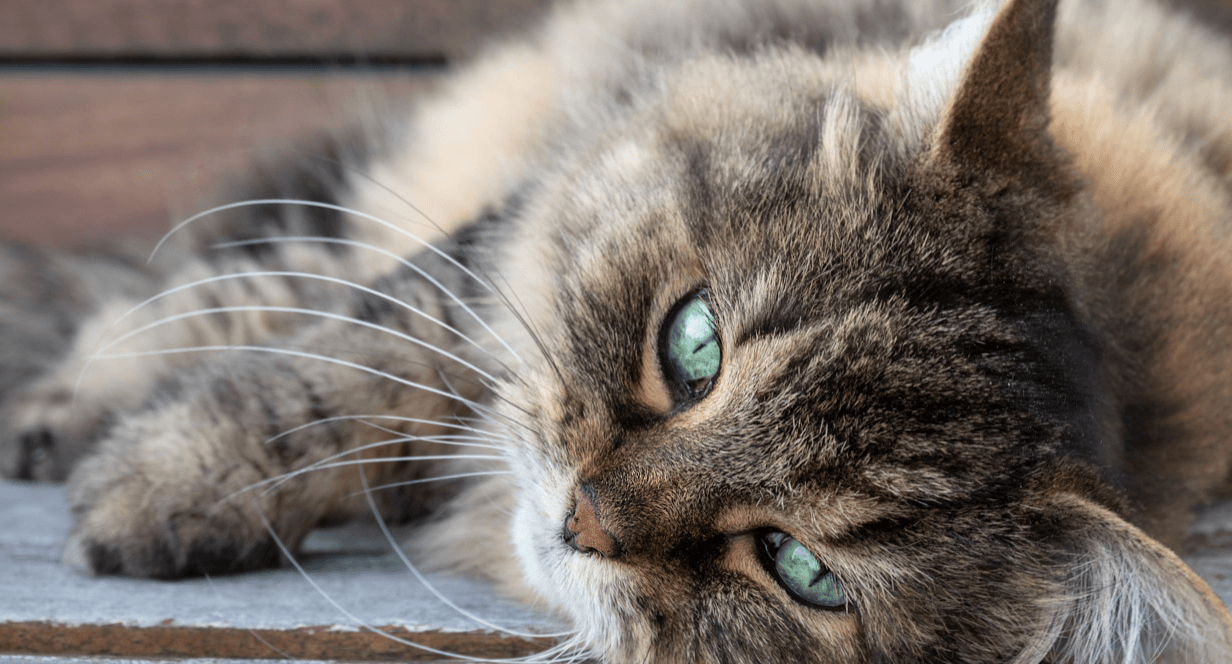
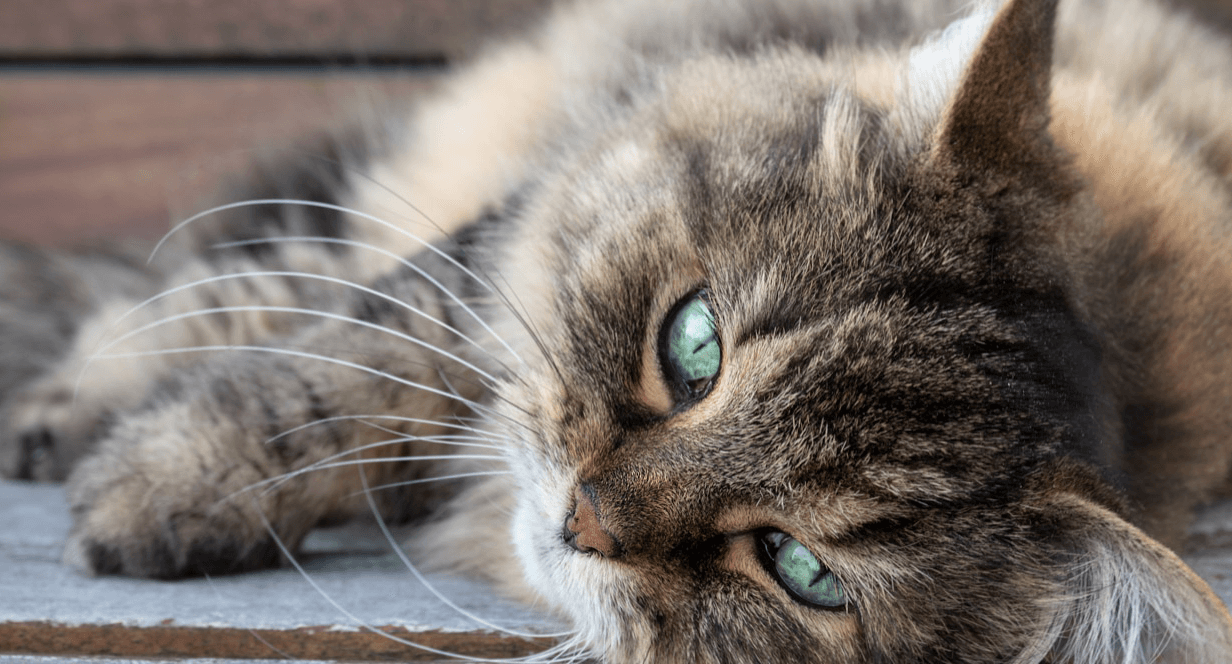
No matter how much you want them to stay adorable kittens, every cat eventually grows up to become an adorable senior. In fact, thanks to improvements in medical care and nutrition, cats are now living longer and healthier lives than ever before.
But as they age, your cat’s needs can change. By staying aware of the common signs of aging in cats and making a few adjustments to help them stay comfortable, you can turn your cat’s older years into their golden years.
Every feline is unique, but cats are usually considered senior once they reach 7 years old. Your older cat isn’t going to start leaving the blinker on or hiking their pants up to their armpits, but there are signs that may indicate your cat is getting on in years.
Older cats often eat less as their senses of smell and taste diminish. Sudden weight loss or gain could be a sign that something is off.
We all know cats love to sleep, but if yours is sleeping more than usual and doesn’t show the same interest in playing or other activities, it could indicate lower energy levels. Not being able to jump or climb to their favorite spots could be a sign of arthritis as well.
It’s a good idea to check your older cat’s teeth more often, looking for any changes in appearance. If they’re pawing at their mouth or aren’t eating as much, it could mean something is amiss. If you suspect there’s an issue, consult your vet.
With a few simple changes, you can keep your older cat happy and comfortable for many years to come — here’s how.
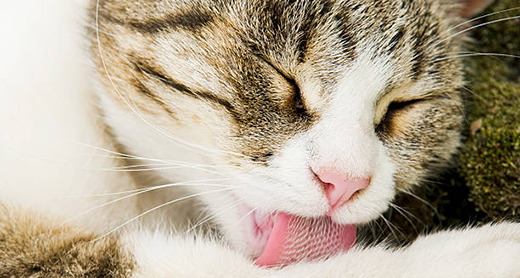
It can be harder for older cats to groom themselves as thoroughly as before. You can lend a helping hand by giving them regular brushings. Make sure to keep their nails trimmed, too. It’s a great way to spend some extra quality time together.
After years of leaping onto the kitchen counter when you weren’t looking, your senior kitty might have trouble getting to their favorite spots. You may want to place a ramp or folding steps near their favorite couch or bed so they don’t have to jump as much. Make sure they have easy access to their food and litter box, too. Adding a litter box on each floor of your house can help prevent accidents.
Older cats love their routines. The more you’re able to keep things consistent and predictable, the calmer and less frightened they’ll be.
One cat year is like four human years, so a lot can happen in that span, especially in older cats. More frequent vet exams can detect health issues before they become serious.
Cats crave warmth. Make sure your grandcat has access to a number of sunny spots or heating vents to keep them toasty. Leave comfortable, warm blankets around your home for lounging, and consider bumping up the thermostat a degree or two for them — even though their favorite furnace will always be your lap.