Enter a keyword below to search for articles and products.
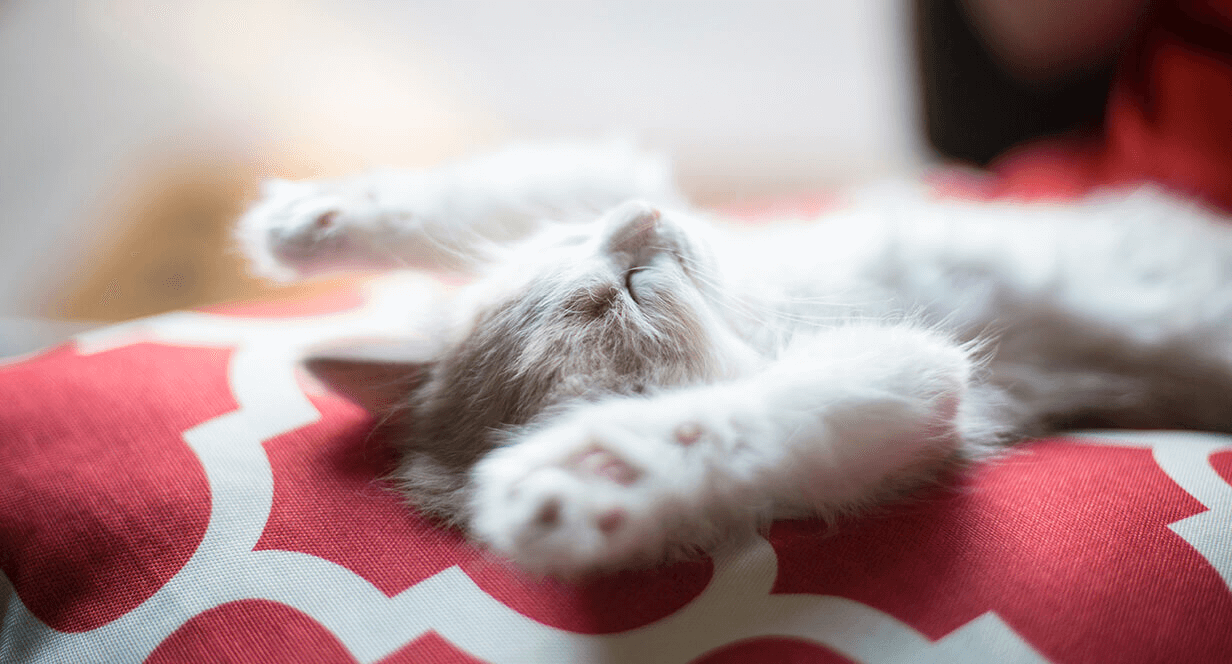
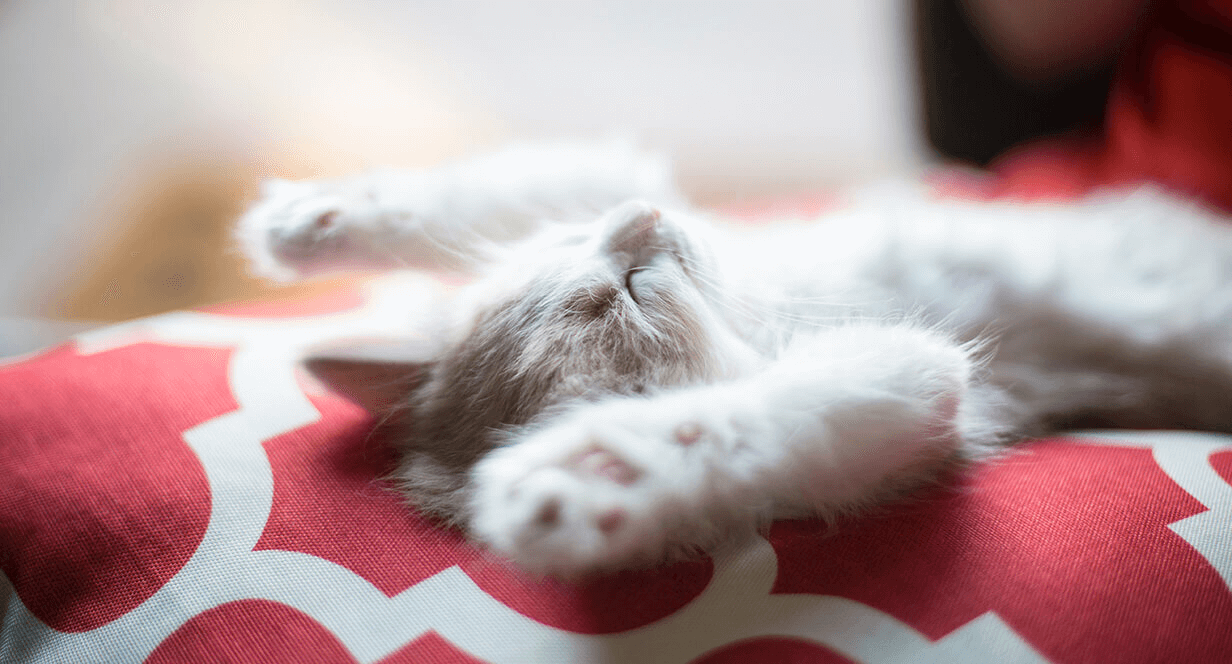
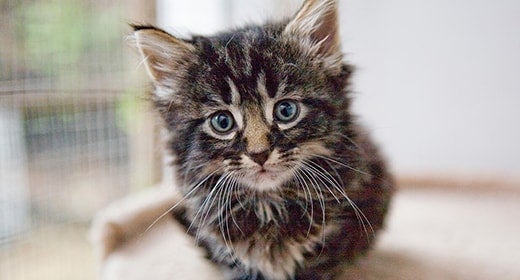
Raising a kitten is one of the most enjoyable experiences a pet owner can have, but it can also be as challenging as it is rewarding. When it comes to your kitten’s diet, it’s important to set up a solid foundation to make sure your kitten grows into a healthy, well-adjusted cat.
The timeline for feeding your newborn kitten changes rapidly during the first six months. The following is a broad overview of the key development milestones your kitten will experience to help you learn what and how you should feed the newest member of your family.
AGE | MILESTONE |
7-10 days old | Kittens begin to urinate and defecate on their own. |
10-18 days old | Kittens attempt to stand. Kittens double their birth weight at about day 14. Kittens’ eyes begin to open. Kittens’ ears begin to open. |
18-21 days old | Kittens hear and respond to noises. Kittens begin to walk. |
3 weeks old | Begin weaning process for orphaned kittens. Kittens begin responsive vocalization. Deciduous (baby) teeth will begin erupting. |
4 weeks old | Begin weaning process for mother-fed kittens. |
3-6 months old | Kittens’ adult teeth erupt. |
Due to breed differences and animal individuality, it is impossible to predict exact dates for growth and development milestones for kittens. However, by using these milestones as a guide for healthy growth, you can spot and possibly prevent developmental problems early on.
When your kitten reaches 4 weeks old (or 3 weeks old for orphaned kittens), you can begin the weaning process. Follow this step-by-step process to wean a kitten using IAMS:
The entire process should take approximately three weeks.
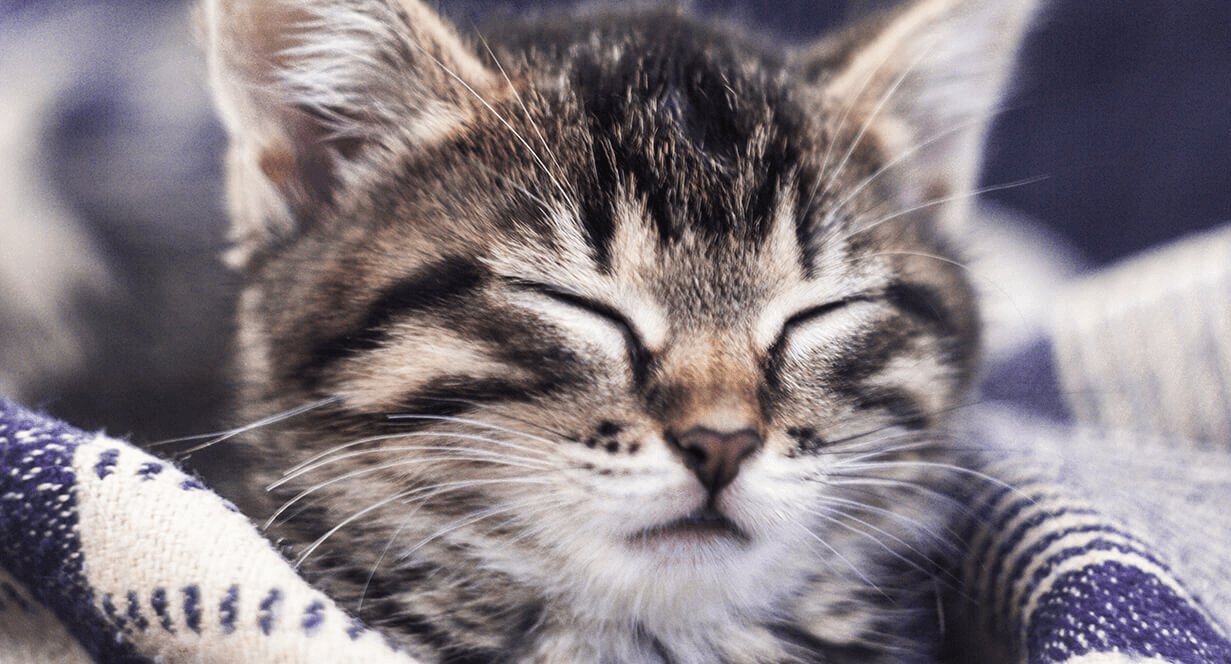
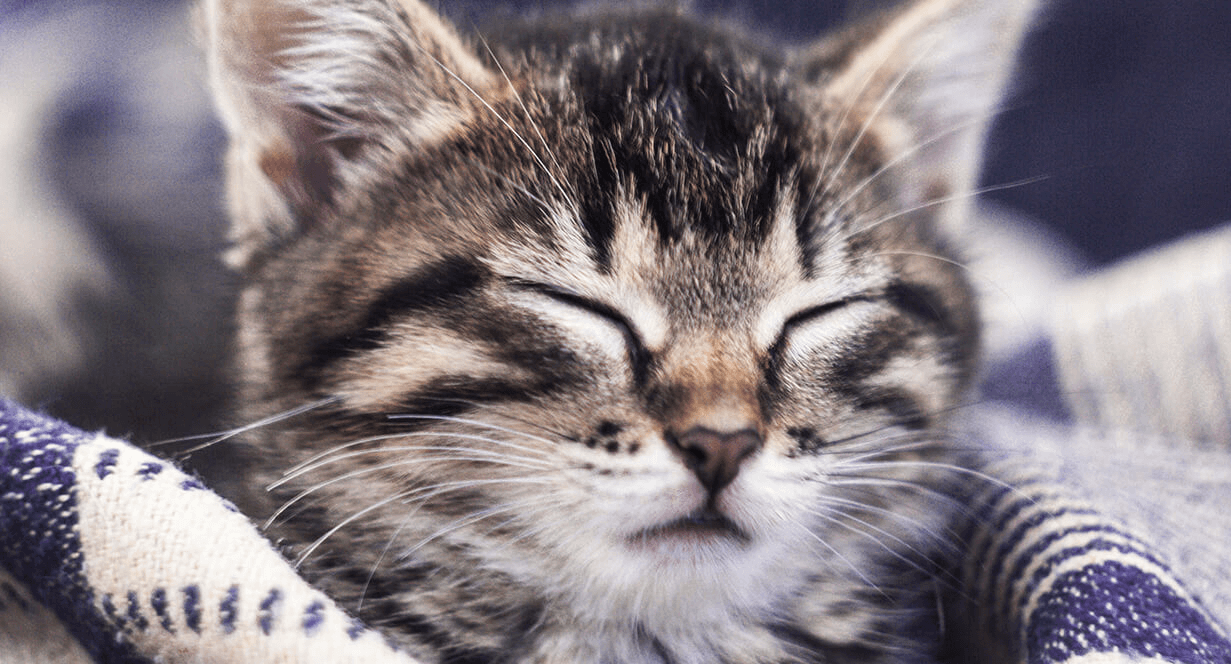
Most cats spend a considerable amount of time grooming their coats. As they do so, their hair is swallowed and may build up over time in their stomach. If the hairball doesn’t pass from the stomach, the cat will attempt to eliminate it by coughing or gagging.
Many cats have a hairball at some point in their life, but some cats, such as long-haired cats and cats that groom excessively, are especially prone to hairballs. In hairball-prone cats, frequent brushing can help reduce the amount of hair that is ingested, thereby reducing the risk of hairball formation. Feeding a special diet designed to decrease the likelihood of developing a hairball may also help.
Diet can be important in hairball relief for several reasons. The fiber combination of powdered cellulose and beet pulp in IAMS™ hairball formulas helps move hair through the digestive tract. IAMS research has shown that cats fed IAMS ProActive Health™ Adult Hairball Care pass 80% more hair in their feces than cats fed a leading premium dry cat food. By helping ingested hair to be passed from the digestive tract, IAMS hairball formulas help reduce the opportunities for hairballs to form. This fiber blend also includes a moderately fermentable component to promote intestinal health. High-quality, animal-based protein and fat, found in IAMS hairball formulas, provide important nutrients for skin and coat health. Maintaining skin and coat health may reduce the risk of excessive shedding, ingestion of hair from grooming, and, consequently, hairball formation.
Overweight cats have special nutritional needs in order to promote weight loss or weight management. Likewise, senior cats have special nutritional needs that are better met through a diet designed specifically for them. If an overweight or senior cat has problems with hairballs, feeding an IAMS hairball formula for indoor or senior (age 7+) cats is a great choice.
Yes. Mixing other foods with IAMS hairball formulas may compromise the effectiveness of this diet by diluting the nutrients that help reduce the risk of hairball formation. Switching between IAMS hairball formulas and another cat food may also decrease the benefit of feeding this diet.