Enter a keyword below to search for articles and products.
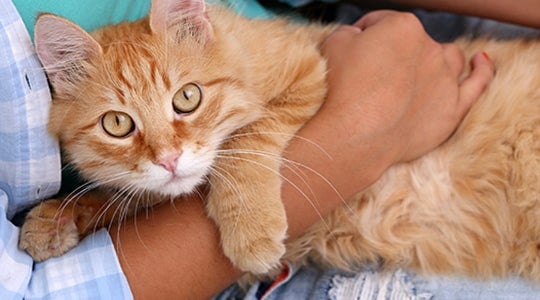
Introducing a new cat into your home and life is a rewarding and fulfilling decision, one that requires some thought before you head to the shelter. So what should you consider before adopting a cat? Follow our tips to prepare for the best.
First, let’s explore some of the commitments you’ll need to make to ensure your new cat is content (and that you are, too!).
Make sure your home is cat-safe by eliminating or hiding away anything that could harm or poison your newbie. This includes:
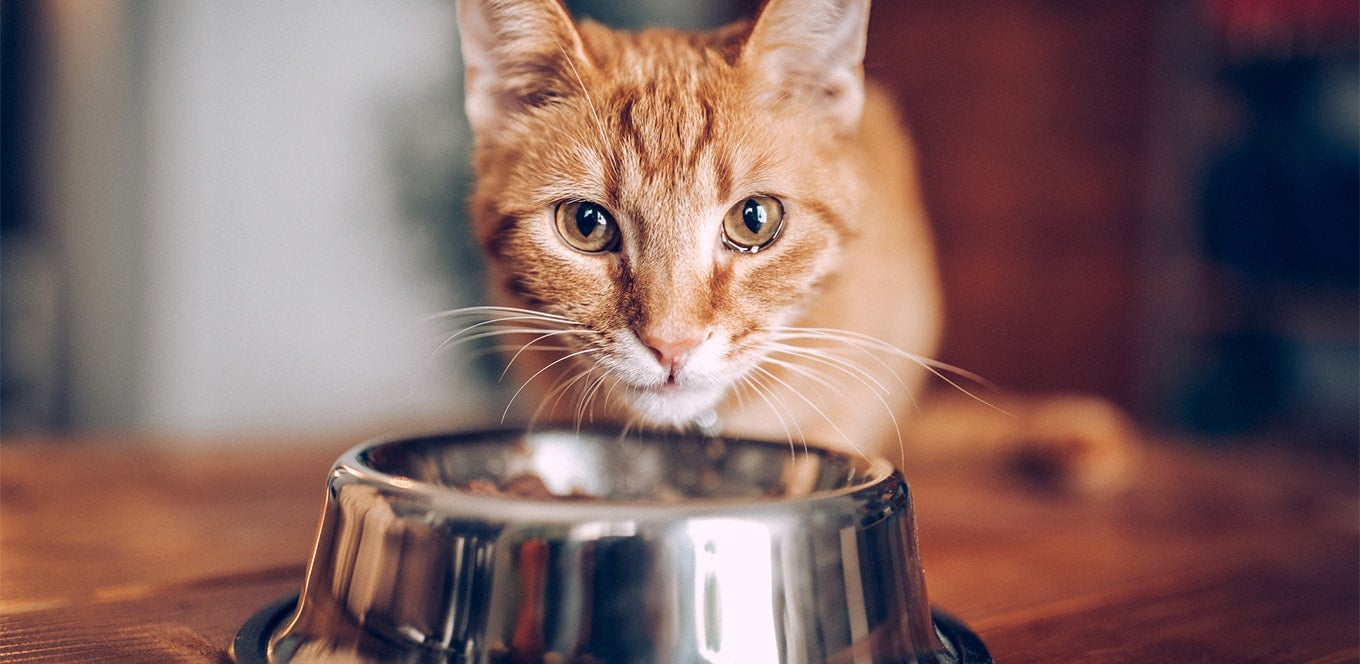
You’ll need a cat bed or hideout, toys, scratching mats, a cat tree or climbing tower, food and water bowls, litter and boxes, and, of course, well-balanced, nutritious cat food. IAMS™ provides a wide range of tailored, nutritional cat food to promote the health of your new cat.
Plan to budget for an annual exam (older cats or those with special conditions may need more frequent visits), medication and parasite preventives. It’s smart to save for emergency care, too.
Providing daily play and exercise opportunities can keep your cat physically and psychologically healthy, and help strengthen your bond. Toys, feather wands and cat trees should be part of your regular rotation! And believe it or not, many cats can be trained to walk on a leash.
Not all cats are solitary or antisocial; however, they can become this way if they aren’t introduced properly to new experiences. Strange sounds, smells and even appliances in your home might make a new cat anxious, as can other family members and pets (more on this later). So be sure to help your new cat get accustomed to unfamiliar people, places and things, and reward and praise them when doing so.
Make sure you have the necessary box, scoop and other supplies to keep things tidy. If you have a multiple-cat household, provide one box per cat, plus one additional box, to help quell territorial issues.
Keep in mind that cats often live into their teens and maybe even a second decade if you’re lucky. Know that you’re adopting a true family member for the extent of their lifetime.
A cat match made in heaven starts by asking some questions about yourself.
If you are not home regularly or gone for extended amounts of time, a cat’s independent nature can be a great fit. If your life includes other people or pets, make sure their behaviors, personalities and lifestyles suit having a cat family member — both for their sake and the cat’s. Allergies can be a dealbreaker, so take note of anyone in your home with cat allergies and their or your willingness to take allergy medication, vacuum constantly and groom the cat regularly to alleviate symptoms.
Your home should also have the space for play and exercise and shouldn’t harbor anything dangerous to your cat.
Cats offer a variety of distinctive personality types, ranging from puppy-like cuddliness to feigned disinterest. Some cats are constantly on the go, exploring and poking into this and that, while others are certified nap ninjas. Vocally, they can be chatty catties or more taciturn souls. In short, you have a wide spectrum of personality types to choose from — which is what makes cats such fascinating and easy-to-love pets.
Kittens will need a lot of attention, direction and a fair amount of patience. Their size, energy and inquisitive nature means you’ll need to supervise them closely.
Adult cats often will settle more quickly into a routine once introduced to their new home. An older or senior adult cat may be even more comfortable interacting with children and furniture. And providing a real home for a cat in their golden years is a rewarding and noble gesture you can feel good about.
All cats shed. This will affect anyone with allergies and could also cause health issues for your cat, like hairballs or matting. Long-haired cats need to be brushed more regularly, and not all cats love this, so you may have to train yours to sit through this daily ritual.
There are several reasons adopting a cat from a shelter or rescue organization is preferable to buying. More effort goes into matchmaking when you adopt, because shelters and rescues generally have more information about their cats. Plus, adopting your cat from a shelter or a rescue actually helps two cats: the one you adopt and the homeless cat who takes your cat’s place.
In contrast, buying can be much more expensive than adopting, and the practice encourages cat mills and increases the number of pets who need homes.
At shelters you can often visit with more than one cat and breed. The screening process can be easier (many shelters allow you to take a cat home that day), and adoption fees can be lower than at a rescue. However, the vet services might not cover all that your cat needs.
Rescues have some advantages over shelters. They often know more about candidate cats because they may be placed in foster homes and even trained for a home. So you could adopt a cat that is already litterbox trained, socialized with other pets and with kids, trained to keep off furniture, etc.
Depending on the rescue’s screening process, you might have to make an appointment to see one cat at a time. While the screening might take longer, it’s designed to match you to the right cat. Adoption fees might be a little higher with a rescue, but they often cover more vet care, too.
While rescues and shelters have similar adoption processes, they do vary depending on the organization. But you can count on these basic steps:
Make sure to have a valid ID to verify age (most organizations require adopters be adults) and address. You might also need references, so it’s a good idea to email or call ahead of time and ask about the application and overall adoption process.
Some of the cat adoption questions you might be asked include:
They might also ask questions about your health, occupation and personal life to help match the right cat to the right parent.
A home and family meet-and-greet might be required to see how everyone, including other pets, gets along with your prospective new cat. And the organization will want to ensure your residence will be a comfortable and safe home.
As we mentioned, cat adoption costs can vary, with rescues often being higher than shelters. Fortunately, the adoption fee will take care of basic veterinary services you will need anyway, including vaccinations, spaying or neutering, and microchipping.
Adopting a new cat isn’t just rewarding — it can be life-changing. Taking stock of the commitments of cat ownership, and taking the time to find your perfect feline match, will help set you both up for years of joy.
Not all protein sources are the same. Cats are carnivores, and IAMS™ cat food contains animal-based proteins that provide all the essential amino acid requirements for cats. We use only high-quality, highly digestible protein sources.
Unique Fatty Acids in Our Foods
Fatty acids are a key part of complete cat nutrition. They maintain healthy skin, a shiny coat, proper membrane structure, and overall health. All IAMS products contain sources of these fatty acids.
Moderately Fermentable Fiber
Our research has shown that moderately fermentable fiber enhances intestinal health. All IAMS cat foods contain a fiber system of moderately fermentable fiber to help keep your cat's digestive system healthy, providing energy for intestinal cells and bulk for mobility.